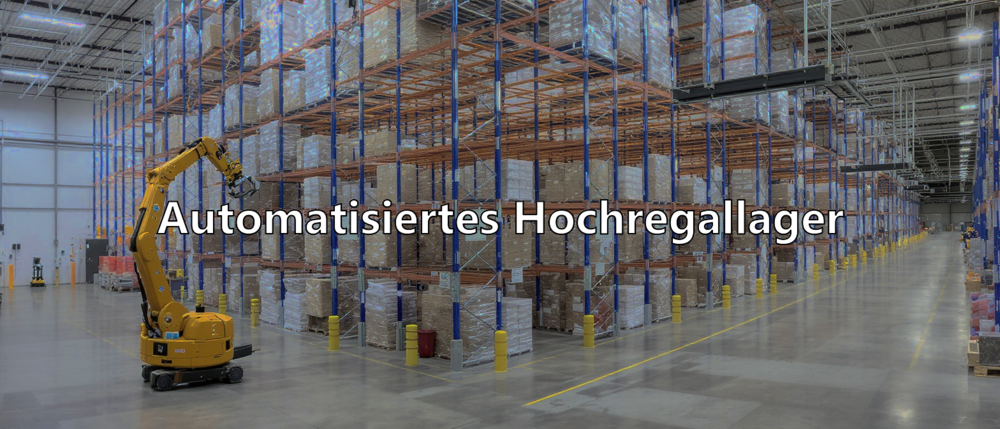
An automated high-bay warehouse (HRL) is revolutionizing modern warehouse logistics through the use of advanced conveyor technology and storage and retrieval machines. In such a highly sophisticated system, pallets and other stored goods are quickly and efficiently moved in and out of storage, enabling optimal use of space. The use of automated systems, such as shuttles in aisle-type warehouses or silo-style stacker cranes, helps increase operational throughput and minimize the error rate.
For software integration, a powerful warehouse management system (WMS) handles the management and control of all warehouse processes. This ensures that logistics centers and distribution centers can digitally optimize their processes, thereby increasing efficiency and inventory availability. The Warehouse Management System coordinates all resources and optimizes the flow of goods across the various storage locations. By precisely controlling the putaway and retrieval processes, it not only minimizes the error rate but also significantly reduces turnaround and delivery times.
Across all sectors—in both manufacturing and retail—automated high-bay warehouses are considered an efficiency-boosting solution for meeting the challenges of modern logistics. They are particularly indispensable in logistics centers, where a wide variety of items is handled quickly and in the smallest of spaces. In addition, these systems offer the major advantage of being able to operate efficiently in harsh environments such as deep-freeze warehouses with temperatures as low as -30°C. Automated logistics not only reduces the amount of manual labor required but also improves workplace safety by minimizing physically demanding tasks.
More about high-bay warehouses
Table of Contents
- Automated High-Bay Warehouse
- SAP EWM
- Stacker Cranes
- RBG
- WMS
- Processes
- Control
- Automated Small Parts Warehouse
- AKL
- Optimal use of space
- Throughput
- Conveyor Technology
- High-bay warehouse automation
- High-Bay Warehouse Robots
- High-bay warehouse software
- Tunnel Storage
- Deep-Freeze Warehouses
- Warehouse Capacity
- Logistics
- Distribution Centers
- FAQ


Automated High-Bay Warehouse
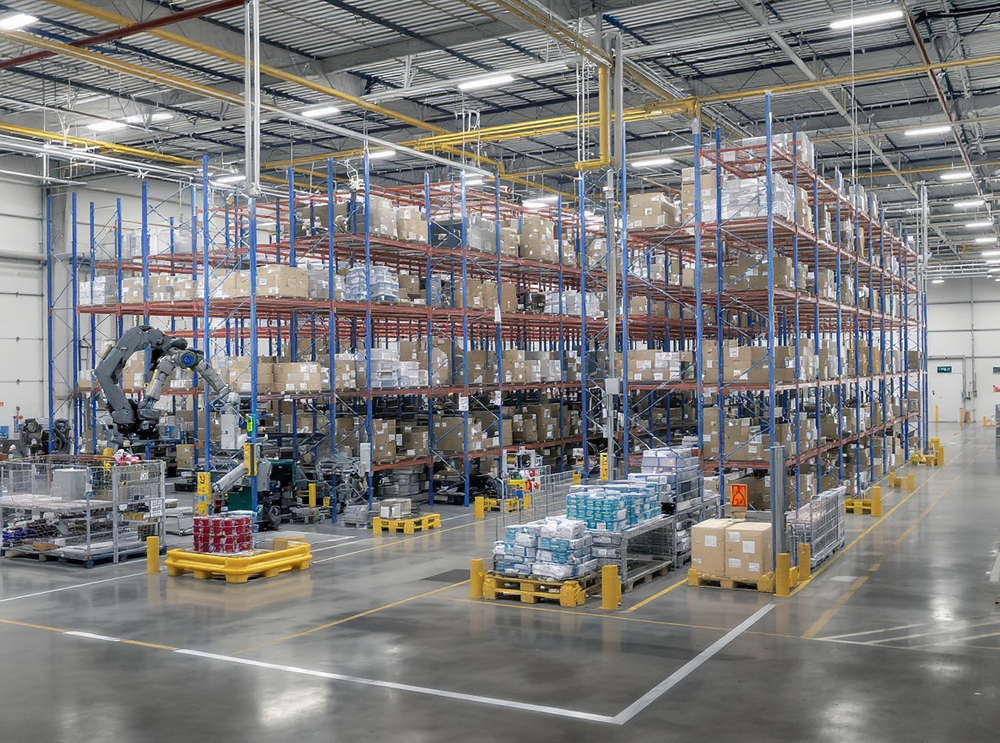
An automated high-bay warehouse (HRL) is an advanced solution for optimizing warehouse processes. These warehouses are typically constructed using a silo design, in which the racks serve as load-bearing elements of the building. The processes of putting goods into and removing them from storage are automated by stacker cranes and conveyor systems, resulting in high efficiency. Another essential component is the warehouse management system (WMS), which controls operations in real time and thus ensures a reduction in errors. These flexible systems are used in various industries, ranging from the food industry to heavy industry.
Modern high-bay warehouses offer several key advantages, including optimized use of floor space, short turnaround times, and a reduced error rate. They enable cost-effective warehousing, as they provide high storage capacity within a relatively small footprint. This makes them particularly well-suited for locations with limited warehouse space. Thanks to the technology’s temperature resistance, they can also be used as frozen-food warehouses, making them ideal for companies in the food logistics sector.
Implementing such systems requires comprehensive planning. Details such as the type of goods being stored and supply chain requirements play a key role in this process. Companies that rely on a modern high-rack warehouse (HRL) benefit from a significant competitive advantage, as the automated processes not only increase efficiency but also improve working conditions for employees by reducing physically demanding tasks.
Advantages and Applications
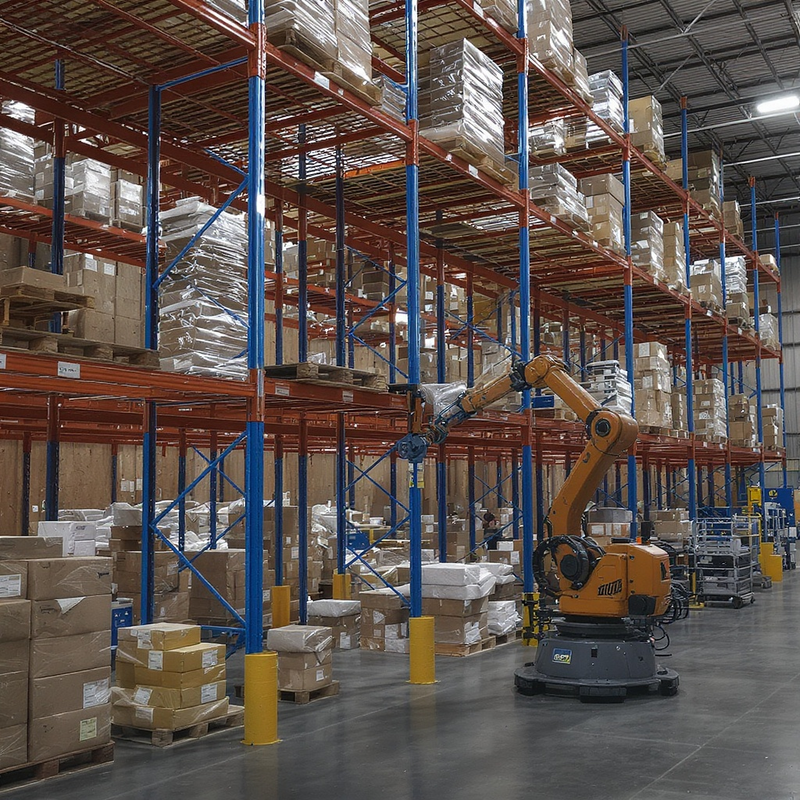
An automated high-bay warehouse offers numerous advantages that make it a popular choice for many companies. Above all, its optimal storage capacity allows companies to use their existing space efficiently and maximize the available area. This is particularly valuable in industries with high storage density or limited floor space. Automated systems ensure a fast and precise flow of goods, resulting in excellent throughput. Errors are minimized because workers are relieved of monotonous and physically demanding tasks. Applications for high-bay warehouses include the food, chemical, and pharmaceutical industries, where the low error rate and high efficiency offer decisive advantages.
Furthermore, a high-bay warehouse can be flexibly adapted to different types of stored goods, including heavy pallets or sensitive materials. With the appropriate storage and retrieval machines and intelligent warehouse management system (WMS) software, such a system can meet virtually any type of warehousing requirement. Channel storage and other specialized systems are also possible to meet individual needs. Overall, automated high-bay warehouses contribute significantly to increasing process efficiency and improving system availability.
Silo Construction as a Load-Bearing Structure

The silo construction method as a load-bearing structure is an innovative design concept that is used in particular in automated high-bay warehouses. In this construction method, the racks are not only used as storage space but also serve as the load-bearing structure for the entire warehouse building. This self-supporting structure optimizes available space and requires no additional construction work for load-bearing elements such as columns or supports. Due to the dual functionality of the racks, storage capacity is significantly increased while construction costs are minimized. Modern rack-servicing devices and conveyor systems, which are optimally integrated into the silo design, ensure a smooth flow of goods and significantly increase the efficiency of warehouse processes. This design is particularly attractive for companies that want to optimize their warehouse processes while simultaneously reducing costs. Software solutions such as warehouse management systems (WMS) play a crucial role in controlling and monitoring operations in such a warehouse. Overall, the silo design represents a significant step toward more efficient and cost-effective warehouse solutions in intralogistics.
What is an automated high-bay warehouse?
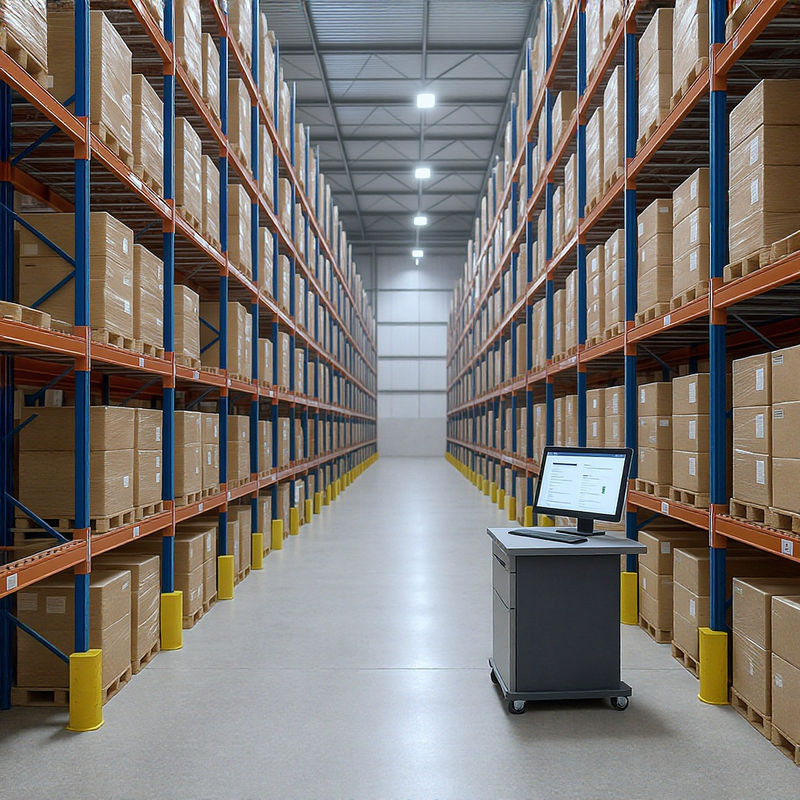
An automated high-bay warehouse (HRL) is a highly sophisticated warehousing solution that increases efficiency and streamlines processes in intralogistics through automation. These systems can be up to 45 meters high and are ideal for optimizing the use of warehouse space. They consist of multiple aisles of steel racking, with pallets stored in the compartments. Rack-servicing robots (RSRs) and modern conveyor systems are used for storage and retrieval, ensuring a rapid flow of goods. A warehouse management system (WMS) controls the operation, monitoring and coordinating the entire process. Depending on the industry, high-density racking systems can be used in the pharmaceutical industry, for e-commerce, or in the food sector to increase throughput and optimize delivery processes. Thanks to their high storage density and automated processes, they are the perfect solution for maximizing productivity, reducing error rates, and relieving employees of monotonous tasks. These systems help companies fully utilize their warehouse capacity and secure competitive advantages.
SAP EWM
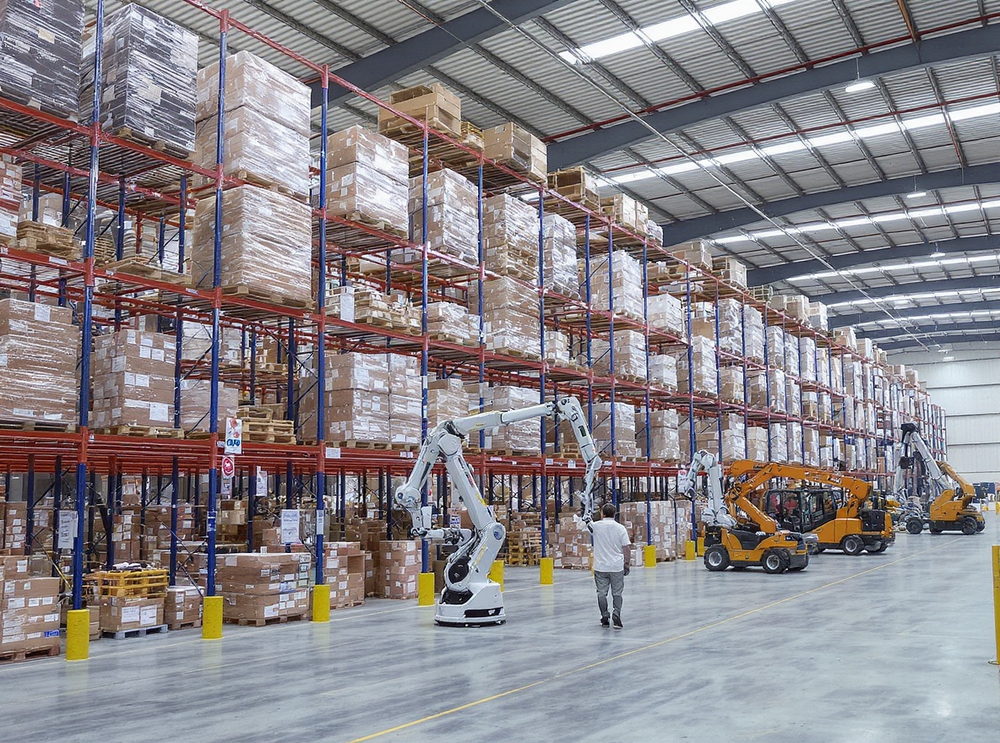
SAP EWM (Extended Warehouse Management) is a state-of-the-art software solution designed specifically to optimize warehouse management processes. It enables companies to make their logistics operations more efficient through comprehensive control and automation. When combined with an automated high-bay warehouse, SAP EWM forms the backbone of digital warehouse solutions by ensuring the seamless integration of storage and retrieval machines and conveyor systems. SAP EWM’s intelligent functions precisely control and monitor material flow within the warehouse, leading to a significant reduction in error rates and throughput times. These benefits are particularly crucial in industries with high demands on warehouse dynamics and efficiency. A WMS (Warehouse Management System) is also an integral part of warehouse management, serving as an interface between the physical components of the warehouse and the ERP system environment. In practice, this means that SAP EWM, as an advanced WMS, can be seamlessly integrated into ERP systems, enabling centralized management and real-time monitoring. This integration of digital systems achieves sustainable optimization of overall supply chain performance. With SAP EWM, companies rely not only on high process reliability but also on technology that meets the demands of an ever-changing intralogistics environment. This level of automation and efficiency ensures that modern high-bay warehouses can deliver the best possible use of space and maximum process results. Companies across a wide range of industries benefit from the flexibility and effectiveness of this software solution by fully utilizing their warehouse capacity while simultaneously increasing on-time delivery rates and customer satisfaction.
Integration with WMS and LVS
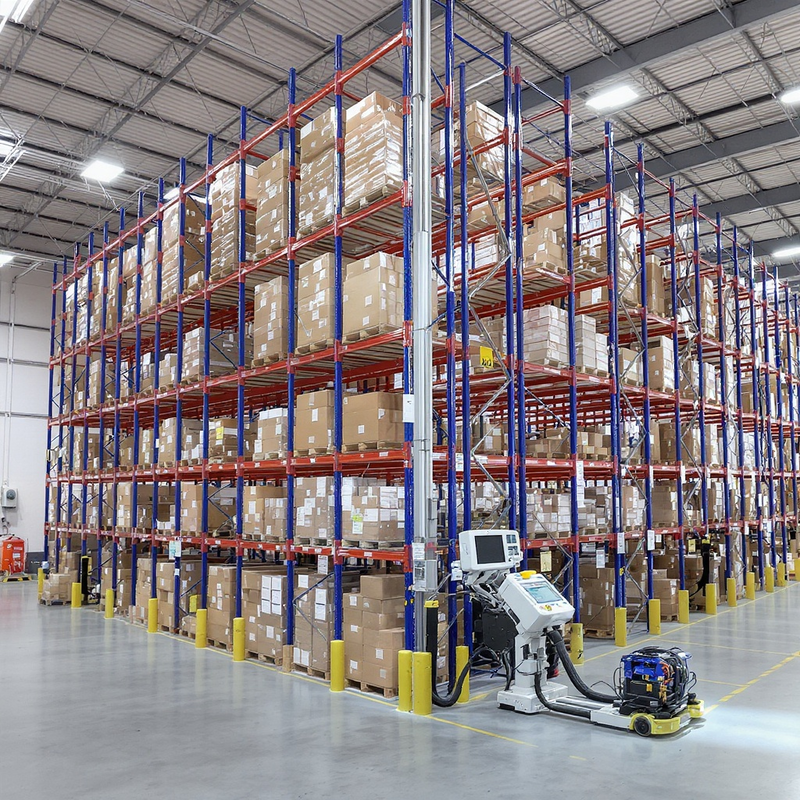
The integration of automated high-bay warehouses into warehouse management systems (WMS) and inventory management systems (IMS) is essential for optimizing logistics processes. Modern automated warehouses use technologies such as SAP EWM (Extended Warehouse Management), which ensures seamless communication between physical warehouse processes and the digital management level. These systems coordinate material flow control and precisely control storage and retrieval machines to make warehousing more efficient and error-free. The integration of high-bay warehouses with WMS enables dynamic adaptation to changing warehouse requirements, such as inventory management and order fulfillment. Furthermore, the interface between WMS and LVS improves data quality, leading to increased transparency and traceability. Such integrated systems offer significant advantages, particularly in industries with high demands for speed and precision in warehouse operations. The synergy between technology and software results in significantly increased efficiency and cost reductions in intralogistics.
SAP EWM in Practice
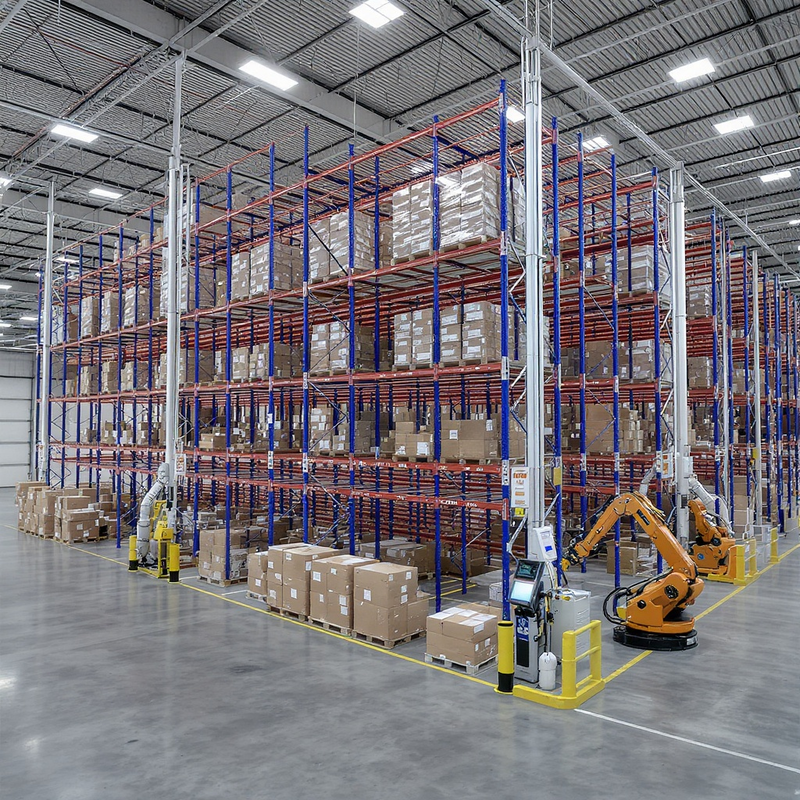
In practice, SAP EWM (Extended Warehouse Management) plays a crucial role in optimizing warehouse processes, especially in automated high-bay warehouses (HRL). Seamless integration with warehouse management systems enables efficient control and monitoring of goods flows. This includes managing the conveyor systems and storage and retrieval machines responsible for putting goods into and removing them from racks up to 45 meters high. SAP EWM ensures real-time transparency and precise logistics planning, which is particularly crucial in industries with high throughput and fluctuating demands. Industry examples show that the use of SAP EWM can minimize error rates and shorten turnaround times, which ultimately strengthens companies’ competitiveness. The combination of advanced software and state-of-the-art warehouse technology makes SAP EWM an indispensable tool in modern intralogistics.
Rack-Feeding Machines
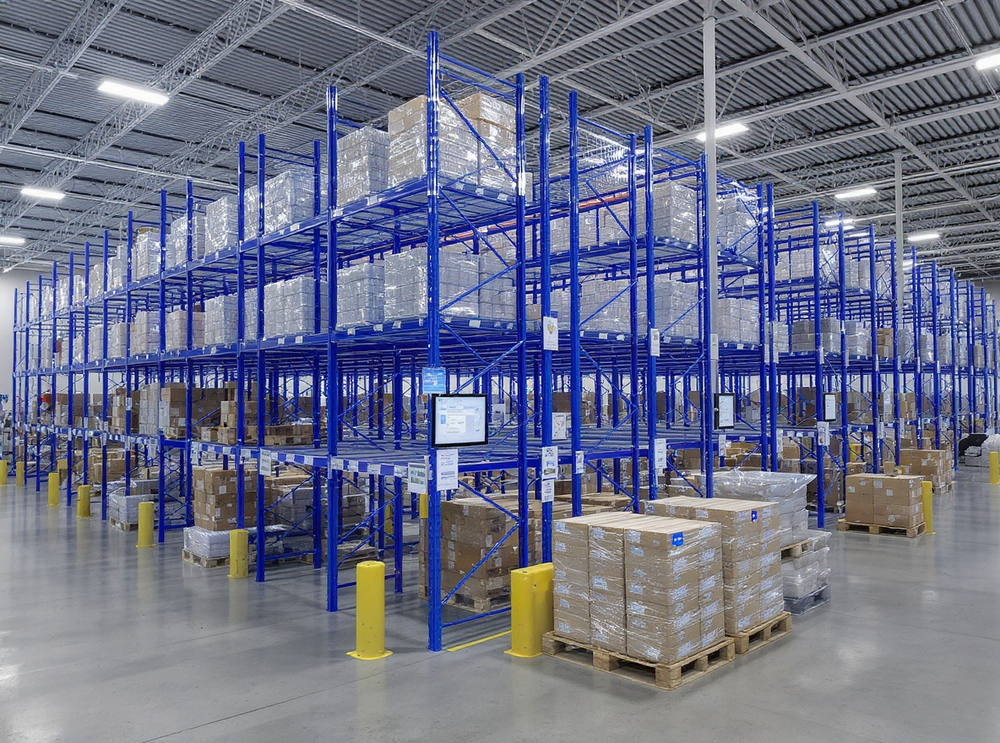
In an automated high-bay warehouse, stacker cranes play a crucial role in maximizing the efficiency of warehouse processes. These machines are responsible for storing and retrieving goods in the high-bay aisles, thereby enabling optimal use of the available space. A stacker crane can transport multiple pallets in a single pass and impresses with its precision and speed. In this way, they contribute to a significant reduction in throughput times and increase the availability of stored products.
The technology behind a stacker crane is highly complex: typically moving on rails or within a shaft system, they operate autonomously and are often capable of storing pallets at various depths. Specialized shuttle systems are used particularly in channel warehouses, ensuring high storage density. These devices are controlled by advanced software such as warehouse management systems (WMS). These systems not only organize storage locations but also control the movement of the stacker cranes to maximize the efficiency of warehouse operations.
Automated storage and retrieval systems are essential in various industries, particularly where high-bay warehouses are operated to meet specific needs and logistics flows. Whether in the food industry, e-commerce, or manufacturing—these systems make a decisive contribution to process optimization and cost efficiency. By integrating such technologies, companies gain not only speed and flexibility but also a competitive edge in an increasingly dynamic market.
Technical Features and Benefits
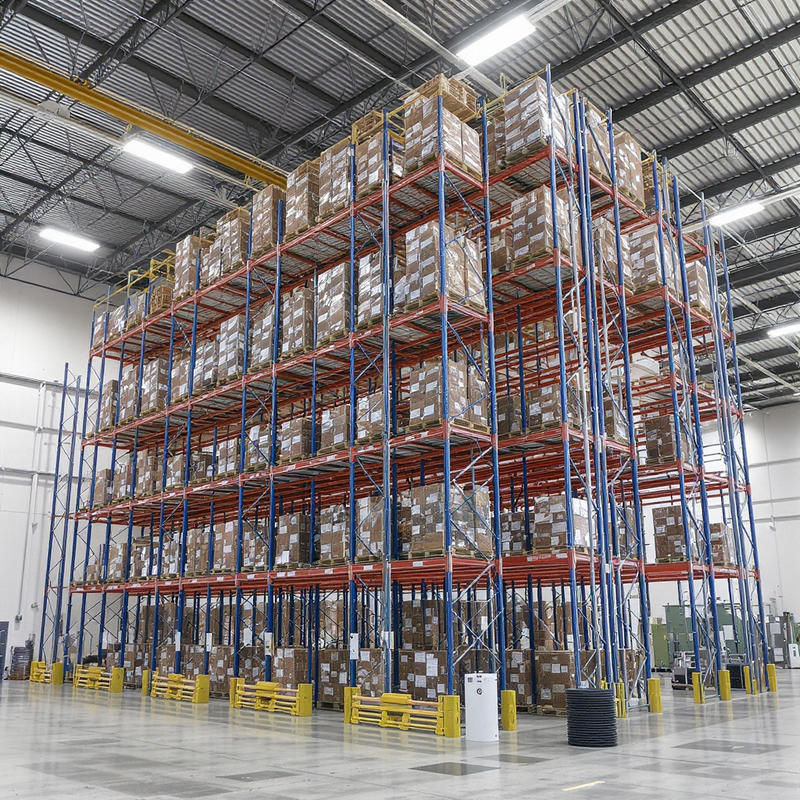
In an automated high-bay warehouse , stacker cranes play a key role in the efficient management of goods. These state-of-the-art machines move through the aisles and are capable of autonomously storing and retrieving pallets, mesh containers, and other load units. A standout technical feature is the RBGs’ ability to operate at heights of up to 45 meters, enabling optimal use of the available vertical storage space. Integrating these systems with a warehouse management system (WMS) not only maximizes the speed and accuracy of goods flows but also significantly minimizes the error rate. Structural limitations are eliminated, as RBGs can be flexibly deployed in self-supporting silo storage structures. Across all industries, companies benefit from the logistical advantages—such as shorter turnaround times and increased equipment availability—achieved through these automated systems. This significantly reduces the physical strain on employees and contributes to improved workplace safety. Overall, RBGs play a crucial role in making warehousing dynamic and future-proof.
What are rack-feeding machines?

Automated storage and retrieval machines (AS/Rs) are central components in automated high-bay warehouses, designed to efficiently organize the flow of goods. These high-tech machines move along rails between the aisles and transport pallets or containers between storage locations and conveyor systems. Their use optimizes warehouse utilization, minimizes error rates, and speeds up processes. RBGs such as the GEBHARDT Cheetah® heavy impress with their high process efficiency and system availability. They are often integral components of a fully digitized warehouse logistics system that is centrally controlled via a Warehouse Management System (WMS). In addition to their high performance and flexibility, they enhance safety in material handling and relieve staff of physically demanding tasks. Rack feeders are therefore essential for modern intralogistics solutions and significantly improve capacity utilization and flexibility in logistics centers across various industries.
RBG
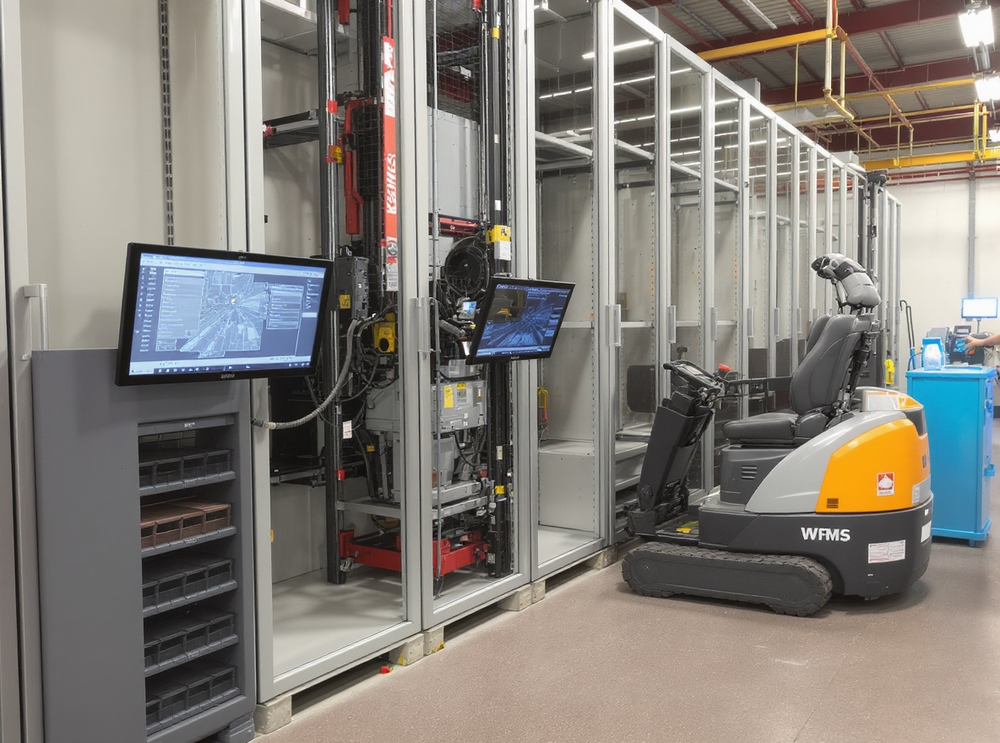
The stacker crane is a central component in an automated high-bay warehouse, responsible for the efficient transport and storage of pallets and other load carriers. Equipped with precise conveyor technology, the RBG moves automatically along the rack aisles and ensures fast and error-free warehouse management. It is designed to operate in both built-in warehouses and freestanding silo warehouses, making it highly versatile. The integration of modern software solutions such as warehouse management systems (WMS) enables seamless control and monitoring of all warehouse operations. Examples from the industry show that the use of RBGs not only significantly increases process efficiency but also reduces the error rate. As a result, industries such as the food and logistics sectors benefit from automated high-bay warehouses, in which the RBG plays a key role. This automation not only leads to increased productivity but also offers the possibility of storing more goods in the limited available warehouse space, which is particularly advantageous in the face of rising market demands. Investing in technologies such as the GEBHARDT Cheetah® heavy-duty stacker crane demonstrates that companies are committed to maximum process efficiency and system availability. The continuous development of these systems also ensures adaptability to changing market needs, making stacker cranes an indispensable component of modern intralogistics.
Best Practices
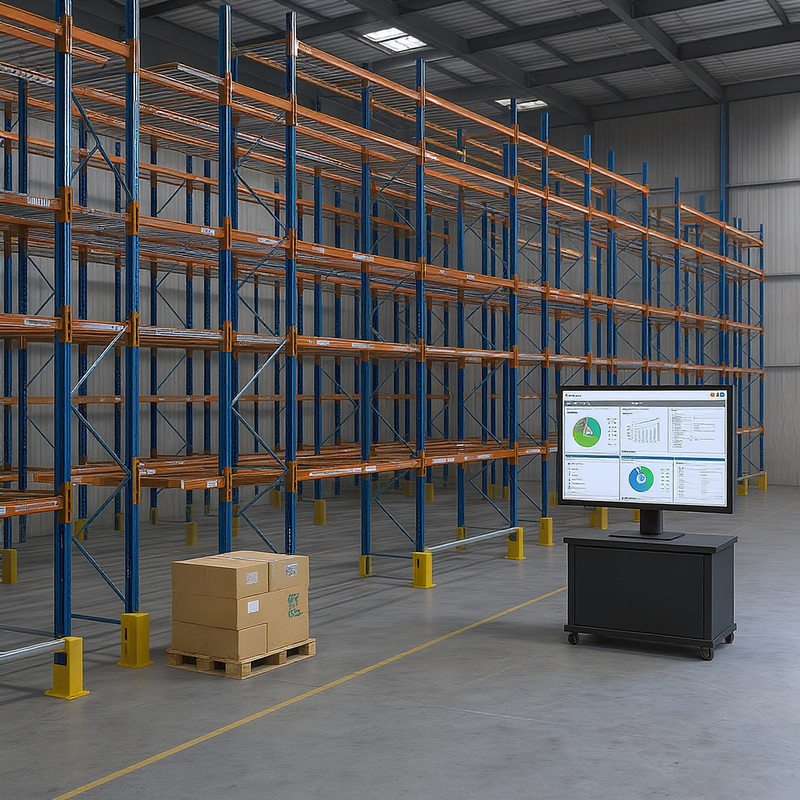
To successfully implement an automated high-bay warehouse, it is crucial to follow best practices to ensure efficiency and reliability. One of the most important principles is the integration of an advanced warehouse management system (WMS) that handles the organization and control of all warehouse processes. A significant advantage of automated systems is the use of stacker cranes, which can precisely and quickly store or retrieve pallets. These technologies help minimize throughput times and maximize the availability of goods. Another key aspect is the use of conveyor systems, which enable a seamless connection between different logistics areas. The use of modern software solutions to control and monitor operations ensures that energy consumption is optimized and the error rate is minimized. Finally, employee training contributes to the efficient use and maintenance of the system, thereby increasing equipment availability. These practices benefit various industries, such as the food and pharmaceutical sectors, as they allow for rapid adaptation to market demands and strengthen competitiveness.
Types and Characteristics

Automated high-bay warehouses are essential components of modern logistics systems, particularly in industries with high turnover rates and diverse requirements. There are various types of automated high-bay warehouses, each tailored to different types of stored goods and operational requirements. These include pallet warehouses, where stacker cranes efficiently load and unload pallets, as well as shuttle systems for rapid transport within the warehouse units. A key feature of these warehouse systems is their ability to make optimal use of vertical space, which enables efficient use of floor area and thus reduces operating costs. Modular warehouse systems facilitate adaptation to specific industry requirements, whether in deep-freeze environments or for temperature-sensitive goods. Automated warehouse software, such as a warehouse management system (WMS), plays a central role in ensuring seamless coordination between the various warehouse processes. Integrating automated storage and retrieval systems (AS/RS ) with this software enables companies to increase efficiency, reduce errors, and ultimately maximize the availability of goods. These technological advancements offer significant advantages in terms of competitiveness and process optimization.
Meaning of RBG
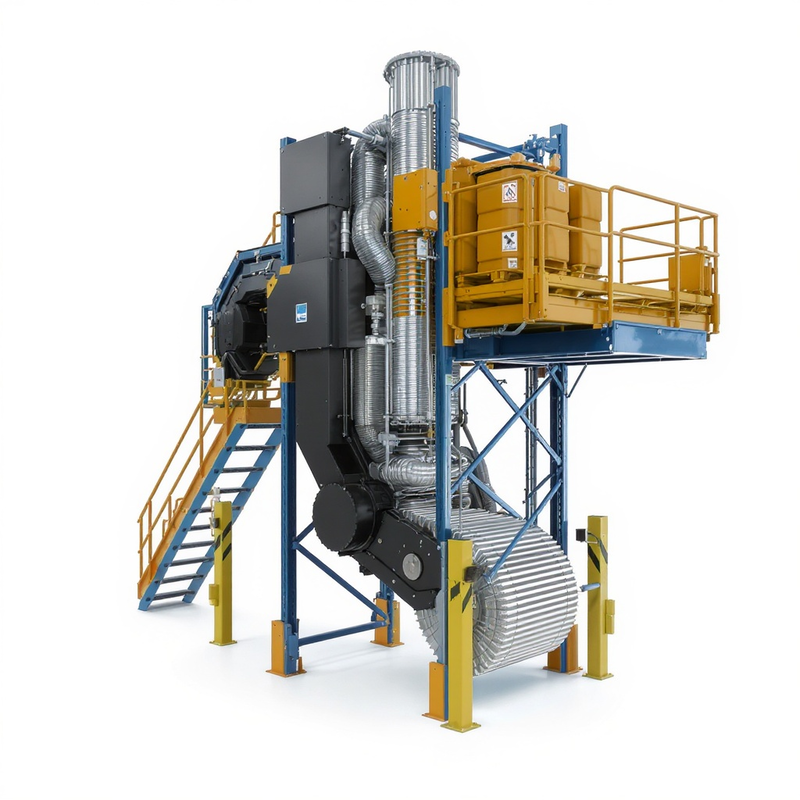
In modern high-bay warehouses, automated storage and retrieval systems (AS/RS) play a central role in ensuring efficient intralogistics processes. These automated systems move along the aisles and enable the precise storage and retrieval of goods, often supported by conveyor technology. A key advantage of Rigs is their ability to seamlessly control the flow of goods within the warehouse using modern software, such as warehouse management systems (WMS). This automation is crucial for minimizing errors and optimizing warehouse capacity, which in turn leads to faster delivery times. Due to their versatility and precision, RBGs are an indispensable element of warehousing in various industries, from the food industry to electronics. Rack-based warehouses that rely on RBGs can also make optimal use of storage space and provide a cost-effective, scalable solution for growing warehouse requirements. Thus, the integration of RBGs not only significantly reduces lead times but also increases end-customer satisfaction through timely deliveries.
WMS
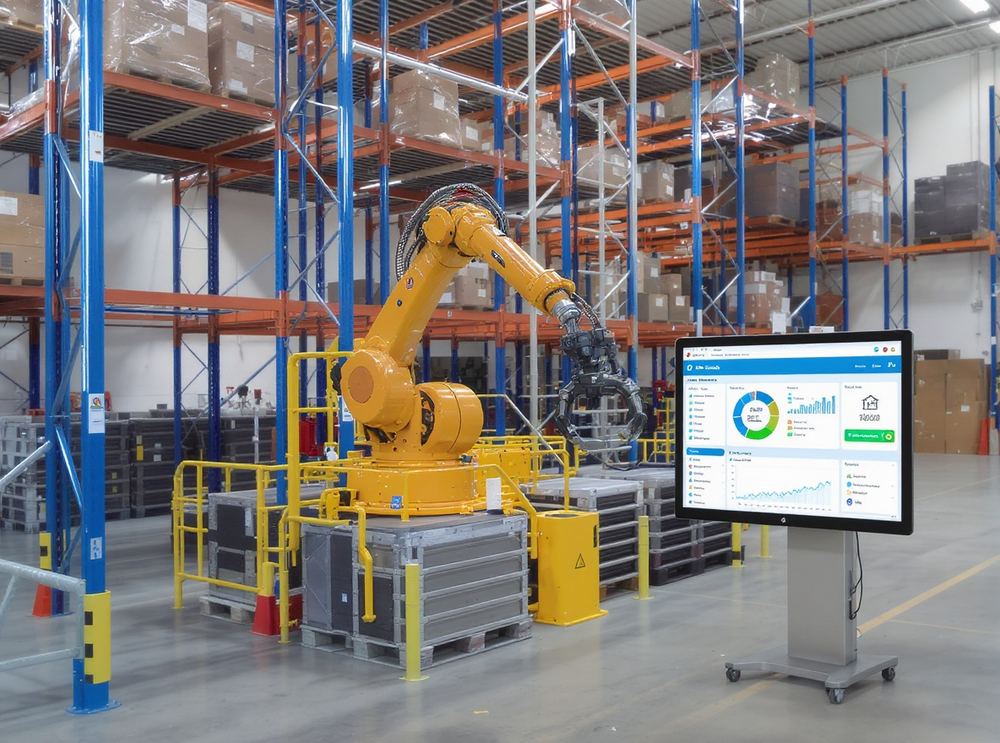
A Warehouse Management System (WMS) is an essential software solution for managing and optimizing warehouse processes in an automated high-bay warehouse. It is responsible for organizing, monitoring, and controlling all operational processes and enables significant improvements in warehouse efficiency. In a modern automated warehouse, the WMS interacts closely with other technical components, such as stacker cranes and conveyor systems, to ensure seamless coordination of putaway and retrieval processes. These systems help minimize error rates and reduce energy consumption by optimally allocating resources. The flexibility of these systems enables companies to respond more quickly to customer requests and market changes. The WMS not only monitors current inventory levels and facilitates inventory counts but also contributes to process efficiency through the integration of forecasting and order management. This results in improved delivery capabilities while simultaneously increasing warehouse capacity, which is particularly advantageous in space-constrained environments. A good WMS is capable of adapting to a company’s specific needs and workflows, making it the backbone of successful intralogistics. Thanks to interfaces with ERP and other management systems, a WMS supports the entire value chain by improving transparency and the flow of information—a significant advantage in today’s highly competitive markets.
Examples
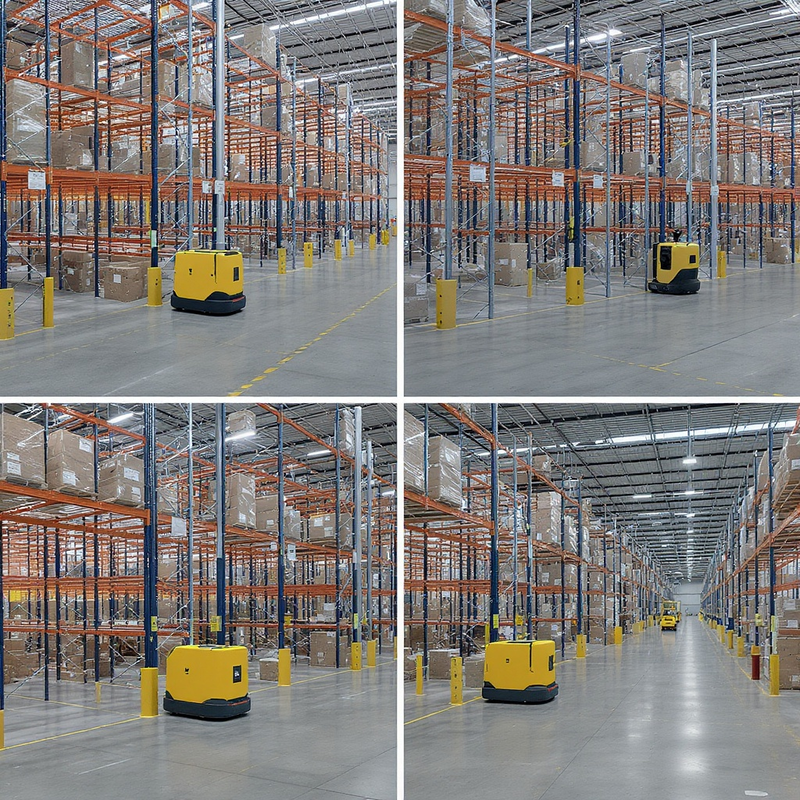
An automated high-bay warehouse (HRL) offers numerous practical applications across various industries and significantly optimizes logistics planning. An outstanding example is EDEKA’s logistics center in Landsberg, implemented by the WITRON Group. This facility is characterized by its enormous storage capacity and uses a highly advanced WMS that efficiently controls all internal logistics processes. Koehler SE also operates an automated logistics center that stands out for its flexibility and high-performance storage and retrieval machines. In the field of frozen food storage, the AMERICOLD project stands out, having increased efficiency by 25 percent following modernization. Particularly in the automotive industry, the automated high-bay warehouse at Erdrich offers significant advantages by creating maximum storage capacity in a limited space and ensuring flexible supply to production machinery. These examples demonstrate that an automated high-bay warehouse not only optimizes space utilization but also increases process speed and precision, enabling companies to gain decisive competitive advantages in logistics planning.
WMS in the HRL Environment
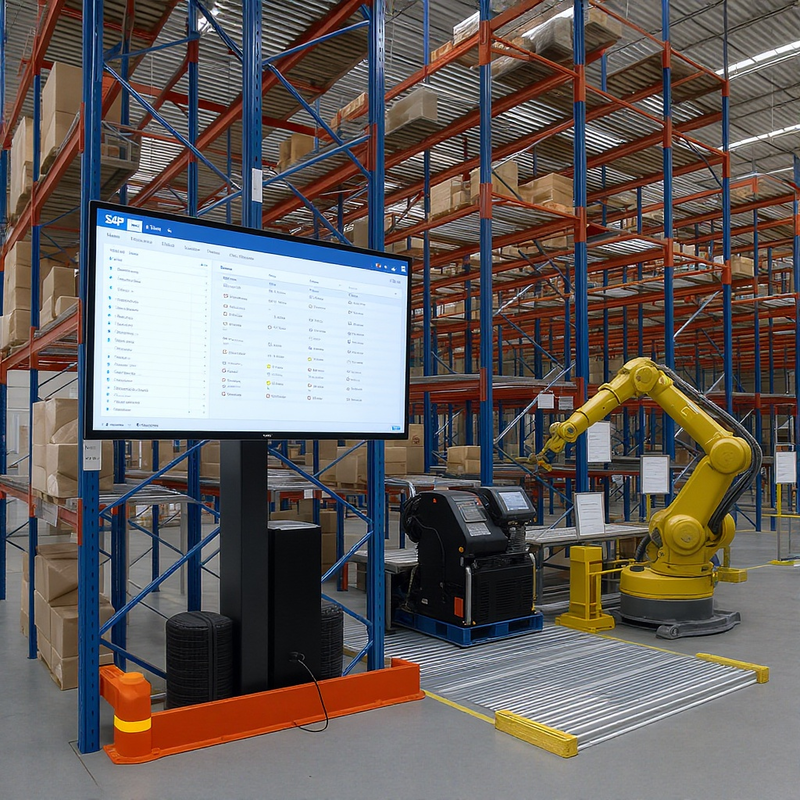
A Warehouse Management System (WMS) plays a crucial role in optimizing processes in an automated high-bay warehouse (HRL). It coordinates the control and monitoring of all warehouse activities—from putaway to order picking to picking—thereby enabling precise inventory management. The WMS integrates seamlessly with SAP EWM (Extended Warehouse Management), which was developed specifically to meet the requirements of modern warehouses. Together, they ensure that processes run efficiently and that the availability of goods is maximized. In the context of high-bay warehouses, the WMS controls complementary systems such as stacker cranes and conveyor systems, thereby achieving the highest level of automation. An effective WMS not only minimizes the error rate but also improves process transparency, leading to better decision-making and significant time and cost savings. This powerful software solution provides companies with a strategic advantage that helps them compete in a dynamic market environment by significantly increasing supply chain flexibility and efficiency.
What is WMS?
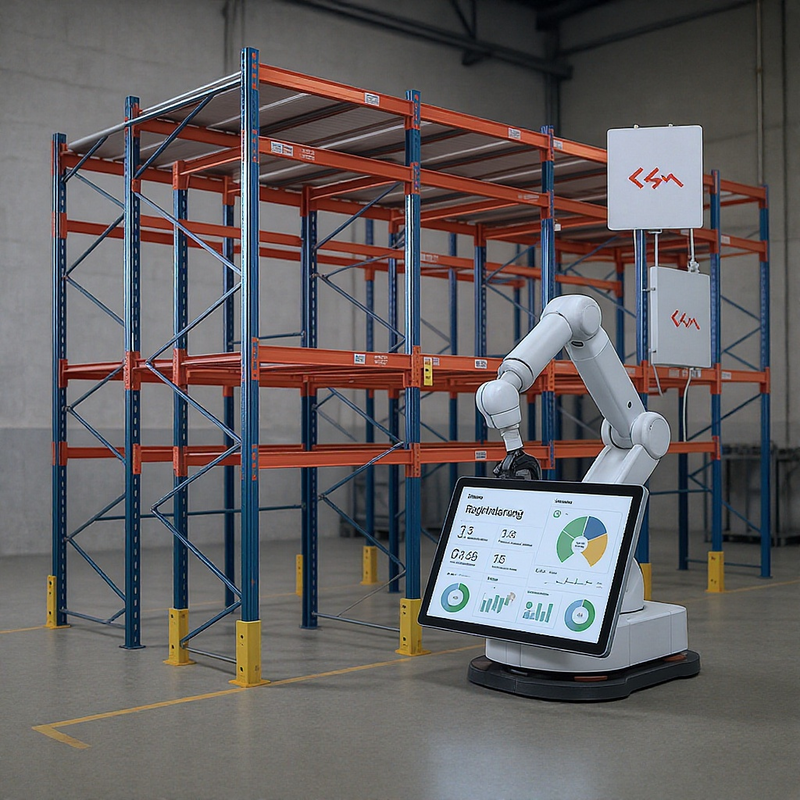
A Warehouse Management System (WMS) is a specialized software solution for organizing, monitoring, and controlling all processes within a warehouse. The main tasks of a WMS include managing inventory, optimizing storage space allocation, and controlling putaway and retrieval processes. Through precise inventory management and the automation of many manual tasks, a WMS significantly increases process efficiency and reduces the error rate. Modern WMS systems integrate seamlessly with existing ERP systems, enabling seamless data transfer and process tracking. Thanks to this integration, companies can effectively manage their entire supply chain and improve their ability to respond to market changes. By monitoring and optimizing all key warehouse processes, the WMS plays a significant role in enhancing a company’s competitiveness. Ultimately, a WMS plays a key role in enabling efficient and effective warehouse and logistics processes.
Processes
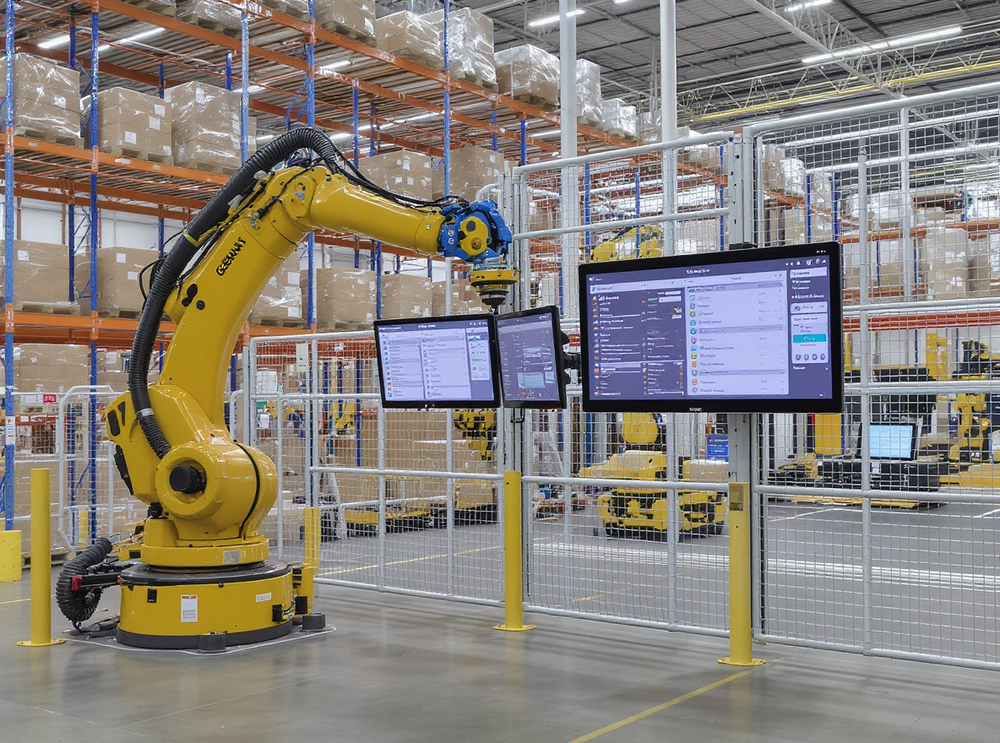
The automated high-bay warehouse is revolutionizing the way goods are moved and stored in modern logistics. Precise processes based on state-of-the-art software technology ensure the smooth flow of goods into and out of storage. In particular, storage and retrieval machines such as the GEBHARDT Cheetah® heavy enable the efficient and reliable handling of heavy loads, including pallets and mesh containers. These processes are supported by high-performance conveyor technology that optimizes material flow and minimizes bottlenecks. Through the integration of a warehouse management system (WMS), the entire intralogistics process is digitally controlled and monitored, which not only speeds up order fulfillment but also significantly reduces the error rate. Across various industries—particularly in the food retail sector, the automotive industry, and e-commerce logistics centers—the implementation of such systems impressively demonstrates how efficient warehouse processes can be. Thanks to the flexibility and high degree of automation of these warehouse solutions, companies can save considerable space and costs while improving their responsiveness and delivery accuracy. These optimizations are particularly relevant for meeting the demands of short order cycles and just-in-time deliveries, which represent a decisive competitive advantage. Employees also benefit from an ergonomic work environment, as they are relieved of repetitive and physically demanding tasks. Overall, automated high-bay warehouses are transforming logistics toward maximum efficiency and innovation.
Distribution Centers
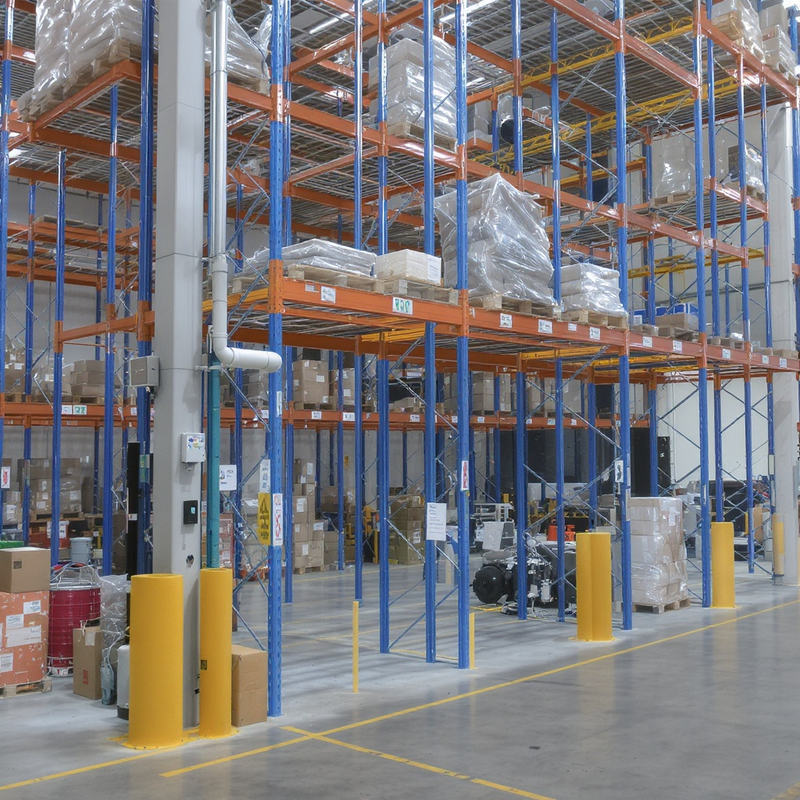
A distribution center plays a vital role in modern logistics by ensuring that goods are efficiently transported from a manufacturer to an end user. These centers coordinate the storage and shipment of products and enable rapid turnover to meet the demands of today’s markets. A key feature of a distribution center is the integration of modern conveyor systems and stacker cranes, which increase the level of automation and minimize human error. In addition, the use of a warehouse management system (WMS) is crucial for monitoring and controlling warehouse processes to ensure operational efficiency. Such centers are indispensable in numerous industries, including retail, the automotive industry, and manufacturing, as they shorten lead times and improve product availability. With the growing importance of just-in-time deliveries and e-commerce, distribution centers with automated high-bay warehouses are playing an increasingly vital role. This not only increases process efficiency but also offers a sustainable way to meet the growing demands of globally connected markets.
Error Rates and Throughput
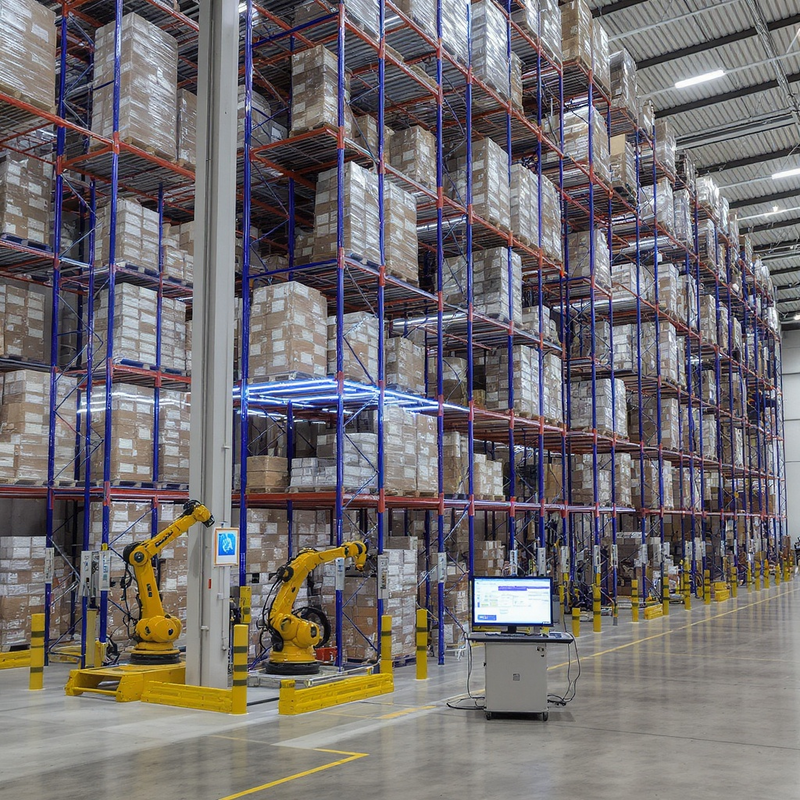
In an automated high-bay warehouse, the error rate plays a crucial role in the productivity and throughput of the entire facility. Thanks to precise and reliable technology, errors in warehouse processes can be reduced to a minimum. Automated systems rely on state-of-the-art software solutions, such as warehouse management systems (WMS), which maximize process efficiency and optimize system availability. The use of stacker cranes and other material-handling technologies accelerates the flow of goods, significantly increasing throughput. These optimized systems make it possible to manage a high density of storage locations in a small space, which in turn increases productivity. The integration of smart sensors and algorithms ensures that the error rate during operation is significantly reduced, thereby minimizing the effort required for corrections. In many industries, it has been shown that investing in an automated high-bay warehouse not only reduces the error rate but also noticeably increases throughput, which represents a significant competitive advantage.
Core Processes at HRL
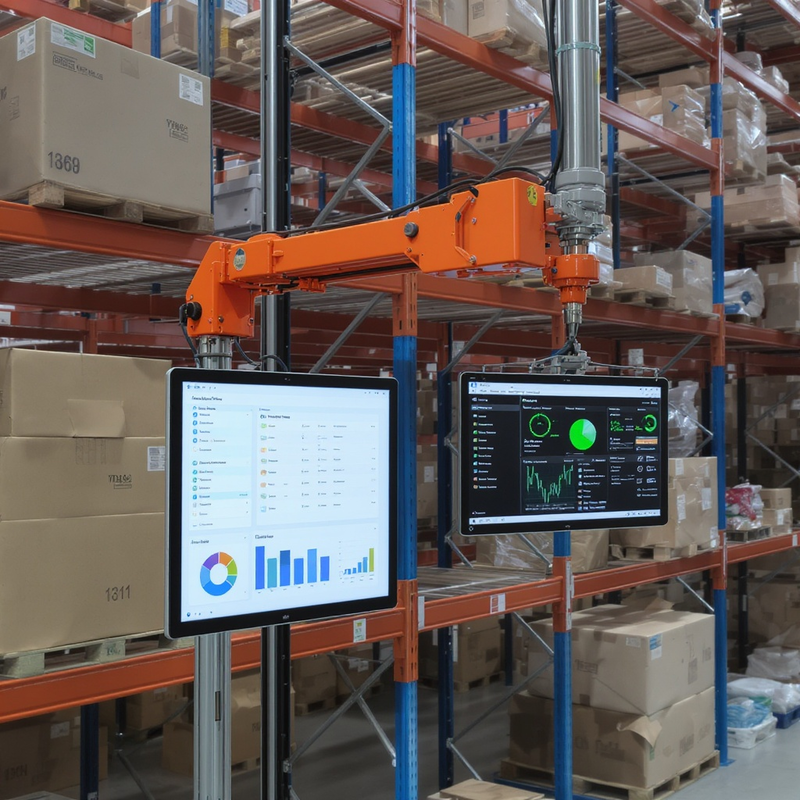
The automated high-bay warehouse (HRL) is an integral part of modern intralogistics systems. The fundamental core processes include putaway, retrieval, and stock transfer, with rack servicing devices and conveyor systems serving as the primary equipment for transporting goods. These automated systems enable precise, seamless movement of goods, which significantly increases process efficiency. Through the use of warehouse management systems (WMS), all workflows are optimally coordinated and monitored, thereby significantly reducing the error rate. The ability to meet short delivery times and the availability of high storage capacities make the HRL a preferred solution in industries such as the chemical and food sectors. These technologies not only ensure space-saving storage but also relieve employees of physically demanding tasks, which contributes to improved working conditions in the long term. Overall, an automated high-bay warehouse offers flexible and secure logistics processes that meet the requirements of modern goods distribution systems.
Control
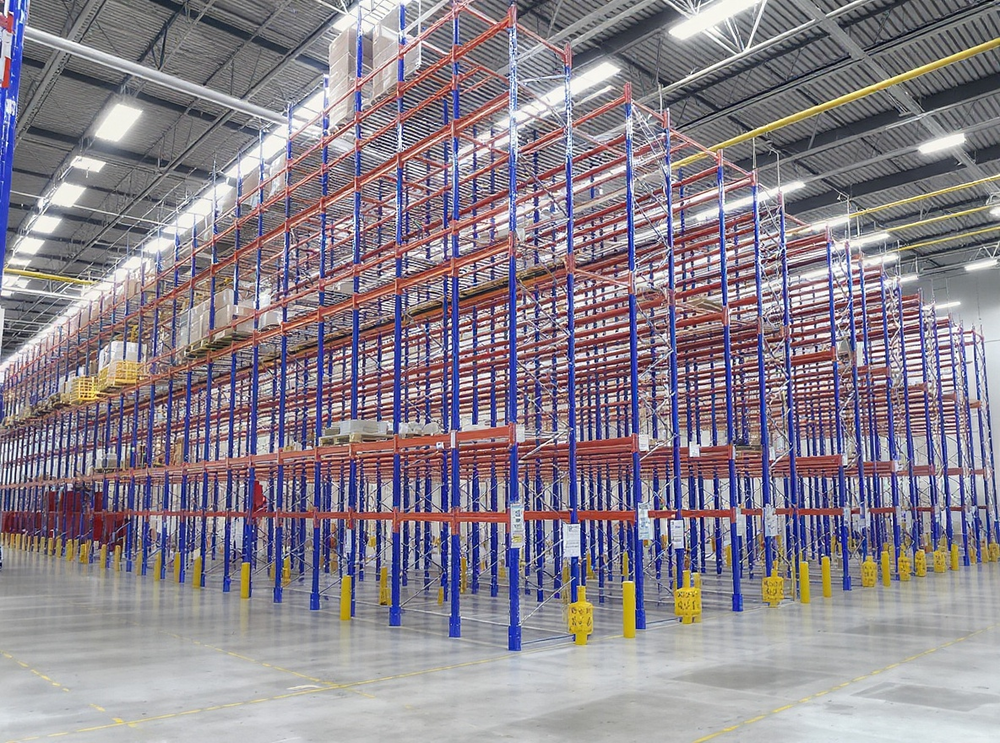
In an automated high-bay warehouse, the control system plays a central role. The PLC (programmable logic controller) is the heart of the automation system, ensuring process efficiency and system availability. These electronic control systems make it possible to precisely coordinate all movements of the stacker cranes, shuttles, and other material-handling equipment. The use of PLC systems minimizes errors and optimizes material flow.
A key advantage of PLCs is their ability to process complex tasks in real time, enabling immediate adaptation to changing conditions in the warehouse environment. In combination with a Warehouse Management System (WMS), the PLC monitors and controls all warehouse movements and helps utilize resources more efficiently. This leads to improved productivity and faster throughput.
Another essential component of the control system is the material flow system (MFS), which supports and extends the functions of the PLC. The MFS acts as a central intelligence hub that coordinates the transport and storage of goods. For example, it can use specific algorithms to calculate the optimal route for goods movements, thereby saving time and energy.
Implementing these control systems gives companies the flexibility to respond quickly to market demands such as shorter delivery times or smaller batch sizes. Companies across various industries benefit from precise control technology that increases not only efficiency but also safety in warehouse operations. In today’s dynamic business world, the efficiency gains achieved through automated control techniques represent a decisive competitive advantage.
Safety Considerations
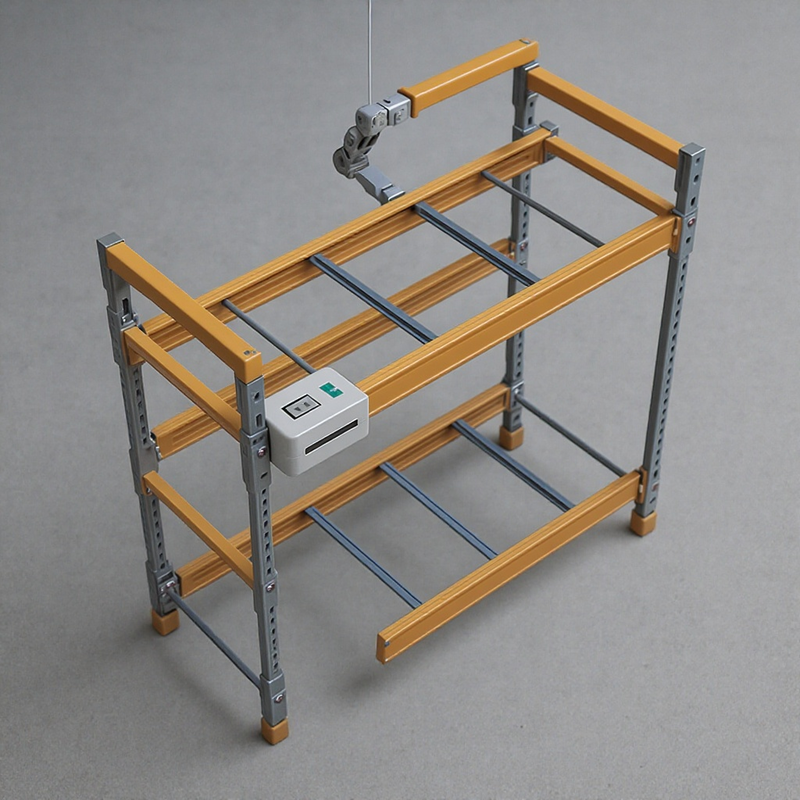
In an automated high-bay warehouse, safety plays a central role in providing the best possible protection for both employees and goods. Modern systems use advanced sensors and control technologies to prevent accidents and ensure smooth operation. Fire prevention is a key safety consideration; therefore, automatic fire detection and suppression systems are essential. In addition, safety fences and barriers are used to control access to critical areas of the facility. To enhance process safety, many companies rely on warehouse management systems that monitor operations in real time and can intervene immediately in the event of deviations. Regular maintenance and system checks are also crucial to ensuring that safety measures remain fully functional. In logistics, the reliability of security measures is crucial for ensuring a continuous flow of goods and product availability. Combined with a trained workforce, this creates an environment that meets the highest safety standards and ensures efficient and safe operations.
Interfaces & IT
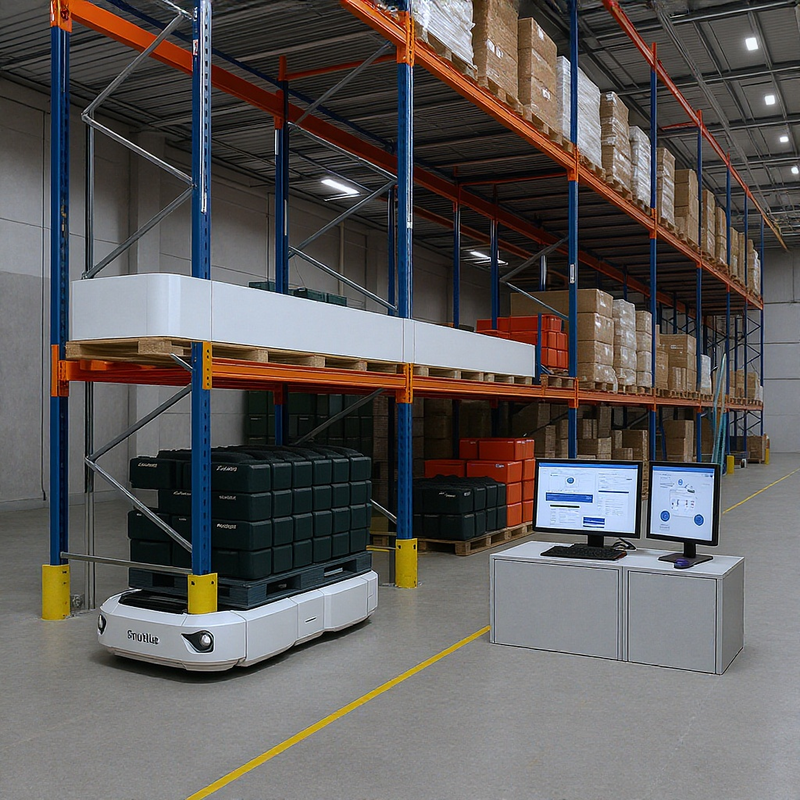
In today's logistics planning, interfaces and IT solutions play a crucial role in the integration and use of automated high-bay warehouses. The proper implementation of warehouse management systems (WMS) and material flow control systems not only enables the efficient management of warehouse processes but also optimizes the entire logistics process within a logistics center. Thanks to modern IT infrastructures, interfaces can be seamlessly connected between different systems, ensuring smooth communication and data processing. This enables real-time monitoring of all warehouse movements, which in turn improves decision-making and optimizes the supply chain. A good IT system must enable both integration with existing ERP systems and the use of standard interfaces to shorten implementation times and quickly recoup the investment. In logistics planning, such integrated IT solutions are essential for remaining competitive and increasing efficiency in the logistics center. After all, well-integrated systems not only lead to cost savings but also provide greater flexibility and responsiveness to dynamic market demands.
PLC Control & MFS
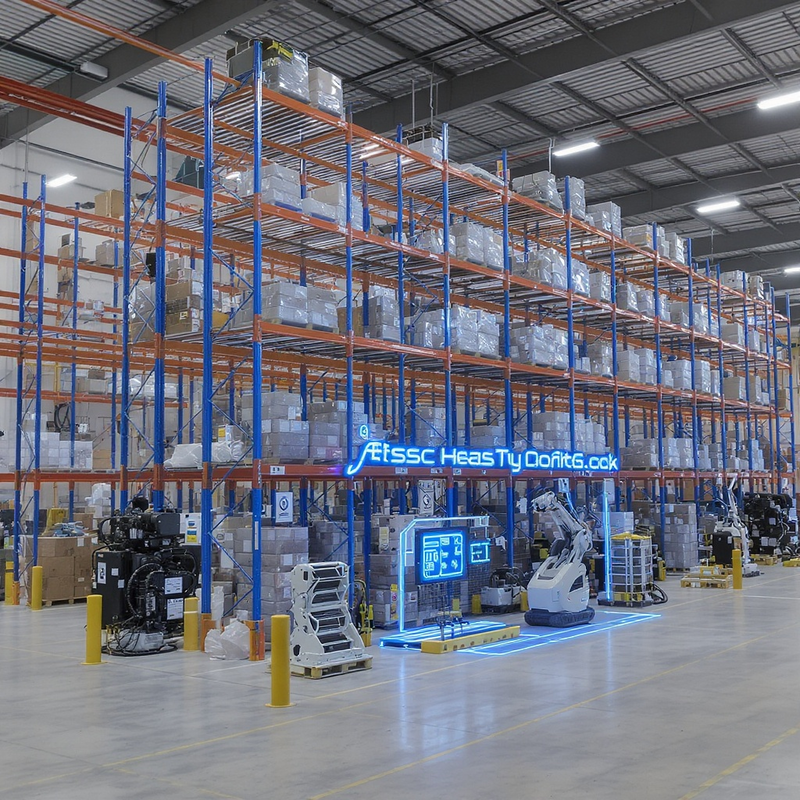
An automated high-bay warehouse requires precise control technology, in which the PLC (programmable logic controller) plays a central role. The PLC makes it possible to efficiently control and monitor complex processes such as the storage and retrieval of goods. It is capable of responding precisely to changes in the environment using sensors and actuators. In addition, the material flow system (MFS) ensures optimal integration and synchronization of all components in the warehouse. The MFS coordinates the movements of rack servicing devices and conveyor systems to ensure a smooth flow of materials. Embedded within this infrastructure is the Warehouse Management System (WMS), which monitors and controls all warehouse processes. This combination of PLC, MFS, and WMS enables modern warehouses to achieve high efficiency and process effectiveness, which is crucial for meeting the demanding requirements of today’s logistics industry. Industry examples from the food, pharmaceutical, and automotive sectors demonstrate how automated high-bay warehouses can make optimal use of warehouse space and minimize error rates.
Automated Small Parts Warehouse
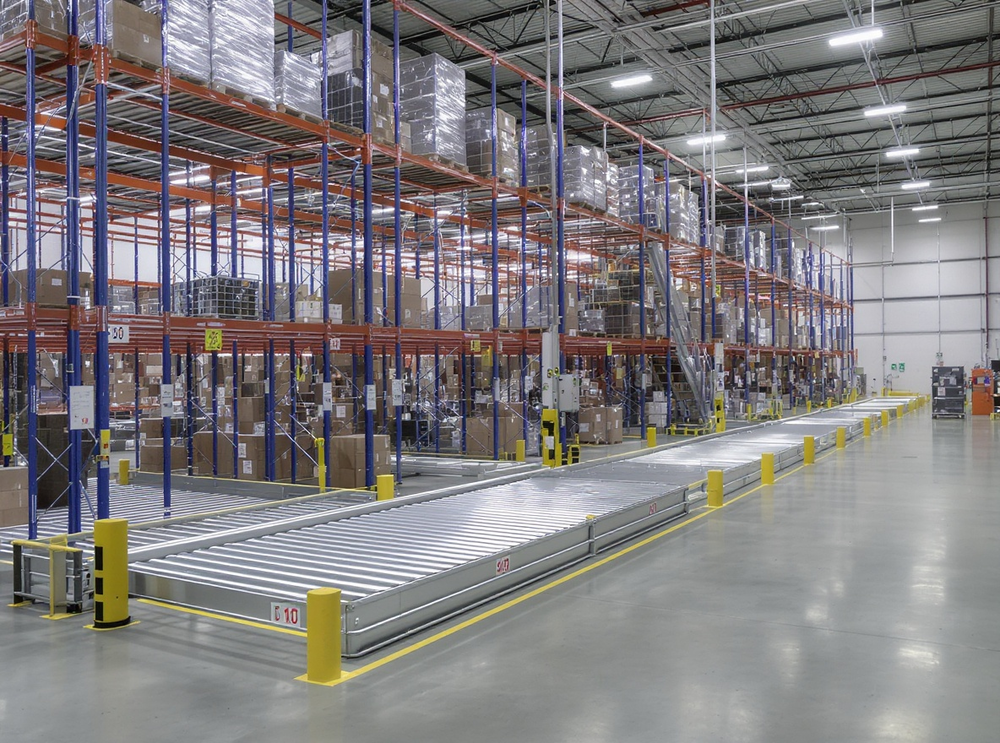
An automated small-parts warehouse (AKL) is a state-of-the-art warehousing solution designed specifically for the efficient storage and handling of small items. The operation of such a warehouse is based on the integration of advanced conveyor technology and storage and retrieval machines, which ensure efficient and precise storage and retrieval of goods. A key component of an AKL is specialized software, particularly the warehouse management system (WMS), which monitors and optimizes all warehouse processes. This system helps control the flow of materials and ensures that the right items reach the right place at the right time.
In practice, the small-parts warehouse has proven its worth in various industries, from electronics manufacturing to pharmaceuticals, as its flexibility and speed make it an optimal solution for the dynamic requirements of modern businesses. A compelling example is its use in the logistics centers of large retail groups, where thousands of products must be efficiently picked and prepared. By automating the processes enabled by the small-parts warehouse, the error rate is significantly reduced and performance is increased.
The implementation of technologies such as shuttles and robotic arms also plays an important role, ensuring the rapid movement and precise placement of items. The advantages of an automated small-parts warehouse are particularly evident in its high system availability and maximum space optimization, which can significantly boost a company’s overall performance and profitability.
Industry Examples

Automated high-bay warehouses have become indispensable in numerous industries, as they enable optimal use of storage space and significantly increase efficiency. A notable example is the food industry, where such systems are frequently used to keep products fresh at all times while achieving high storage density. EDEKA’s logistics center is an excellent example of how an automated high-bay warehouse leads to increased productivity. These warehouses are also indispensable in the pharmaceutical industry, as they ensure compliance with strict storage conditions to guarantee product quality.
In addition, companies like Amazon benefit from automated warehouses, as they enable fast and precise order fulfillment—a critical factor for the success of a logistics center. Another example is the automotive industry, where these warehouse solutions support the rapid supply of components to production lines. Finally, the robust construction of the automated high-bay warehouse ensures that efficiency and safety are not compromised, even under difficult weather conditions.
Differences from Pallet Warehouses
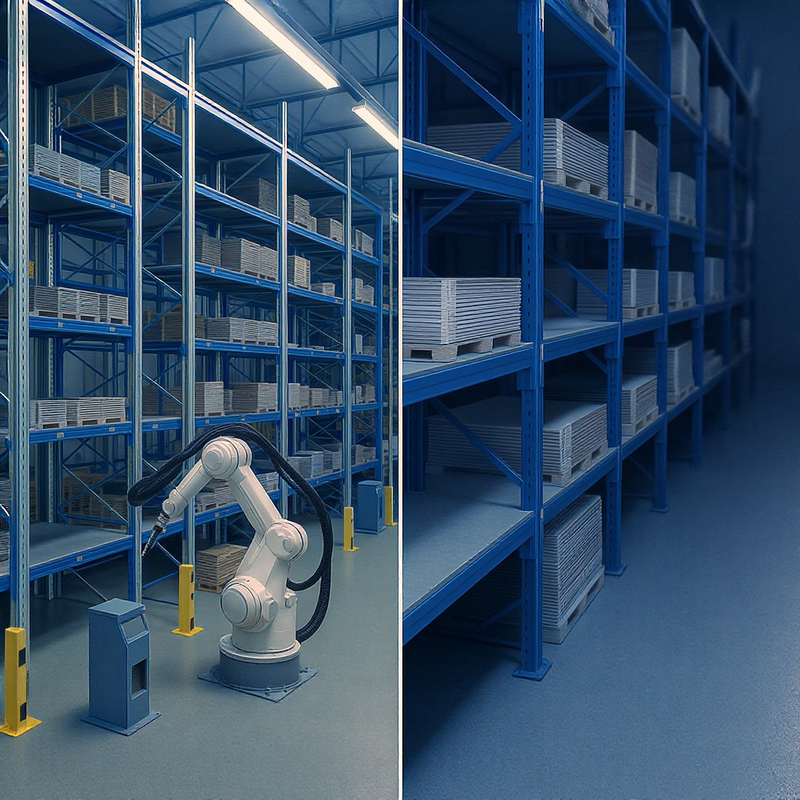
The main difference between an automated high-bay warehouse (HRL) and a traditional pallet warehouse lies in automation and increased efficiency. Automated HRLs use state-of-the-art storage and retrieval machines and conveyor systems to significantly optimize warehouse operations. In contrast, traditional pallet warehouses often require manual operation, which makes warehouse processes slower and more prone to errors. Another difference is software integration; HRLs are equipped with warehouse management systems (WMS) that control and monitor the entire material flow, enabling a highly optimized warehousing structure. These automated systems are also more compact and require less space, making them ideal for urban areas with limited space. In contrast, pallet warehouses require more physical storage space and are less flexible when handling different storage units. Furthermore, automated high-bay warehouses support higher process speed and precision, as they are less labor-intensive and relieve employees of physically demanding tasks. Ultimately, automated high-bay warehouses offer significantly improved space utilization and efficiency, which are crucial for industries with high throughput volumes and fast delivery cycles.
What is AKL?

An automated small-parts warehouse (AKL) is a state-of-the-art storage system designed for the efficient storage and handling of small parts. With its compact design, it allows for optimal use of available space and significantly increases storage capacity. AKLs are capable of quickly and reliably storing and retrieving goods, which is achieved through automated storage and retrieval machines and integrated conveyor systems. These warehouse systems are particularly in demand in industries that must manage a wide variety of items while minimizing space requirements, such as the electronics and automotive industries. The software, particularly the warehouse management system (WMS), plays a crucial role in controlling and coordinating processes in an automated small-parts warehouse. The use of state-of-the-art technology reduces the error rate, increases process speed, and maximizes productivity. These systems are not only cost-effective but also provide an ergonomically designed work environment for employees, contributing to healthier working conditions. Overall, AS/RS systems significantly improve the efficiency and sustainability of warehouse processes.
AKL

An automated small-parts warehouse (AKL) is revolutionizing the way companies use their warehouse space. These state-of-the-art systems optimize space through the use of stacker cranes and advanced conveyor technology. An AKL operates efficiently by using robots that automatically store and retrieve goods, thereby minimizing the need for human intervention. Warehouse management software (WMS) plays a central role here, as it monitors and optimizes the entire process. This digital transformation not only increases process efficiency but also significantly reduces the error rate. Companies across various sectors, such as manufacturing and logistics, benefit from the high flexibility and reliability of these systems. An automated high-bay warehouse like the GEBHARDT Cheetah® heavy is a prime example of this innovative technology. This type of warehouse seamlessly integrates various logistics processes and ensures fast turnaround times through precise control. The advantages of an automated small-parts warehouse are numerous: It enables higher storage capacity in a smaller space while guaranteeing maximum system availability and efficiency. It also relieves employees of monotonous tasks, which increases job satisfaction. In summary, an automated small-parts warehouse is the key to future-oriented and cost-effective warehousing.
System Requirements
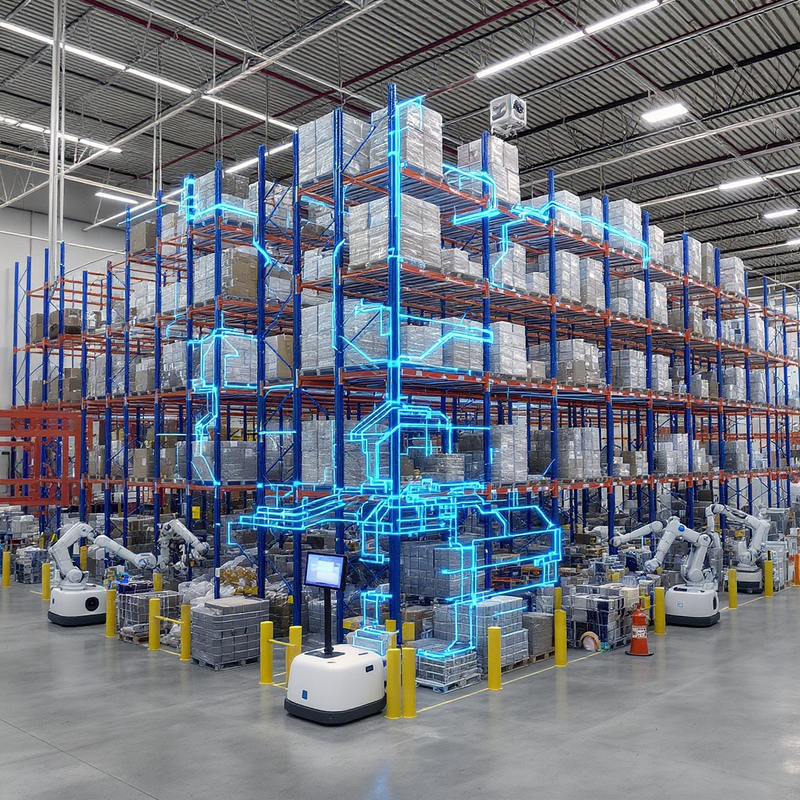
In modern logistics planning, automated high-bay warehouses place high demands on the systems used to ensure efficiency and flexibility. A key element is conveyor technology, which enables the fast and safe movement of goods within the warehouse. The selection of suitable storage and retrieval machines is crucial, as they play a key role in optimizing material flow. Software solutions also play an essential role. A warehouse management system (WMS) not only monitors inventory levels but also controls the entire warehouse floor and the various processes within the warehouse. When planning such systems, it is important to consider integration with existing ERP systems to achieve seamless integration and process optimization. Various industry examples show that automated systems have been successfully implemented in many sectors, from the food industry to the chemical industry. In addition, the system must be able to adapt to changing business requirements, such as short delivery times and smaller batch sizes. Modern high-bay warehouses must therefore be flexible and scalable in terms of both capacity and performance to ensure economic success.
Definition and Applications
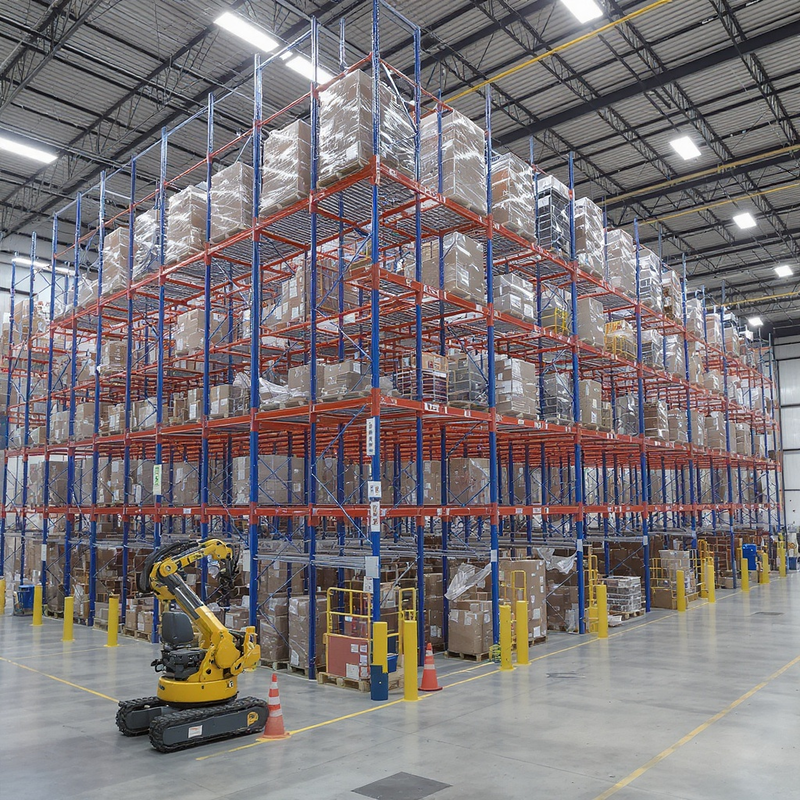
An automated high-bay warehouse is a cornerstone of modern intralogistics that enables efficient warehouse management through process automation. These systems are designed specifically for the storage and handling of small parts and other goods that must be stored in a space-saving and organized manner. With the help of stacker cranes and modern conveyor technology, energy-efficient and time-saving warehouse management is achieved. A core element in the control and optimization of such facilities is the warehouse management system (WMS), which coordinates and controls all warehouse processes. Automated high-bay warehouses are used in numerous industries, including the food industry, retail, and even the pharmaceutical sector. A key advantage of these systems is their spatial efficiency, as they allow for a high density of items in a limited space. In addition, they make employees’ work easier by relieving them of monotonous and physically demanding tasks. The implementation of such systems not only increases process efficiency but also enhances the company’s overall competitiveness by improving its ability to respond to market demands.
Optimal use of space

An automated high-bay warehouse (HRL) offers optimal use of space, which is crucial for the efficiency of modern intralogistics systems. With its ability to fully utilize storage space, an HRL enables space-saving storage on virtually any floor plan. Whether as a freestanding silo warehouse or a traditional built-in solution, these systems can reach heights of up to 45 meters to fully utilize the vertical dimension. This aspect is particularly important in urban or limited commercial spaces, where the value of every square foot of space is immense.
The use of advanced storage and retrieval machines and conveyor technology not only increases efficiency but also minimizes the error rate by ensuring that automated systems deliver precise and repeatable processes. Such technological improvements are well-suited to warehouses designed to handle a wide variety of goods, while also offering the flexibility to respond dynamically to market demands. In particular, industries such as retail or the food industry, which rely on fast and flexible operations, benefit greatly from the advantages of a well-utilized automated high-bay racking system.
Another advantage is the integration of warehouse management systems (WMS), which act as a central control unit and ensure continuous monitoring and optimization of space utilization. All these elements contribute to maximum efficiency in warehouse operations, thereby reducing storage costs while simultaneously increasing productivity. Ultimately, the workforce benefits from a safer and less stressful work environment, as repetitive and physically demanding tasks are automated. Such a comprehensive strategy leads to an improved competitive position in a rapidly changing world.
Distribution & Logistics Planning
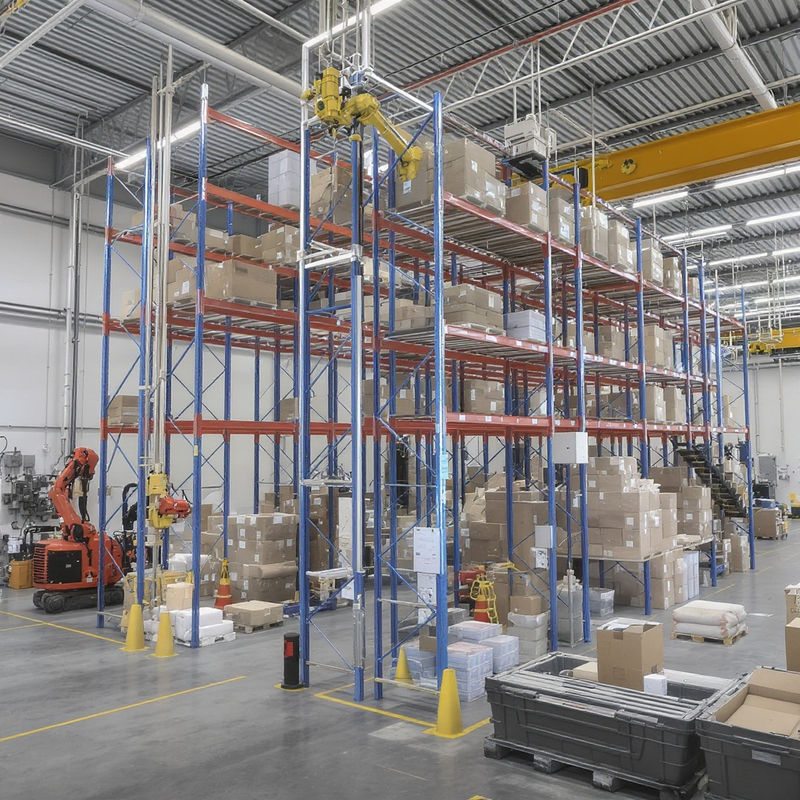
In modern logistics, automated high-bay warehouses are becoming increasingly important, especially with regard to distribution and logistics planning. These warehouses make it possible to make optimal use of available storage space and offer dynamic and efficient intralogistics. The use of stacker cranes and conveyor systems ensures efficient transport of goods, while control is handled by powerful software such as warehouse management systems (WMS). In distribution centers, these technologies play a key role in meeting increased demands such as short delivery times and small batch sizes. Various industries, including retail and the automotive sector, benefit from automated systems, which not only minimize error rates but also enhance product safety. Companies such as GEBHARDT and DACHSER rely on state-of-the-art technologies to maximize the efficiency of their warehouses, which leads to a decisive competitive advantage. Overall, the modernization of high-bay warehouses contributes significantly to improving logistics planning and thus ensures competitiveness in a globalized market environment.
Use of Height and Depth
Effective use of height and depth is an essential component of an automated high-bay warehouse, particularly in areas such as frozen-food warehouses and channel warehouses. The use of modern stacker cranes and conveyor systems allows for optimal utilization of warehouse space by maximizing the available height and depth. Compared to conventional warehousing methods, this technology enables efficient use of space up to several dozen meters in height, thereby reducing land and construction costs. Automation through software solutions such as the Warehouse Management System (WMS) ensures fast and error-free processes that significantly improve the logistics flow. In industries such as the food industry, implementing such a warehouse system not only increases capacity but also offers flexibility by adapting to seasonal or customer-driven fluctuations. With the ability to safely and efficiently handle various types of storage units—from pallets to mesh boxes—automated high-bay warehouses are setting new standards in logistics.
Layout Strategies
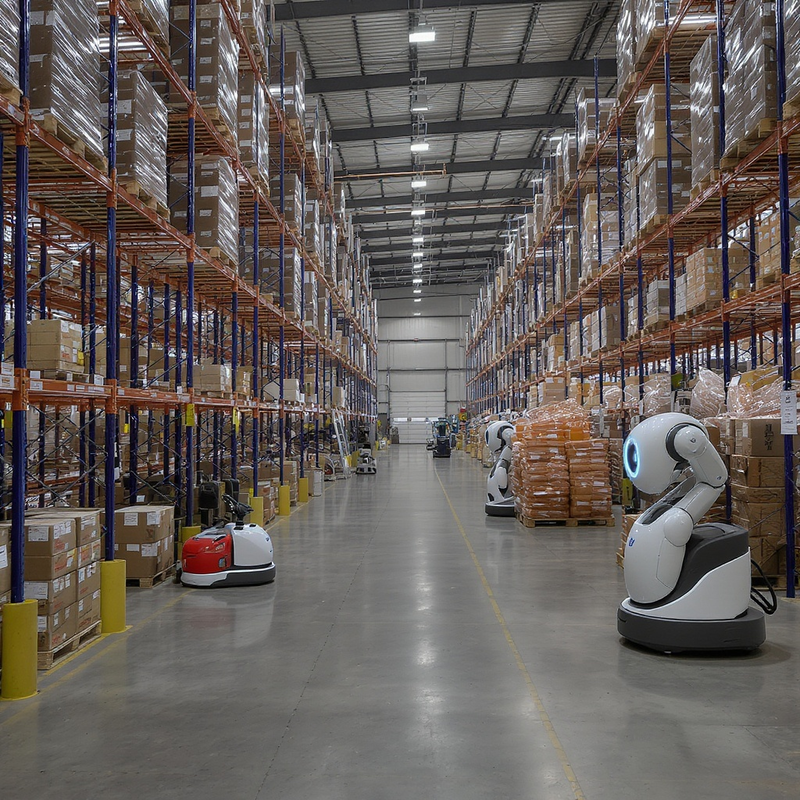
Efficient layout strategies are crucial to the success of an automated high-bay warehouse. Warehouse management software, such as a Warehouse Management System (WMS), plays a key role in this by not only optimizing pallet placement but also controlling the flow of goods within the warehouse. Proven storage and retrieval machines, such as the GEBHARDT Cheetah® heavy, maximize process efficiency through their high speed and precision and ensure error-free putaway and retrieval. In aisle warehouses, which offer high storage density, warehouse capacity is optimally utilized by stacking pallets without wasting unnecessary space. Thanks to the appropriate conveyor technology and seamlessly coordinated processes enabled by the WMS, companies across various industries—from food to pharmaceuticals—can benefit from shorter delivery times and increased flexibility. The seamless interaction of the various technologies and systems leads to maximum space utilization and more efficient operations, which ultimately results in an improved user experience and a higher ROI.
Throughput Capacities
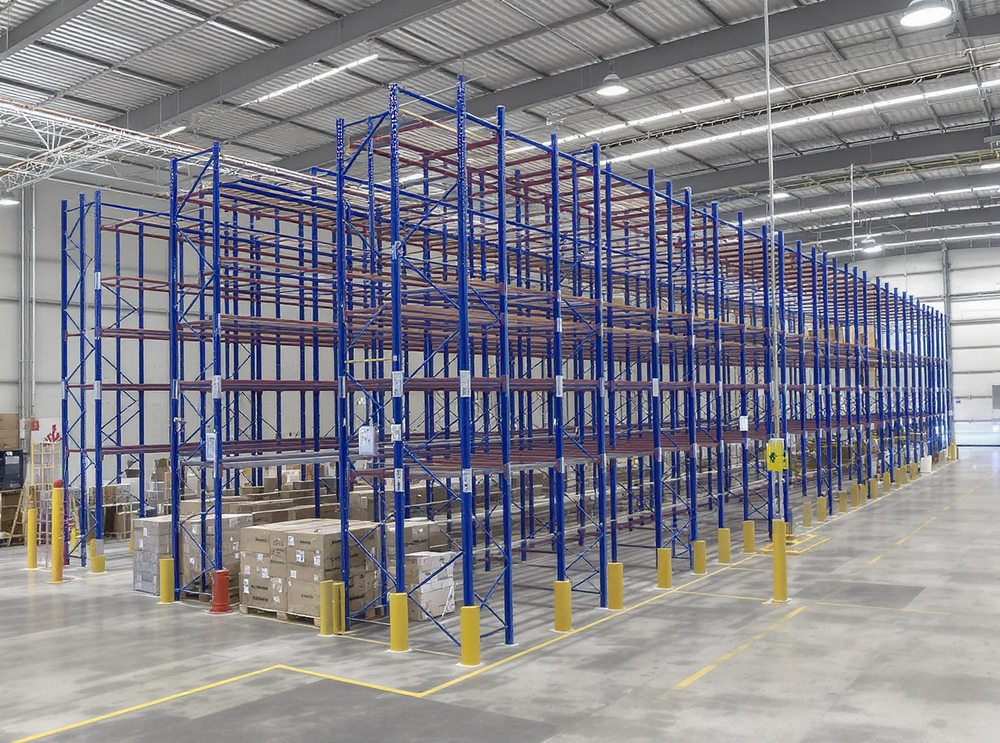
Throughput is a critical factor in evaluating the efficiency of an automated high-bay warehouse (HRL). Modern automated HRL systems offer impressive productivity gains through the use of sophisticated conveyor technology and storage and retrieval machines (SRMs) that are specifically designed for fast and precise storage and retrieval operations. These systems not only maximize storage capacity in a limited space but also optimize the speed and precision of material movements within the warehouse.
Another key component for increasing throughput is the integration of software solutions such as the warehouse management system (WMS), which coordinates, monitors, and optimizes all processes in the warehouse. This software manages space allocation, monitors inventory levels, and ensures smooth order fulfillment, thereby significantly improving productivity. Thanks to these systems, companies can respond quickly and efficiently to short order cycles and fluctuating demand.
The use of centralized control systems and user-friendly interfaces enables operators to make real-time decisions and optimize material flow. When combined with modern material handling technologies, such as shuttle car systems in channel warehouses, an automated high-bay warehouse can offer exceptional efficiency in handling various types of loads, including pallets, mesh boxes, and other large load carriers.
Automated high-bay warehouses have proven particularly valuable in industries such as logistics, retail, and manufacturing, as they can store a wide variety of products safely and efficiently while simultaneously reducing labor requirements. As a result, they make a significant contribution to increasing productivity and meeting rising customer demands for fast delivery and availability.
Process Optimization
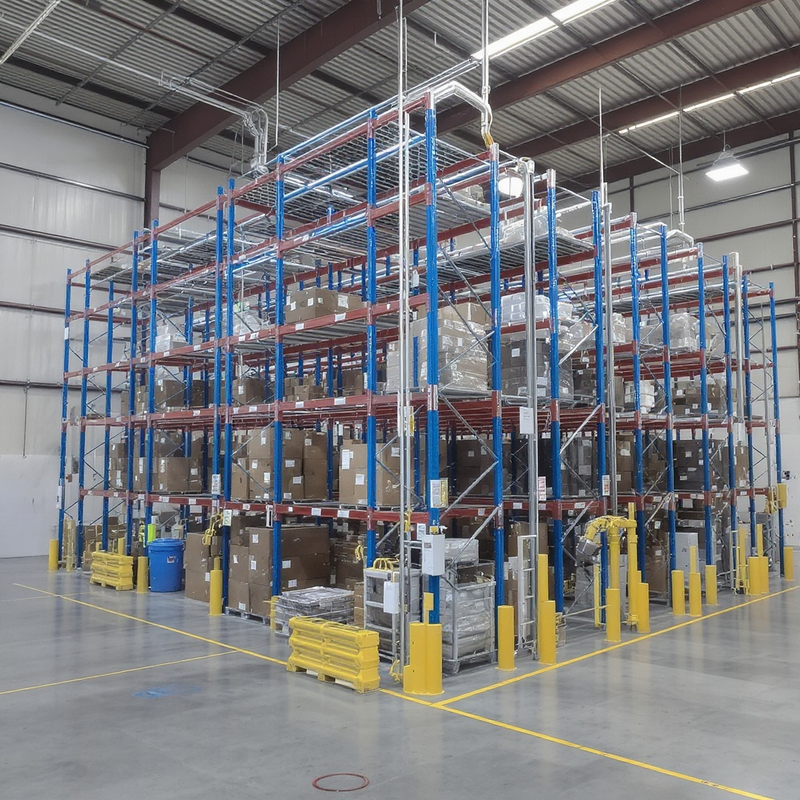
In modern logistics planning, process optimization plays a crucial role in maximizing efficiency and flexibility. Automated high-bay warehouses offer a groundbreaking solution for managing complex warehouse processes. The use of innovative storage and retrieval machines and customized conveyor systems ensures seamless integration of warehouse functions. Software solutions such as warehouse management systems (WMS) play a central role here by monitoring and controlling warehouse processes in real time. These modern technologies lead to a significant reduction in error rates and enable companies to benefit from faster order picking and optimized preparation of shipping pallets. Across various industries, real-world examples demonstrate how the use of such systems has already fundamentally improved production supply processes. An optimized automated warehouse not only leads to increased throughput but also provides employees with long-term relief from physically demanding and repetitive tasks. Through increased efficiency and precision in storage and retrieval, companies enhance their competitiveness and secure a significant competitive advantage in dynamic markets.
KPIs & Metrics
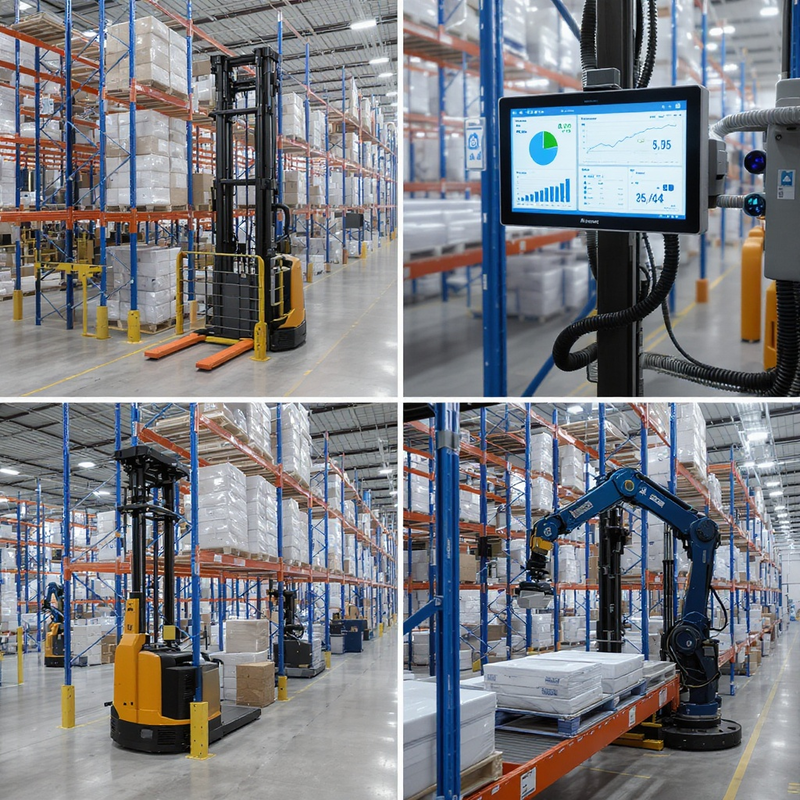
Productivity plays a central role in modern high-bay warehouses. Specific key performance indicators (KPIs) are crucial for measuring the efficiency of such automated systems. Important KPIs in this context include, for example, throughput, which describes the number of loads moved by the storage and retrieval machines within a defined time period. Another essential metric is system availability, which indicates the percentage of operating time during which a system is actually available and functional. These metrics help identify operational bottlenecks and drive targeted improvements in logistics. In addition, tracking the error rate provides insight into the system’s reliability and serves as a benchmark for optimization. Automated high-bay warehouses, such as those equipped with viastore system solutions, rely on a comprehensive warehouse management system (WMS) that not only monitors these KPIs but also integrates them into process control to ensure a sustainable increase in efficiency. These data-driven processes are essential for remaining competitive in the global logistics market.
Material Handling
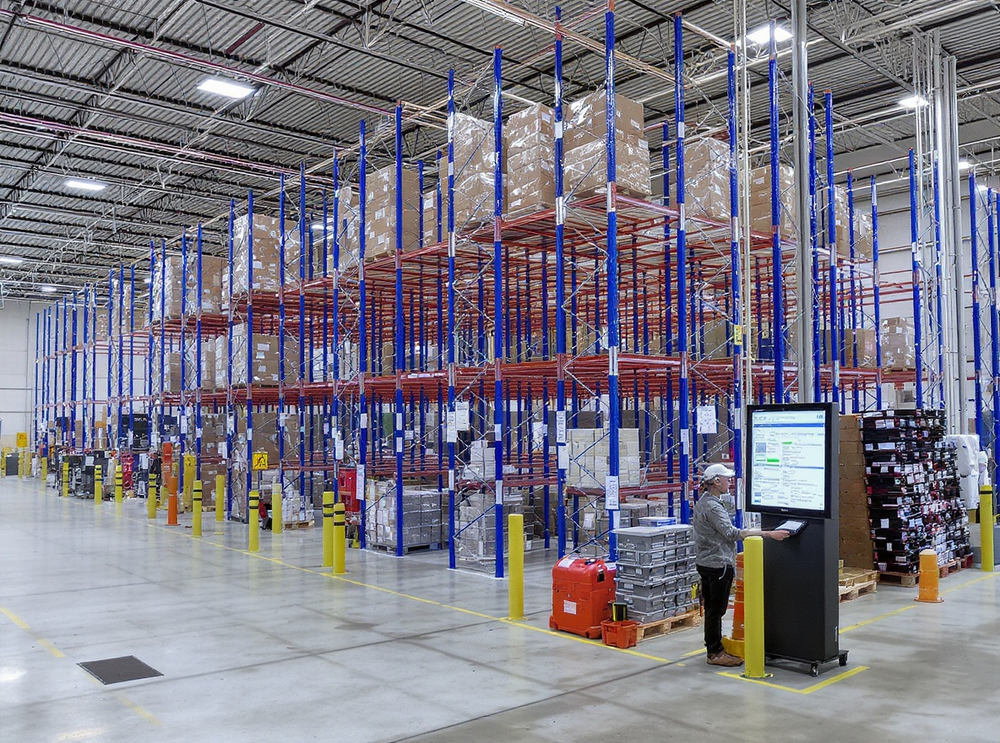
Material handling technology forms the essential foundation of a modern, automated high-bay warehouse. This technology makes it possible to organize the flow of materials efficiently, with all processes—from goods receipt to shipment—operating automatically. Of particular note are the stacker cranes, which serve as the core element for storing and retrieving pallets and mesh boxes quickly and precisely. These highly dynamic units, such as the GEBHARDT Cheetah® heavy, are designed to drastically increase process efficiency while ensuring maximum system availability. RFID technology is also indispensable in this context, as it enables seamless, real-time tracking of goods movements. In addition, shuttle systems improve storage density and allow for space-saving storage in aisle warehouses. The synchronization of all components is ensured by a powerful warehouse management system (WMS), which monitors the optimal utilization of storage capacity and minimizes the workload. By enabling error-free processes in a matter of seconds, the conveyor technology not only optimizes capacity utilization but also relieves employees of physically demanding tasks. For companies, this represents a decisive competitive advantage, as it not only optimizes product availability but also ensures the speed and precision of logistics processes.
Channel Warehouses & Cold Storage Facilities
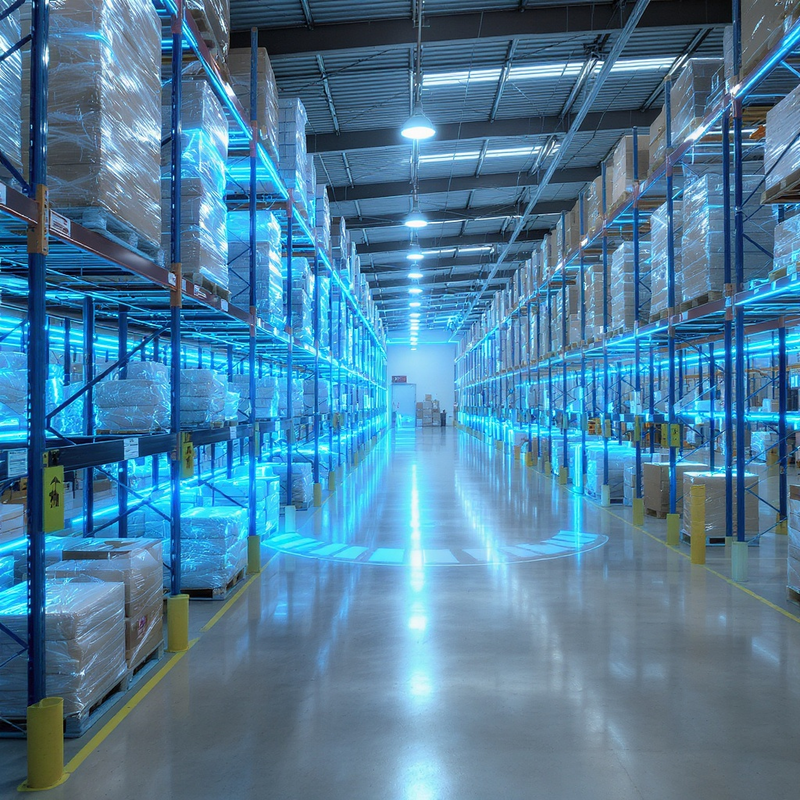
A channel rack is an essential component of modern material handling technology, used particularly in areas with high throughput. This type of rack allows for multiple pallets to be stored deep within a rack, resulting in more efficient use of space and higher storage density. Deep-freeze warehouses, on the other hand, are specialized facilities designed to store goods at extremely low temperatures, typically around -18 °C or colder. Combining these two systems allows for the benefits of both warehouse types to be leveraged, thereby improving logistics processes. In a fully networked warehouse management system (WMS), the putaway and retrieval processes in both the channel warehouse and the deep-freeze warehouse are optimized using rack-handling machines or shuttles, which increases efficiency and reliability. These technologies are used in numerous industries—from the food industry to the pharmaceutical and chemical sectors—anywhere where reliable and error-free processes are critical.
Technical Components
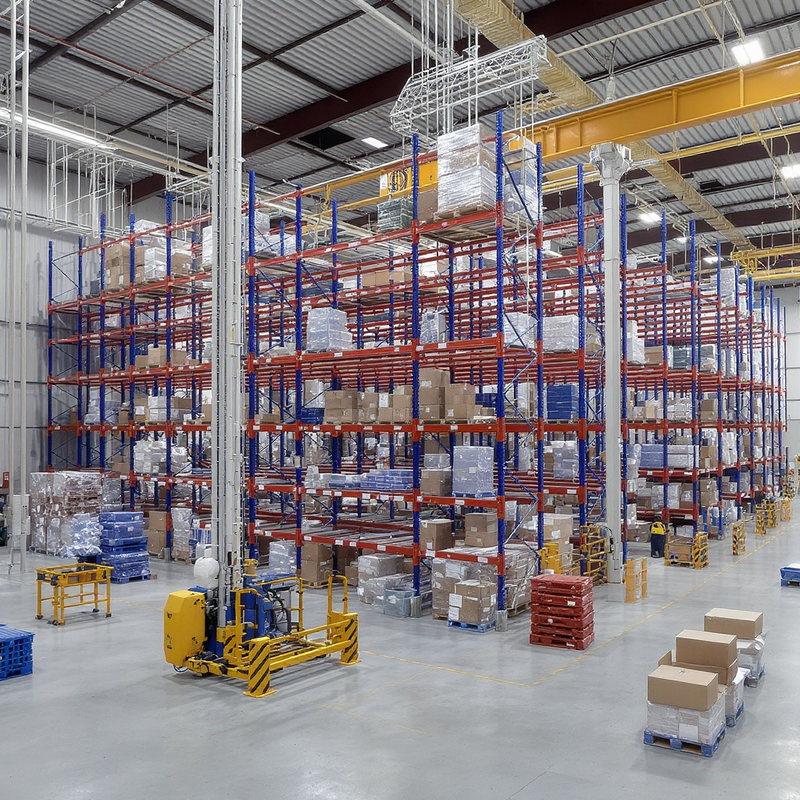
An automated high-bay warehouse is a crucial component of a modern logistics center, comprising various technical elements designed to ensure efficiency and precision in warehousing. Among the main components is conveyor technology, which is responsible for transporting goods within the warehouse and works seamlessly with stacker cranes to automate putaway and retrieval. These devices move along the rack aisles and are often controlled by a central warehouse management system (WMS), which manages all warehouse processes and minimizes errors. Such systems are indispensable in various industries, such as the food industry, e-commerce, and automotive manufacturing. The combination of these technologies enables goods to be handled quickly and efficiently, thereby significantly increasing process efficiency. Automated high-bay warehouses often also feature shuttle systems, which are used in addition to the rack servicing robots to increase the warehouse’s flexibility and capacity. Together, these technical components form the backbone of an automated warehouse.
High-Bay Warehouse Automation

High-bay warehouse automation is revolutionizing efficiency and precision in the logistics industry. Automated high-bay warehouses achieve unparalleled process efficiency through state-of-the-art conveyor technology and specialized storage and retrieval machines. These systems not only support optimal space utilization but also minimize error rates and shorten turnaround times. A central element of high-bay warehouse automation is the Warehouse Management System (WMS), which monitors and controls all warehouse processes. These software solutions contribute significantly to the integration and flexibility of the warehouse environment by coordinating inventory movements and optimizing the availability of goods. In practice, the potential of these technologies is particularly evident in industries such as the food industry or in large-scale distribution centers, where the implementation of automated systems leads to significant productivity gains. Investing in automated high-bay warehouses brings significant competitive advantages, as they allow for expanded capacity and a more efficient use of resources. Depending on requirements, various systems are available, such as racking systems with shuttles or those traditionally operated by stacker cranes. Implementing such systems enables companies to efficiently organize complex warehouse processes in very confined spaces while simultaneously raising safety standards, which ultimately leads to greater competitiveness and sustainability in business processes.
Trends & ROI
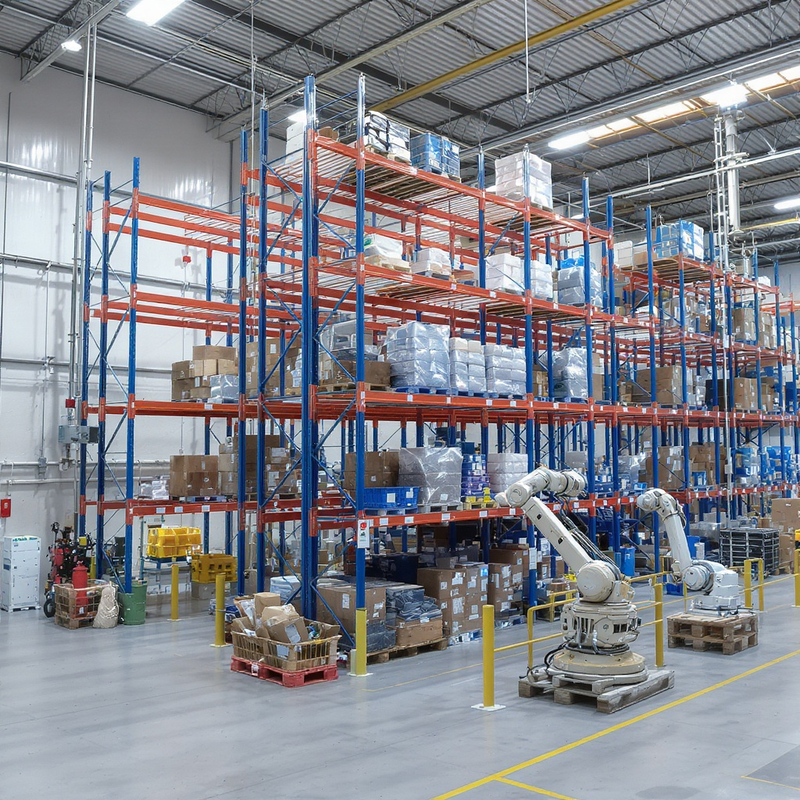
The world of high-rack warehouse automation is constantly evolving, driven by technological innovations and a strong focus on productivity and throughput. Automated high-rack warehouses offer companies numerous advantages, including optimized space utilization and increased efficiency. The use of state-of-the-art warehouse management software (WMS) makes it possible to optimize workflows and significantly reduce error rates. This ensures a continuous return on investment (ROI), as such systems accelerate processes and effectively reduce warehousing costs. Across industries—from the food sector to the automotive industry—it is evident that automated high-bay warehouses not only reduce error rates by minimizing manual intervention but also significantly increase process efficiency and equipment availability. Investing in automation not only yields short-term efficiency gains but also supports long-term competitiveness through optimized resource utilization. With increasing demands for faster delivery times and greater product customization, the importance of automated warehouse solutions will continue to grow in order to meet the demands of modern retail.
Automation in the HRL
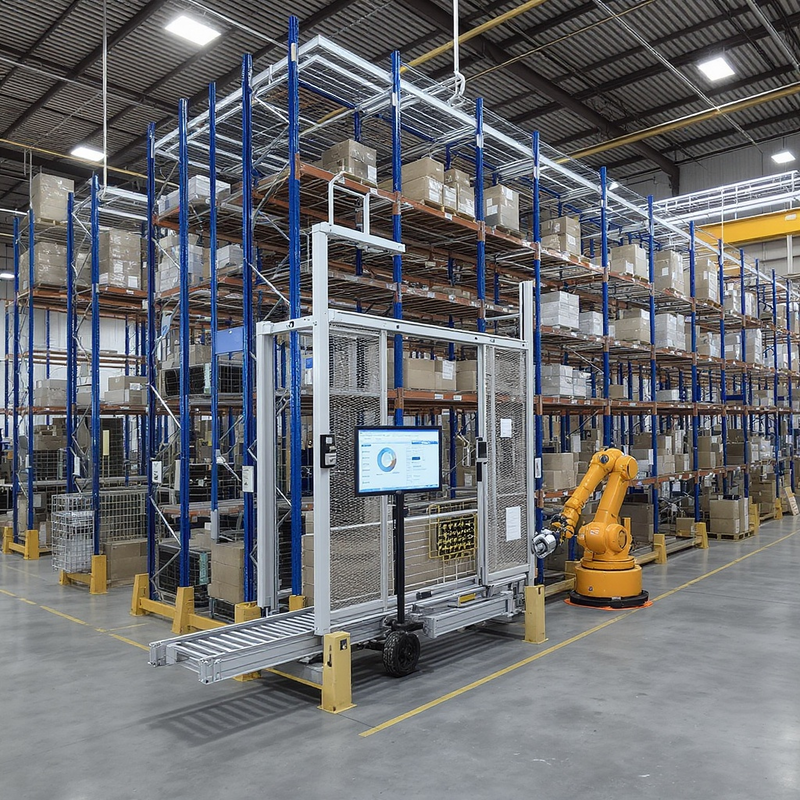
In modern logistics, high-bay warehouse automation plays a crucial role. Automated high-bay warehouses maximize storage capacity by making optimal use of valuable space. Central to this automation are storage and retrieval machines (SRMs) and efficient conveyor systems, which enable the smooth transport of goods. The integration of advanced software such as warehouse management systems (WMS) ensures the monitoring and control of all warehouse processes while minimizing the error rate. Various industry examples demonstrate the flexibility of these systems: Whether in the pharmaceutical, food, or retail sectors—automated high-bay warehouses offer significant advantages, such as greater efficiency and shorter turnaround times. By combining innovative technology with intelligent software, these warehouse solutions can be tailored to individual requirements. Investing in automation technologies not only leads to cost reductions but also enhances competitiveness in an increasingly dynamic market environment.
High-Bay Warehouse Robots
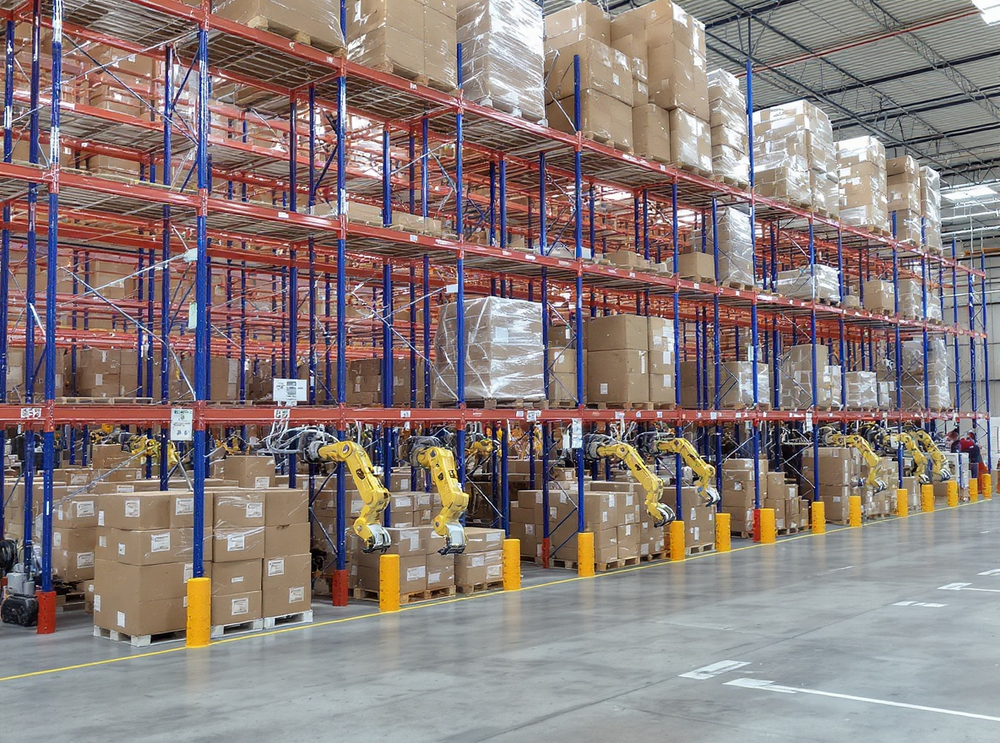
In modern automated high-bay warehouses, high-bay robots play a central role. These precise machines, such as the GEBHARDT Cheetah® heavy-duty stacker crane, are responsible for the efficient storage and retrieval of pallets and other large load carriers. The custom-designed stacker cranes move autonomously through the rack aisles and optimize processes through their speed and flexibility. In combination with other automated conveyor systems that support the flow of materials between storage and shipping, they ensure error-free operations. The software component—a warehouse management system (WMS)—monitors all warehouse processes, from organizing storage location management to controlling the robotics. Industries such as the food industry, e-commerce, and large logistics centers rely on these technologies to shorten delivery times and maximize product utilization. Robotics in automated high-bay warehouses not only ensures high efficiency but also enables adaptation to future requirements of the logistics industry by increasing safety for warehouse workers and significantly reducing the error rate and physical exertion.
Safety & Maintenance
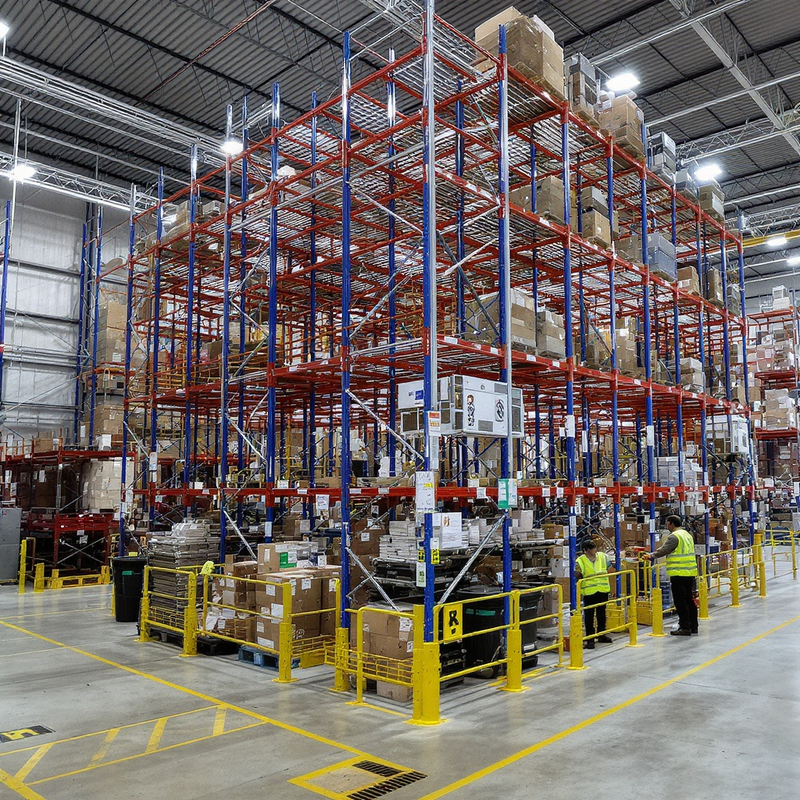
The safety and maintenance of automated high-bay warehouses play a crucial role in ensuring smooth operations and protecting people and goods. Regular inspections and maintenance of warehouse systems are essential to prevent unforeseen breakdowns and risks. Safety protocols must be strictly adhered to in order to ensure workplace safety, particularly in areas where machines and robots are used. Modern systems feature integrated safety mechanisms that immediately trigger an alarm in the event of anomalies and halt operations if necessary. These mechanisms can rely on sensors, algorithms, and real-time monitoring to detect potential hazards in a timely manner. In addition to ensuring safety standards are met, it is important that staff receive regular training to effectively utilize the latest protocols and technologies. The combination of preventive maintenance and comprehensive safety management helps maximize the efficiency and reliability of the high-bay warehouse while minimizing workplace accidents and operational disruptions.
Robotics at HRL
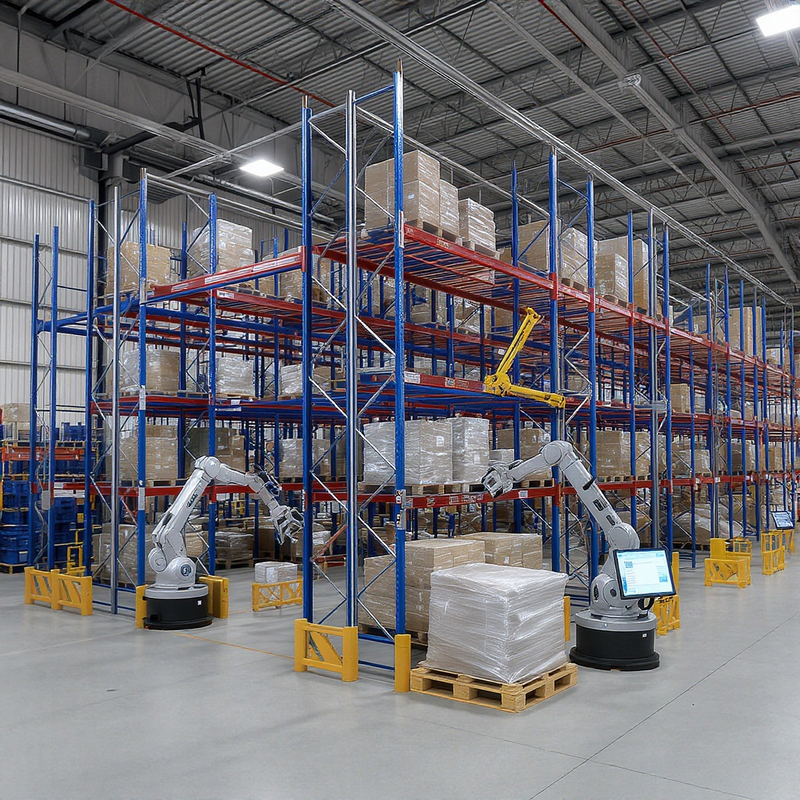
In the world of robotics-driven intralogistics, automated high-bay warehouses (HRL) play a central role. These warehouse solutions combine state-of-the-art robotics with advanced control systems to ensure efficiency and accuracy in warehousing. Stacker cranes and shuttles are crucial components that automate the storage and retrieval of pallets. The integration of software solutions such as warehouse management systems (WMS) optimizes processes and significantly reduces the error rate. Furthermore, automated systems contribute to process efficiency by enabling shorter turnaround times and thus increasing the availability of goods. Industries such as food, pharmaceuticals, and automotive are increasingly relying on these automated solutions to meet the demands of a dynamic market. The use of robotics in high-bay warehouses not only simplifies product handling but also improves safety and ergonomics for employees by relieving them of physically demanding tasks. This collaboration between humans and machines defines the high-bay warehouse of the future and enables sustainable and efficient warehousing.
High-Bay Warehouse Software

When operating an automated high-bay warehouse, high-bay warehouse software plays a crucial role in maximizing efficiency and precision. A warehouse management system (WMS) such as SAP EWM is essential for effectively managing the complex processes in a high-bay warehouse. This software enables the optimal organization and monitoring of all warehouse movements, from putaway to order picking. When integrated into an automated system, this software can drastically reduce the error rate, as it processes data in real time and responds quickly to external factors. Industries such as the food and automotive sectors benefit from the flexibility and scalability of modern warehouse management solutions. They not only ensure a smooth process chain but also support the planning and implementation of strategic logistics decisions. Furthermore, the integration of technologies such as stacker cranes and conveyor systems ensures seamless material flow automation. High-bay warehouse software allows for optimal utilization of warehouse capacity, leading to improved product availability and, ultimately, increased customer satisfaction. Modern software solutions such as SAP EWM enable companies to remain competitive by accelerating logistics processes and reducing operating costs. Whether managing small, specialized products or large-scale pallet warehouses, the right software solution is the key to successful warehouse operations in the digital age. It is the heart of every automated high-bay warehouse, where efficiency and precision are top priorities.
Data & Analytics
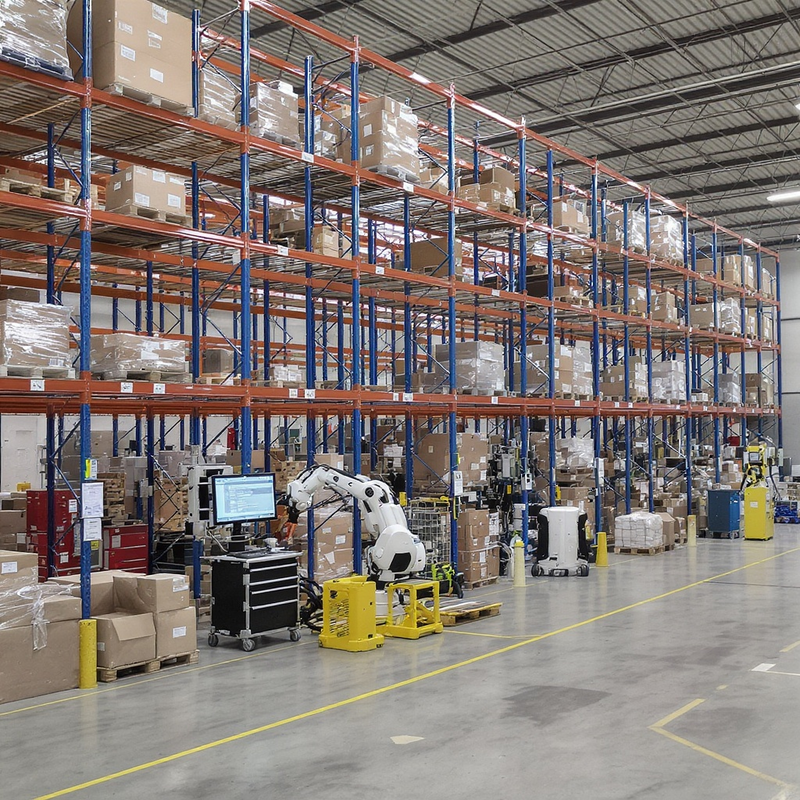
In automated high-bay warehouses, data and analytics play a crucial role in logistics planning and boosting productivity. By collecting and analyzing warehouse data, companies can not only implement more efficient processes but also make predictions to optimize the flow of materials. With the help of integrated software solutions such as a warehouse management system (WMS), data is captured and analyzed in real time. This enables precise monitoring and control of warehouse processes. Data analysis helps identify patterns and trends to detect potential bottlenecks early on and make optimal use of resources. In an automated logistics system, this means not only efficiently managing current warehouse capacity but also anticipating future demands and being prepared for them. The combination of data and analytics thus improves not only efficiency but also the quality of decision-making in intralogistics, leading to a measurable competitive advantage. In this way, companies can better respond to market demands and continuously increase process efficiency.
SAP EWM Integration
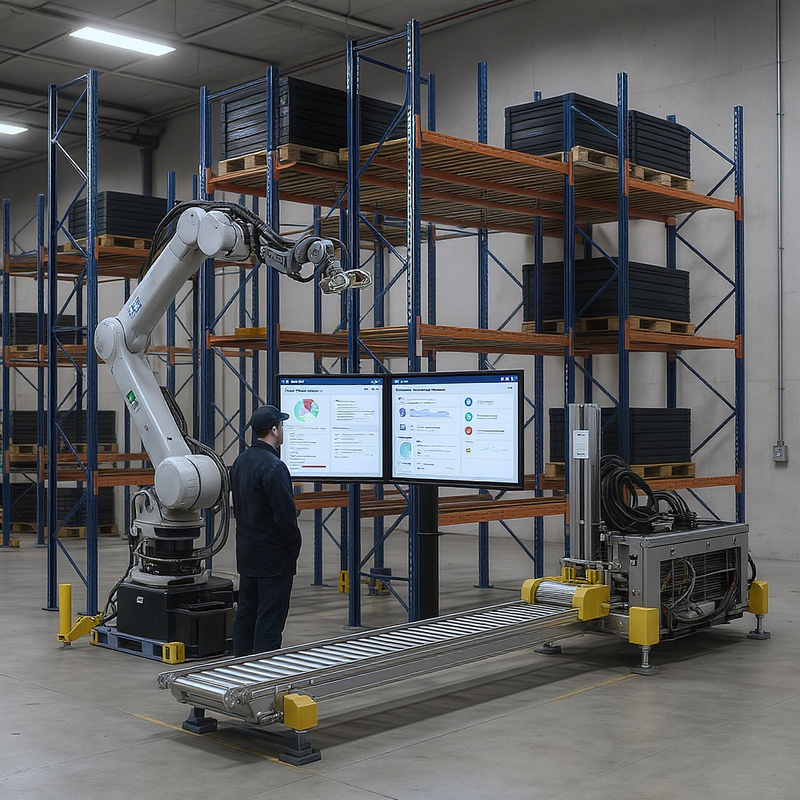
The integration of SAP EWM into an automated high-bay warehouse is a crucial step toward optimizing modern warehousing. SAP EWM enables the seamless connection of physical warehouse processes with the digital world, ensuring comprehensive transparency and control over all warehouse activities. Thanks to the close integration with SAP’s warehouse management software, material flow can be controlled more efficiently. This includes both the receipt and shipment of goods as well as the automatic processing and management of inventory. Companies benefit from reduced error rates, faster order processing, and improved product availability. Integration with SAP EWM allows for the real-time monitoring and control of various conveyor systems and storage and retrieval machines. This leads to a significant increase in process speed and system availability. In addition, the integration enhances employee safety by relieving them of manual and physically demanding tasks. In summary, the integration of SAP EWM into automated high-bay warehouses provides a solid foundation for a future-proof logistics strategy.
LVS/WMS Software at HRL
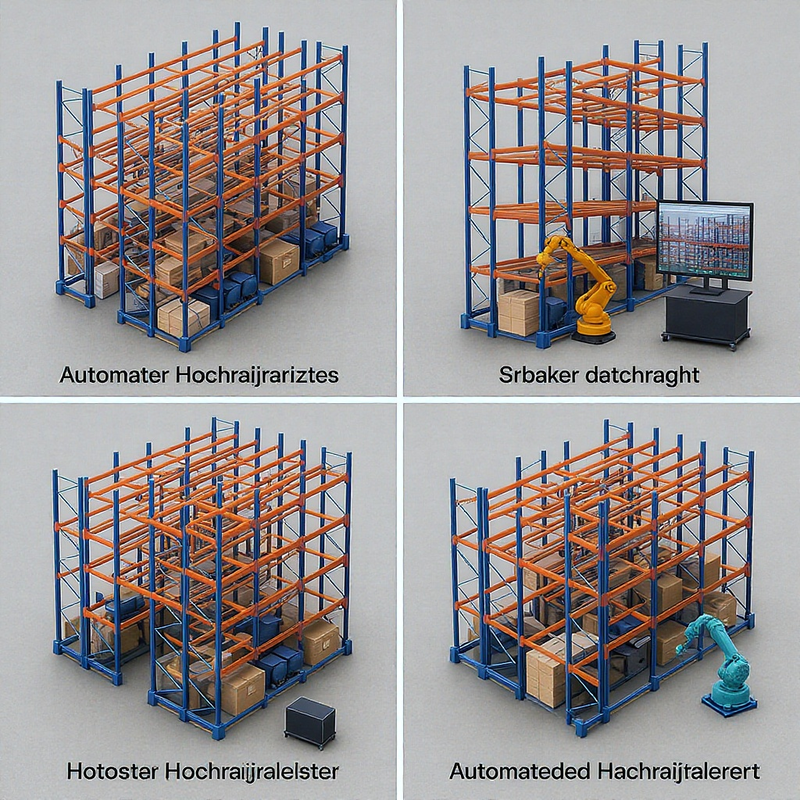
In an automated high-bay warehouse, the right WMS software plays a crucial role. Warehouse management systems (WMS) are essential for efficiently organizing and monitoring warehouse processes. With flexible high-bay warehouse software, all processes—from putaway to order picking—can be optimally controlled. It ensures that the error rate is demonstrably reduced through sophisticated process optimization, thereby contributing to perfect product availability. Especially in industries where short delivery times and dynamic processes are required, integrating a high-performance WMS pays off. This software not only supports inventory management but also facilitates real-time communication between various storage and retrieval machines and the higher-level control system. The use of innovative WMS solutions in an automated high-bay warehouse results in a substantial increase in process efficiency and system availability, thereby providing companies with a significant competitive advantage.
Channel Bearing
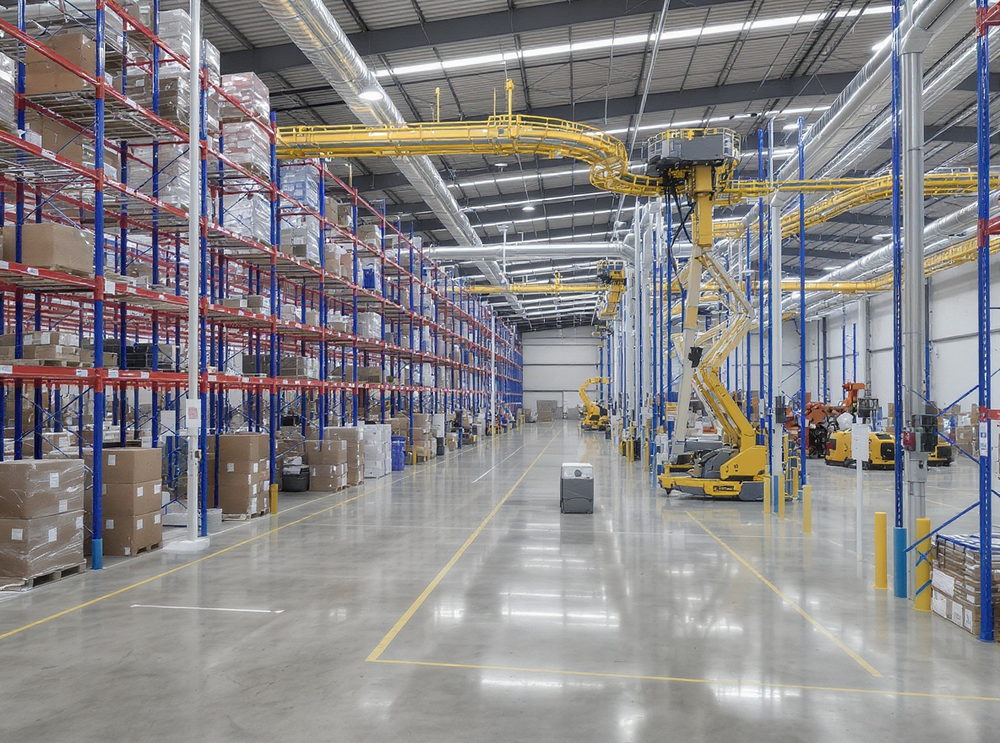
A channel warehouse is an essential component of many modern logistics centers that prioritize high storage density and efficient use of space. This storage system is characterized by its ability to store large quantities of pallets in multiple-depth configurations, which significantly increases storage capacity. Thanks to the integration of modern conveyor technology and custom-designed rack-feeding devices, a channel storage system is particularly flexible. Shuttle systems are typically used to efficiently transport pallets through the storage channels. However, such systems require optimal control via a warehouse management system (WMS) to ensure smooth operations. Companies benefit from shorter turnaround times and reduced error rates, as automated processes manage the workflow. Channel warehouses are used particularly in retail and wholesale, the automotive industry, and the food sector due to their adaptability and performance. They support the precise and rapid handling of large quantities of goods, thereby creating a significant competitive advantage. Overall, a multi-channel warehouse not only improves process efficiency but also significantly contributes to increasing facility availability. A well-designed multi-channel warehouse elevates the entire intralogistics system to a new level, enabling it to meet the ever-increasing demands of the market.
Benefits & Use Cases
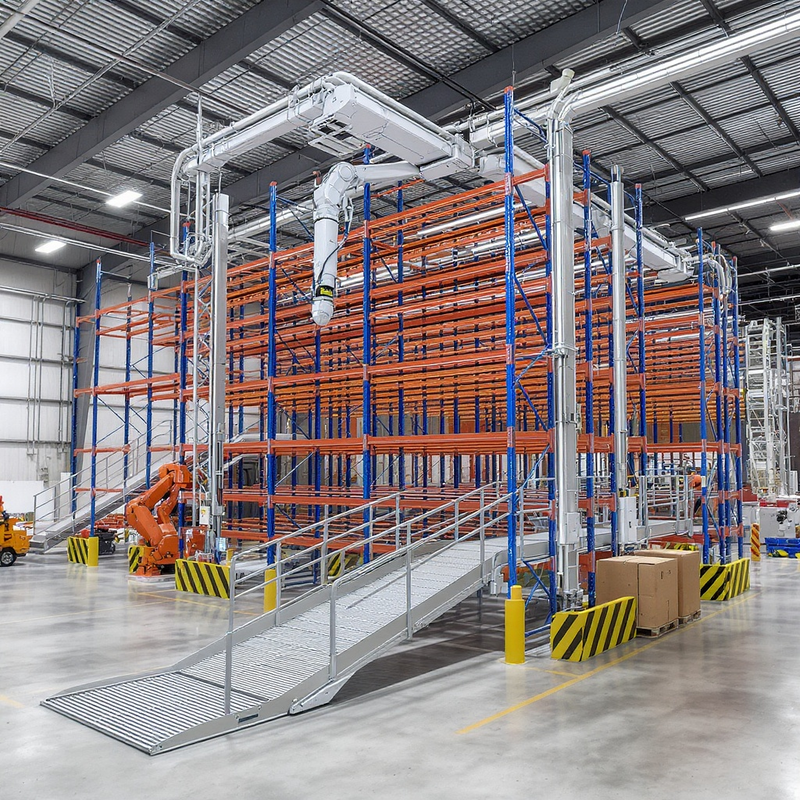
Automated high-bay warehouses offer significant advantages and are used in various distribution centers, particularly when it comes to storage capacity. Their vertical design makes optimal use of the available space, allowing a large number of items to be stored despite limited floor area. The use of state-of-the-art storage and retrieval machines and conveyor systems enables dynamic and rapid warehouse management, significantly reducing turnaround times. This leads to overall higher efficiency and productivity, both in warehouse operations and in related logistics processes. One of the key strengths of automated high-bay warehouses is the reduction of errors in goods distribution. Semi- or fully automated systems take over monotonous and physically demanding tasks, which reduces the workload on employees and makes the work environment safer and more pleasant. These warehouses are frequently used in the food industry or in retail, where short delivery times are critical. The integration of flexible software solutions, such as warehouse management systems (WMS), further optimizes the monitoring and control of processes. In conclusion, automated high-bay warehouses are a valuable investment for companies that want to use their warehouse space efficiently and optimize their supply chain.
Channel Bearing Mounts

Aisle-storage systems are an integral part of modern warehouse logistics, designed to maximize efficiency and flexibility in warehouse management. These systems use storage and retrieval machines and shuttle systems to efficiently store and retrieve goods in narrow aisles, enabling high space utilization. Logistics software plays a central role in this process by managing inventory, optimizing picking processes, and controlling the movement of goods within the warehouse. Channel storage systems offer significant advantages, particularly for industries with high turnover of pallets or small items, due to their ability to automate warehouse processes and minimize errors. Thanks to their flexibility, these warehouse solutions represent a strategic choice for both manufacturers and logistics centers, enabling them to respond quickly and effectively to the growing challenges of modern supply chains. Implementing such approaches in a channelized warehouse environment leads to a significant increase in productivity and contributes to competitiveness. This enables companies not only to make optimal use of existing warehouse space but also to shorten delivery times and maximize storage capacity in the most compact space possible.
Cold storage facility
A deep-freeze warehouse is an indispensable component of modern logistics, especially for industries that need to store temperature-sensitive goods such as food or pharmaceutical products. Storage at extremely low temperatures requires specialized infrastructure that both ensures product quality and maximizes the efficiency of warehouse processes. Automated high-bay warehouses (HRL) have proven to be particularly effective in this area. These are complex systems that use rack-handling devices and specialized conveyor technology to optimize the flow of goods and minimize error rates.
Software plays a central role in the operation of an automated frozen-food warehouse, as it handles inventory management and coordinates the processes of putting goods into and removing them from storage. With a robust warehouse management system (WMS), companies can access real-time information about inventory levels and thereby ensure high product availability. Industry-specific solutions developed specifically for the operation of frozen-food warehouses not only enable efficient use of space but also significantly reduce operating costs.
In practice, numerous examples from the food and pharmaceutical industries demonstrate the effectiveness of these systems. Companies that use automated deep-freeze warehouses report an improved supply chain, reduced storage costs, and higher employee satisfaction, as monotonous and physically demanding tasks are minimized. Overall, automated solutions in the frozen-food warehousing sector make a decisive contribution to supply chain efficiency and offer a clear competitive advantage.
Examples & Best Practices
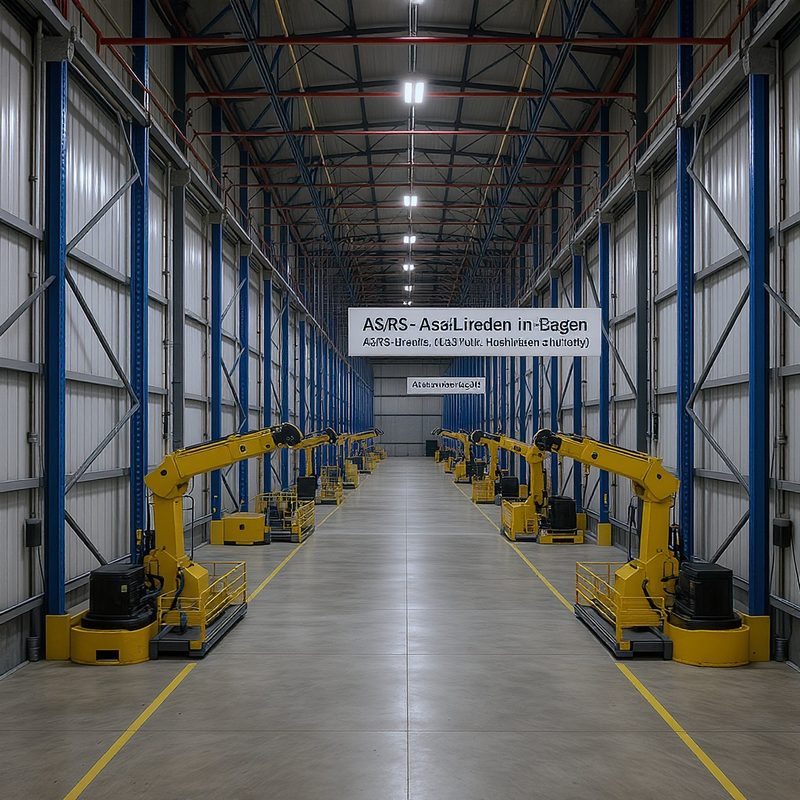
Automated high-bay warehouses are at the heart of modern distribution centers. Successful logistics projects demonstrate how versatile these systems are across a wide range of industries. For example, the EDEKA logistics center in Landsberg has reduced picking costs by 50 percent and increased efficiency by 25 percent through the use of WITRON technology. In particular, the storage and retrieval machine is highlighted as a key component, enabling precise and fast processes for storing and retrieving pallets. Amazon also relies on automated high-bay warehouses to ensure short delivery times while handling a wide variety of items, thereby maximizing customer satisfaction. The system is supported by a powerful warehouse management system (WMS) such as viadat or SAP EWM, which optimizes warehouse management and maximizes process efficiency. The example of DACHSER’s automated warehouse in Memmingen, which stands 32 meters tall, clearly illustrates how a fully automated system makes it possible to efficiently manage a large number of pallets, thereby securing a decisive competitive advantage in the field of logistics.
Requirements for Frozen LRL
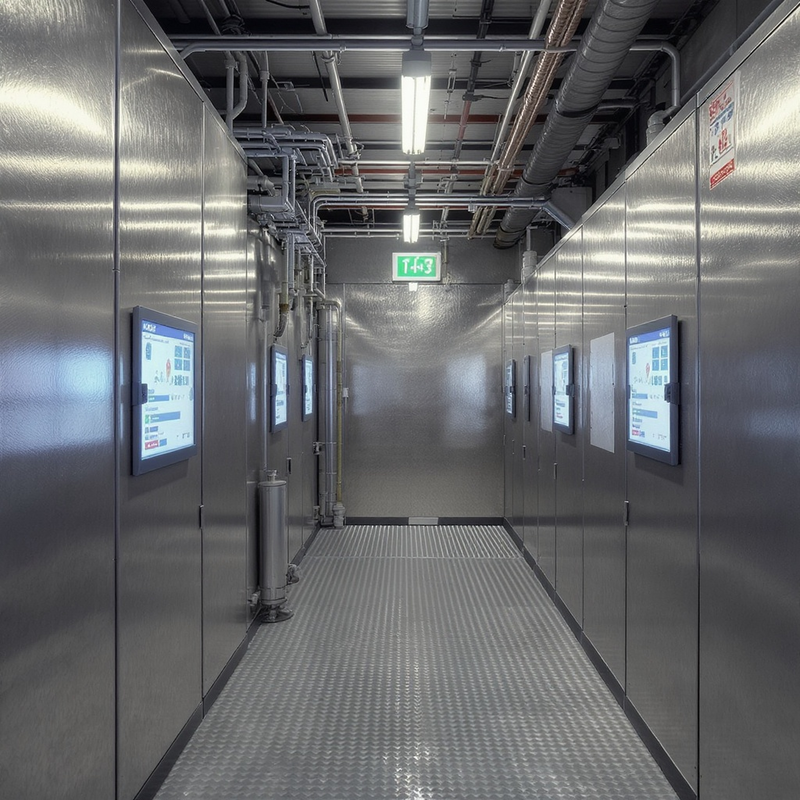
A long-term frozen storage facility (LRL) places specific demands on infrastructure and technology to ensure the storage of products at extremely low temperatures. One of the key challenges is insulation, which prevents heat from penetrating the storage system and thereby compromising the products. In addition, an efficient cooling system is essential to guarantee constant temperatures for the storage of sensitive products. Conveyor systems and storage and retrieval machines must be suitable for operation at sub-zero temperatures and integrate seamlessly into the overall automated system. A high-quality warehouse management system (WMS) plays a crucial role in maintaining an overview of inventory and efficiently controlling processes in the cold storage facility. Real-world examples show that in industries such as food and pharmaceutical logistics, these systems offer high availability and flexibility, enabling a dynamic response to unexpected changes in demand. This results in a solution that maximizes not only process efficiency but also system availability.
Storage capacity
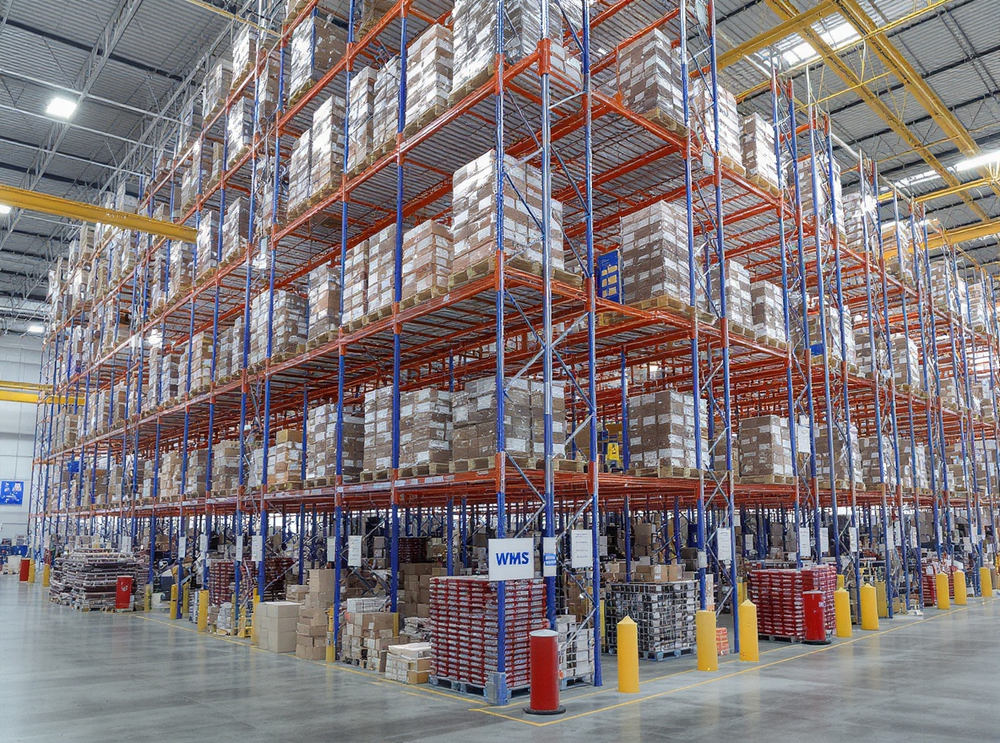
Storage capacity in an automated high-bay warehouse (HRL) is a critical factor in maximizing the efficiency and effectiveness of warehouse processes. Thanks to their vertical design, these warehouses make it possible to store large quantities of goods in a limited space. This is because the racking structures can be up to 45 meters high, enabling optimal use of floor space. Another key feature is the dynamic storage strategy used in automated systems. This strategy allows for flexible use of storage locations, thereby significantly increasing storage density. This ensures high utilization of the available storage space, which is particularly advantageous in industrial areas with limited space.
The use of advanced warehouse management systems (WMS) not only optimizes warehouse capacity but also speeds up the processes of putaway and retrieval. This leads to a reduced error rate and minimizes the amount of manual labor required, thereby lowering operating costs. In addition, the automated systems can be equipped with storage and retrieval machines such as the Cheetah® heavy from GEBHARDT, which ensure precise and fast movements.
Compared to traditional warehouses, companies benefit from greater space utilization and flexibility in automated high-bay warehouses. These warehouses are capable of handling a wide variety of products, which significantly improves adaptability to changing market demands. Companies across various industries—such as the food industry, retail, and pharmaceuticals—are turning to this technology to improve their storage capacity and operational efficiency.
Space and Capacity Optimization
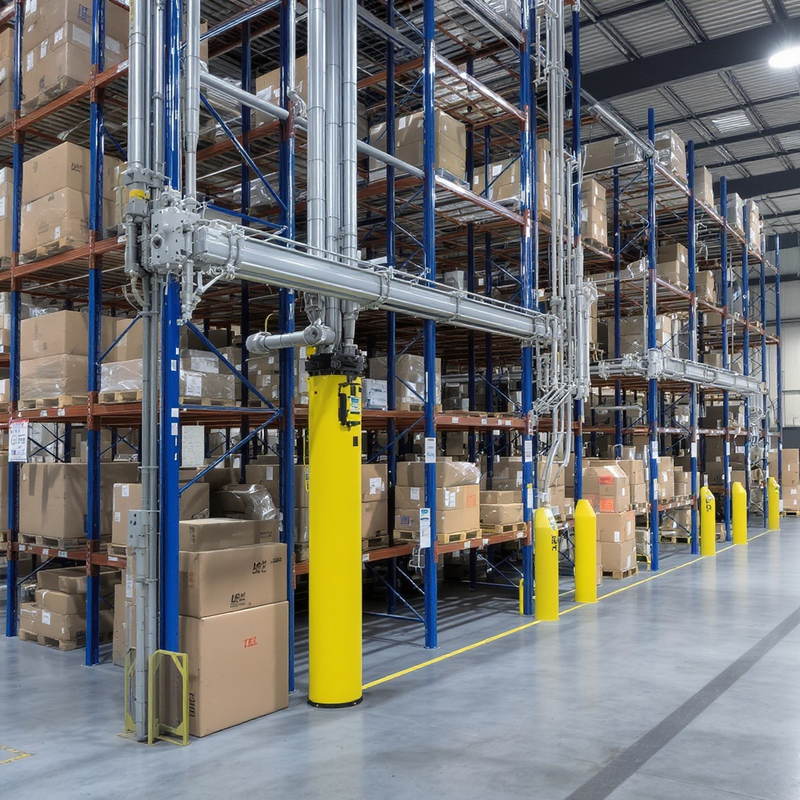
In modern warehouse management, space and capacity optimization play a crucial role. Automated high-bay warehouses offer maximum storage capacity with minimal space requirements thanks to their high-density storage and intelligent warehouse management systems (WMS). The vertical utilization of warehouse space—often reaching an impressive height of 45 meters—enables efficient use of the available space. The storage and retrieval machine, such as the GEBHARDT Cheetah® heavy, operates precisely and quickly to safely transport pallets and other large load carriers. Conveyor technology and advanced software solutions make it possible to automate warehouse processes to the greatest extent possible, which ultimately leads to a significant optimization of operations. Companies in industries such as food, pharmaceuticals, and automotive can thus design their internal processes to be agile and responsive. In addition to greater efficiency and safety, automation relieves employees of physically demanding tasks. Overall, an automated high-bay warehouse offers a future-proof solution that not only increases storage capacity but also significantly boosts the company’s competitiveness.
Logistics
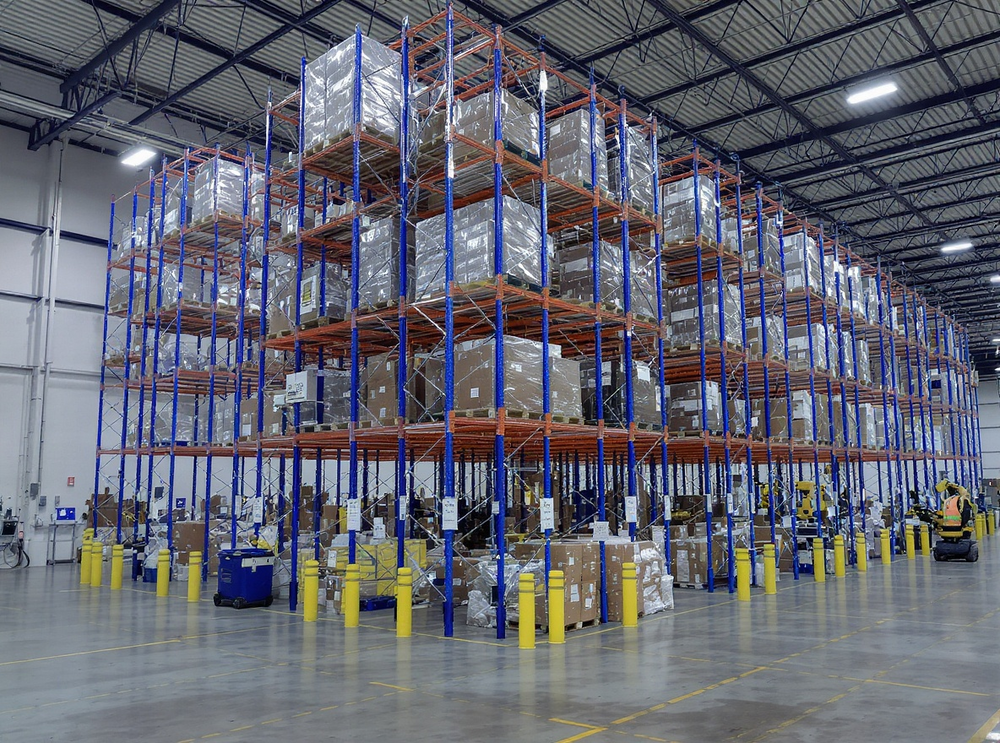
In modern logistics, automated high-bay warehouses play a crucial role in optimizing storage space and processes. These advanced solutions enable more efficient use of available space and help significantly increase the performance of logistics centers. Conveyor systems and the use of storage and retrieval machines ensure fast and precise handling of loads. Thanks to the integration of warehouse management systems (WMS), all processes—from putaway to shipment—are seamlessly orchestrated. These systems not only provide an overview of current inventory levels but also enable real-time monitoring of all logistics operations.
In industries such as the automotive, food, and pharmaceutical sectors, where precision and time are critical, automated high-bay warehouses are becoming increasingly indispensable. The use of automated solutions not only reduces human error but also shortens turnaround times, leading to increased efficiency and improved product availability. In an era where flexibility and the ability to respond quickly to market needs are essential, these logistics centers offer a clear competitive advantage.
A perfect example of the effectiveness of these systems is their use in large distribution centers where high volumes of goods must be handled. Here, the investment in automated systems pays off through a drastic reduction in operating costs and a rapid return on investment. In addition, these systems help reduce the workload on employees and improve their work environment by minimizing physically demanding tasks. With advancing digitalization and connectivity, automated high-bay warehouses can be integrated even more seamlessly into existing corporate structures, thus forming the heart of a modern logistics center.
Logistics Center
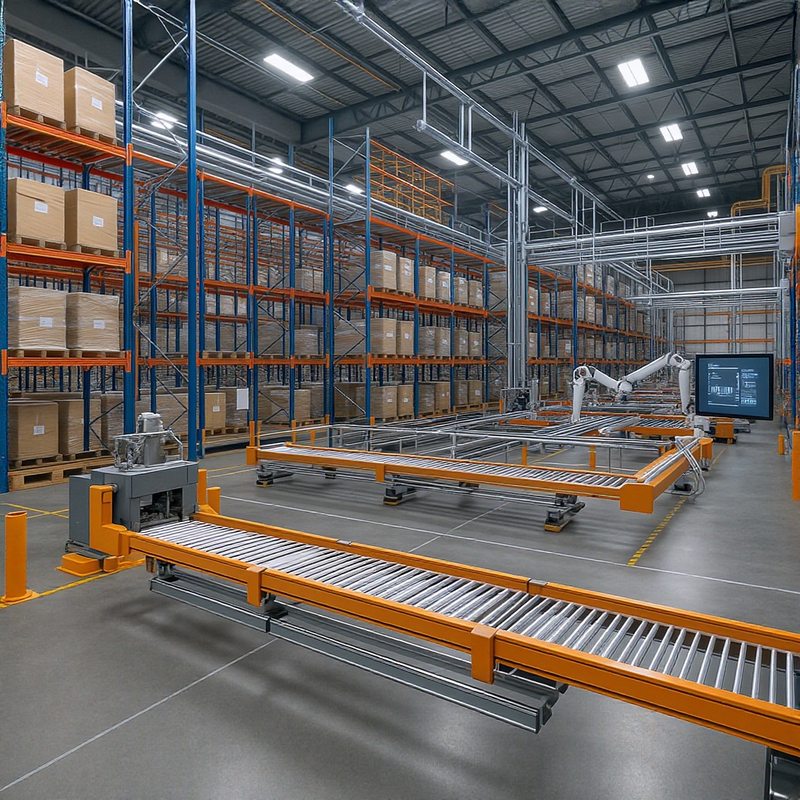
A logistics center is at the heart of modern logistics solutions and optimizes the flow of goods from production to delivery to the customer. Integrating automated high-bay warehouses can significantly increase the efficiency of the entire logistics chain. These systems use advanced conveyor technology and specialized storage and retrieval machines to ensure the smooth and rapid transport of goods. They are centrally controlled by a warehouse management system (WMS), which precisely coordinates both putaway and retrieval operations. Various industries, including the food, pharmaceutical, and automotive sectors, benefit from these innovative solutions, as they not only reduce warehousing costs but also improve delivery capabilities. A logistics center is thus not merely a warehouse but a crucial element for enhancing competitiveness in a dynamic market environment.
Logistics Planning
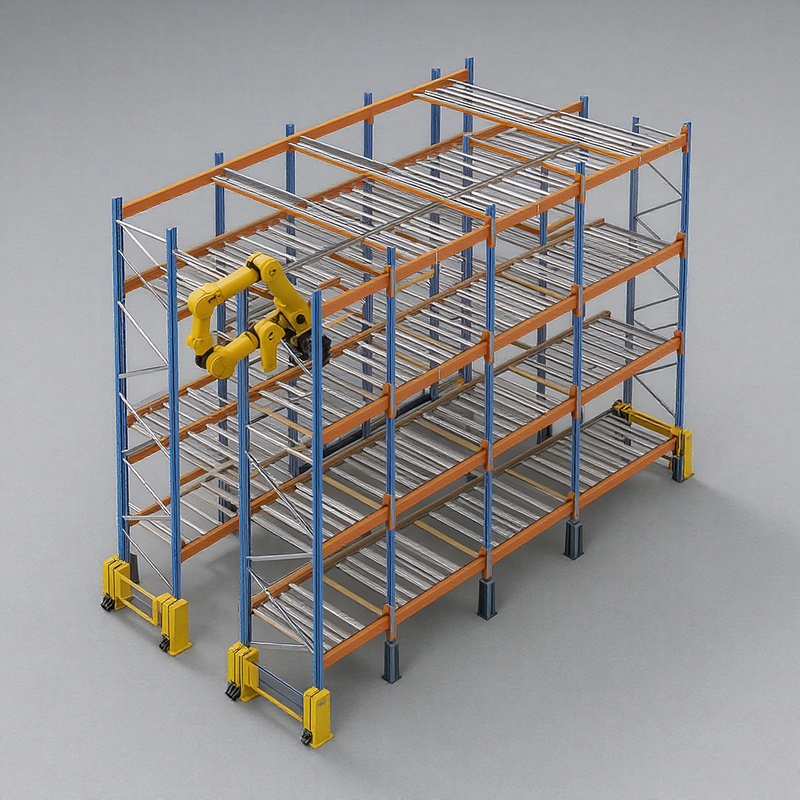
Logistics planning is a critical process aimed at maximizing the efficiency of warehouse and material flow systems. An automated high-bay warehouse plays a central role by offering high process efficiency and optimal space utilization through innovative conveyor technology and high-precision storage and retrieval machines. Software-based systems in particular, such as the warehouse management system (WMS), coordinate all processes and enable the optimization of warehouse capacity and inventory movements. By integrating such systems, companies across various industries—including manufacturing and retail—can make their logistics operations not only more efficient but also more sustainable. For example, an efficient high-bay warehouse not only reduces error rates and speeds up response times to customer inquiries, but also improves safety and working conditions for employees by automating physically demanding tasks. Thus, logistics planning becomes the key to a future-proof and success-oriented company that can adapt to the dynamic demands of the market.
Distribution Centers
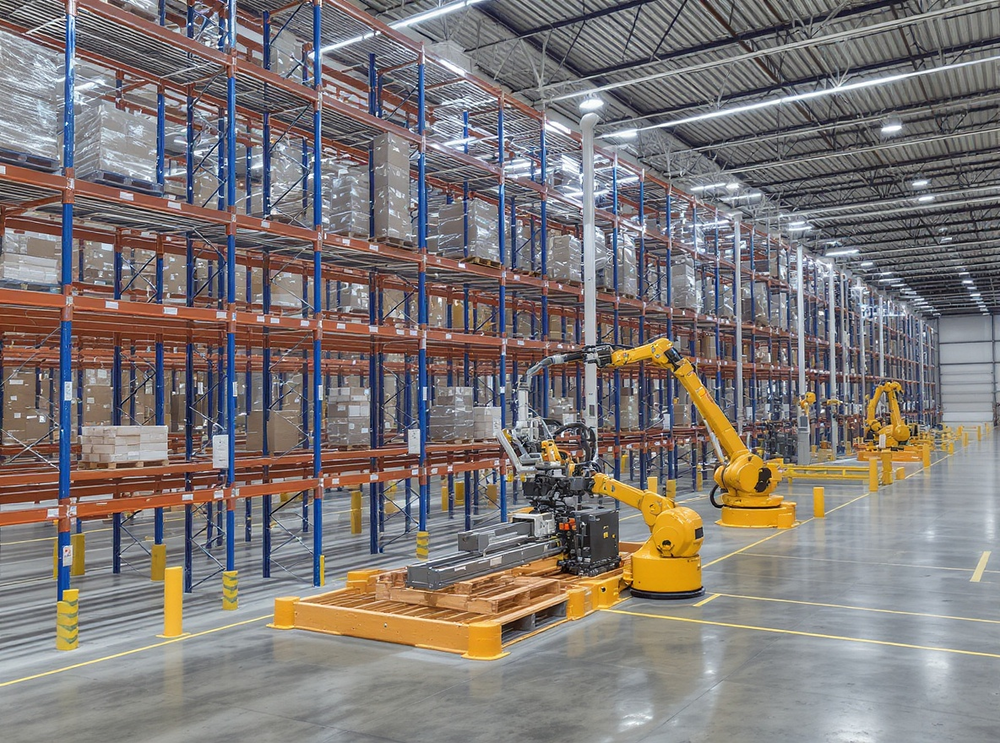
In today’s logistics landscape, distribution centers are invaluable for meeting the growing demands of global trade. These centers play a crucial role in the value chain by ensuring the smooth flow of goods between manufacturers and end consumers. An automated high-bay warehouse, equipped with state-of-the-art conveyor technology and advanced storage and retrieval machines, enables optimal use of space and maximizes operational efficiency. In addition, a well-implemented warehouse management system (WMS) ensures that all warehouse processes run in a coordinated and optimized manner. This leads to a significant reduction in the error rate in inventory management and improves process efficiency. Across various industries, from the automotive sector to food production, such centers help meet delivery deadlines and improve customer satisfaction. The implementation of distribution centers with automated solutions not only offers economic advantages but also strengthens companies’ competitiveness on a global scale.
What are the typical temperatures and environmental conditions for HRLs?
HRLs are flexible and, depending on the product, operate at ambient temperatures ranging from -30 °C to +45 °C. Deep-freeze warehouses use specialized cold storage zones, while standard warehouse areas often use standard rooms. The choice of materials, seals, and insulation affects energy consumption, condensation, and sensitivity to temperature fluctuations. Moisture, dust, temperature fluctuations, and the risk of corrosion must be taken into account. Hygiene requirements in the food and pharmaceutical industries pertain to surfaces, cleaning schedules, and cleanroom factors. Fire protection, ventilation, temperature monitoring, and emergency cooling or heating round out the system. System components such as shelving, automated storage and retrieval systems (AS/RS), and conveyor technology are designed to withstand temperature conditions while still delivering precision. Maintenance, calibration, and regular inspections ensure long-term operational safety under changing conditions. Data logging and alarm systems support early corrective action. Regularly within the company.
What industry examples illustrate the benefits of HRLs?
High-rack warehouses (HRLs) are widely used in industry, retail, and food production. Examples: Pharmaceutical manufacturers use frozen storage conditions in combined HRLs to ensure quality standards and traceability. E-commerce companies and retailers rely on high throughput rates for a wide range of items through RBG-supported pallet storage. Logistics service providers are modernizing their centers, increasing capacity in limited spaces, and reducing turnaround times. Beverage plants, automotive suppliers, and cosmetics manufacturers also benefit from flexible slotting strategies and automation. Case studies highlight ROI, reduced labor costs, improved on-time delivery, and scalability during seasonal fluctuations. Of particular note are long supply chains, where HRL ensures stable availability and reduces bottlenecks. Furthermore, reference projects enable a transparent cost structure, facilitate investment decisions, and deliver measurable efficiency gains. These examples illustrate how HRL creates competitive advantages across industries and how long-term partnerships foster trust.
What are the advantages of a high-bay warehouse in terms of space utilization and capacity?
A high-rack warehouse significantly increases capacity per square meter, as racks can extend up to several stories without losing floor space. The vertical design creates open levels, enabling storage with up to four times the depth. Aisle-type warehouses with narrow aisles maximize density, reduce travel distances, and cut transport times. Automated putaway and retrieval reduce error rates, increase availability, and enable round-the-clock operation. In addition, the technology relieves the workforce by taking over heavy, monotonous tasks. All of this leads to shorter delivery times, fewer staff required per pallet, lower energy consumption per storage unit, and significantly improved overall efficiency. Integration with the WMS prevents idle costs due to stockouts and supports predictive maintenance.
Which processes are automatically tracked in HRL (putaway, stock transfer, removal)?
In the HRL, core processes are largely automated: Goods are put away from the receiving area—often via ramps or transfer chutes—into freely selected grid-based storage locations. Stock transfer helps alleviate bottlenecks or optimize slotting by moving inventory between storage locations. Outbound operations include order picking, packaging preparation, and preparation for shipment, including load labeling. Additional processes encompass inventory management, physical inventory counts, reloading, replenishment logic, and loading equipment control. All processes are controlled, monitored, and recorded by the WMS. Shortages, downtime, or discrepancies trigger alarms. Automation minimizes manual tasks, increases safety, reduces workload, and significantly speeds up turnaround times. Picking routes are optimized, inventory locations are addressed on a slot-by-slot basis, and real-time data supports planners. Orders, priorities, and deadlines are seamlessly integrated into the planning process.
What role do SAP EWM and viadat play in HRL projects?
SAP EWM and viadat are key software components that control and monitor intralogistics processes at HRL. SAP EWM integrates warehouse processes and supports slotting, order fulfillment, shipping, batch and serial logistics, as well as ERP interfaces. As a warehouse management system (WMS), viadat complements this practical approach with specific control logic, MFS integration, work points, screens, and reports. Both systems enable seamless traceability, inventory transparency, and effective control of storage and retrieval machines, shuttle vehicles, and conveyor systems. Typical projects seamlessly integrate these systems with ERP, MES, and WMS platforms, optimizing throughput times and significantly improving planning accuracy, capacity utilization, and error rates in daily operations. Key benefits include centralized data usage, consistent process logic, upgrades without downtime, and robust security and user permissions for various user roles in warehouse operations.
How does warehouse management software (WMS) work in HRLs?
The LVS/WMS coordinates all processes in the high-bay warehouse, managing putaway, transfer, picking, and inventory management. Modern systems receive orders from the ERP, plan slotting, check availability, optimize routes, and post items in real time. Typical functions include barcode or RFID verification, inventory transparency, batch and serial number tracking, as well as alarm and exception handling. The systems communicate with RBGs, shuttles, conveyor systems, and the MES via open interfaces (APIs). An intuitive user interface supports warehouse staff, while automated dashboards provide key performance indicators such as performance, availability, throughput times, and error rates. The systems enable direct access to transparency, auditability, and optimization potential, all of which can be controlled via the RBG.
What are shuttle systems, and how do they complement automated storage and retrieval systems (AS/RS) in a channel warehouse?
Shuttle systems are modular transport vehicles that move pallets or containers between storage locations in channel warehouses. They operate in high-rack aisles, often in pairs or in multiple tiers, and enable extremely high-density storage. The shuttle moves autonomously to a channel position, picks up the goods, and delivers them to the designated stations. When used in conjunction with stacker cranes, shuttles increase storage depth, boost throughput, and reduce travel distances. In many channel storage scenarios, shuttles are used in a closed-loop system, allowing loads to be moved continuously. Coordination is handled via control systems, slotting algorithms, and PLC communication with the WMS/LVS. Advantages include high storage density, reduced employee travel distances, low energy consumption, and improved transparency of inventory movements, all of which can be controlled by the RBG.
What are stacker cranes, and how do they work in high-bay warehouses?
Automated storage and retrieval machines (ASRMs) are key automation components in high-bay warehouses. They move vertically, horizontally, or a combination of both along aisles, pick up pallets or containers, and place them in predefined storage locations. Modern RBGs feature double-mast or multi-mast designs and come standard with laser scanners, camera systems, and position sensors. Precise bay-level positioning minimizes deviations and damage. They typically follow predetermined routes controlled by the LVS/WMS based on slotting strategies. RBGs enable deep storage capacities, reliable load flow control, and reduced workload for employees, as heavy lifting and search tasks are automated. Maintenance, power supply, and emergency operating plans ensure continued operation even in the event of failures. Maintenance protocols, diagnostic interfaces, and redundant power supplies significantly increase availability while complying with legal requirements.
What types of material handling equipment are typically used in HRLs?
HRLs use a range of material handling systems that respond dynamically to throughput. Typical examples include stacker cranes for putaway and retrieval, shuttle systems for high-density aisles, conveyor belts and recirculating conveyors for just-in-time delivery, as well as load-handling systems such as pallet transport carts. In silos, channel-specific pairs of stacker cranes or rail-mounted vehicles are often used to reliably schedule loads. The selection depends on storage height, item shape, load weight, and the available layout. Modern systems link RBGs, shuttles, and conveyor technology via a central PLC or an MES/WMS, ensuring that material flows remain synchronized and capacity utilization is optimized. This results in maximum throughput rates, reduced error rates, and flexible adaptation to seasonal fluctuations, as well as easy integration into existing IT landscapes today.
What is an automated high-bay warehouse (HRL), and what are the basic principles that govern it?
An automated high-bay warehouse (HRL) is a multi-story, high-capacity storage system controlled by rack servicing machines, conveyor systems, and software. Loads are automatically stored and retrieved, and transfers between storage locations occur without manual intervention. Typical features include tall racking structures—usually ranging from 12 to 45 meters—and a close integration of storage, order picking, and shipping. The system maximizes space utilization, reduces travel distances, and minimizes errors. Key drivers include throughput, availability, traceability, and energy efficiency. Planning, implementation, and commissioning are carried out by a system integrator who seamlessly networks the stacker crane, shuttle, conveyor systems, PLC control, and WMS. Safety, maintenance, and scalability are a focus of planning from the very beginning, and costs are regularly monitored.
What industry or client references showcase HRLs' success stories?
Cross-industry case studies demonstrate the benefits of automated HRLs. Examples: Food and pharmaceutical manufacturers increase throughput and safety; trading partners achieve higher SLA levels and on-time delivery rates; manufacturers increase capacity in limited spaces. Case studies highlight ROI, lower labor costs, reduced error rates, improved inventory accuracy, and shorter delivery times. Reports mention enhanced production availability, rapid commissioning, and easy scalability. This evidence aids in investment decisions, risk assessment, and strategic planning for new logistics centers. Market studies, certifications, and customer case studies complement the decision-making process, while ROI models provide transparency. Companies benefit from verified results, improved planning processes, and benchmark comparisons with industry peers. In the long term, such evidence enables investments in new HRL projects with greater certainty and aids in stakeholder management and acceptance.
What future trends are influencing HRLs (AGVs, IoT, blockchain)?
Future trends are shaping HRLs through automated guided vehicles (AGVs), IoT applications, AI-powered analytics, and connected intralogistics. AGVs increase flexibility, reduce labor costs, and minimize operational errors. IoT sensors provide real-time data on condition, temperature, load, and energy flow, which optimizes maintenance and supports predictive analytics. AI-based route optimization, slotting decisions, and anomaly detection improve throughput and accuracy. Blockchain can increase supply chain transparency, improve transaction security, and ensure data security. Integrated platforms connect ERP, MES, WMS, PLCs, sensors, and machines into a smarter, more resilient intralogistics architecture. In the future, standardized interfaces, data protection, cyber-physical systems, and modular designs will play a central role in planning, maintenance, and operations. Companies should use prototyping to minimize risks early on and scale their operations.
How important is energy efficiency in HRLs, and what technologies support it?
Energy efficiency is key to the operating costs and environmental impact of HRLs. Opportunities for improvement include reducing empty runs, intelligent route planning, regenerative energy recovery, and optimal storage height. Technologies such as energy-optimized racking, laser or camera guidance for precise positioning, LED lighting, regenerative braking of conveyor systems, and efficient drives reduce energy consumption. Operating modes such as sensor-based idle shutdown, maintenance-based monitoring, and temperature control also contribute. Integrated WMS and PLC controls enable minimal downtime, thereby reducing energy intensity per transaction. In the long term, energy efficiency leads to lower operating costs, improves the environmental footprint, and increases the warehouse’s competitiveness. Key measures include energy audits, monitoring dashboards, benchmarking against industry standards, and training. This allows for targeted prioritization of investments and efficiently increases ROI.
What are the differences between freestanding silos and built-in storage systems?
Self-supporting silos support the roof, facade, and racking as an integrated structure, thereby reducing or eliminating the need for building construction work. Built-in storage systems require stable building structures, with racking installed within the existing building envelope. Advantages of the silo include greater building height, maximum space utilization, lower structural costs per storage location, and rapid commissioning. Disadvantages stem from limitations in design variations, difficulty in adapting to existing building structures, and increased complexity of safety systems. Built-in warehouses typically offer more flexible floor plans, easier integration into existing buildings, and simpler retrofitting. Both systems use rack servicing devices, conveyor technology, and WMS, but differ in structural requirements and construction processes. Costs, construction time, maintenance requirements, and operational continuity also vary depending on the solution chosen for each project.
How does automation affect ergonomics and workload?
Automation reduces physical strain by eliminating heavy lifting and transport tasks. Pallets are moved automatically, allowing employees to focus on tasks such as monitoring, quality assurance, or order picking at more ergonomic workstations. Teleoperated or fully automated zones minimize repetitive tasks. Nevertheless, new tasks require training, attention to safety, error detection, and system monitoring. Clear interfaces, visual displays, and alerts help keep the workload manageable. In HRLs, sick leave often decreases while productivity increases. Ergonomics is further enhanced by height-adjustable control panels, good lighting, noise reduction, and improved zone layout. Reduced fatigue increases accuracy, safety awareness rises, and training methods improve the learning curve; as a result, operational safety is visibly improved, and employee satisfaction also increases in the long term.
What challenges might arise when renovating existing warehouses?
Renovations of existing warehouses often reveal interface issues between inventory data, material handling systems, and building structures. Cost considerations, operational disruptions, delivery risks, and scheduling challenges complicate the project. Challenges arise during inventory counts, slotting restructuring, redundancies, ensuring compatibility between legacy systems and new stacker cranes or shuttles, and integrating existing ERP/MES systems. Spatial constraints, load-bearing capacity, fire safety, and structural requirements must be taken into account. Employee engagement, training needs, safety concepts, and adaptations to HACCP and GMP regulations increase the workload. A clear roadmap, risk analyses, pilot phases, and an experienced team of system integrators significantly mitigate risks. Additional challenges arise from supply chain disruptions, supplier availability, certifications, and regulatory approvals. Early planning, clear responsibilities, and budget reserves significantly improve the likelihood of success and help control costs.
What does the typical implementation process for an HRL look like?
The implementation process begins with a feasibility study, followed by conceptual and detailed planning. During this phase, the layout, racking systems, automated storage and retrieval machines (AS/Rs), shuttle systems, conveyor technology, control systems, and WMS are defined. This is followed by construction, including preparation of the infrastructure, safety systems, and building cabling. At the same time, integrations with ERP, MES, and WMS systems are planned. Commissioning includes testing, training, and customer acceptance. This is followed by the transition to regular operation, supported by technical support, maintenance plans, and optimization phases. Change management, change requests, and the commitment of all stakeholders ensure a smooth implementation, short lead times, high availability, and satisfaction at the site. Scheduling, budget control, and quality management round out the project. A structured approach facilitates supplier coordination, testing, and acceptance for all parties involved.
What are the typical ROI factors and payback periods?
ROI factors for HRLs include increased capacity per square meter, improved inventory availability, reduced staffing requirements, lower error rates, and faster delivery times. Capital expenditures consist of racking systems, conveyor systems, software, integration, training, and maintenance. The payback period is determined by savings in labor, energy, and space costs. Additionally, cost of capital, tax depreciation, government grants, and ROI metrics play a role. Risk analyses take into account operational disruptions, migration efforts, and maintenance intervals. Typically, the payback period ranges from 2 to 5 years, depending on the industry and throughput; occasionally it is shorter, and with strategic location optimization, it is often significantly faster. In addition to quantifiable benefits, the quality of planning plays a central role, including feasibility, risk mitigation, and stakeholder engagement. A realistic roadmap significantly—even dramatically—reduces cost overruns.
Which ERP/MES interfaces are important for HRL integration?
Key interfaces in HRLs include ERP, MES, and WMS integrations. Key requirements include stable APIs, data transformation, slotting information, order and shipping data, and real-time inventory management. SAP and Microsoft environments require end-to-end transparency, material master data, delivery notes, packaging information, and batch logic. MES interfaces link manufacturing with warehouse processes, enabling replenishment, production supply, and status updates. WMS communicates with RBGs, shuttles, and conveyor systems, orchestrating throughput, alerts, and maintenance. Security and authorization models control access. Open standards such as OPC UA, MQTT, or RESTful APIs facilitate migration, scaling, and future industry trends. Key benefits include a seamless process chain, consistent data accuracy, a lower risk of errors, and faster commissioning of new locations. Clear governance reduces duplicate work, simplifies audits, and ensures global regulatory compliance.
What security features are typically found in HRLs?
HRLs implement reliable safety measures that protect both people and equipment. These include physical barriers, safety fences, emergency stop switches, light curtains, and barrier gates in traffic areas. Fire and smoke detectors, sprinkler systems, automatic fire extinguishers, and smoke and heat exhaust systems safeguard the concrete slab, ductwork, and storage areas. Systems feature redundancy: dual PLCs, uninterruptible power supplies, emergency plans, and emergency cooling. Video surveillance, access controls, user authentication, and audit logs increase transparency. Maintenance and inspection routines ensure reliability. Emergency procedures, regular employee training, and clear safety and emergency guidelines help minimize risks during live operations. Additional safety aspects include power backup systems, orderly evacuation routes, regular risk assessments, and compliance with legal requirements. These measures provide long-term protection for personnel, goods, and production processes and foster a culture of safety.