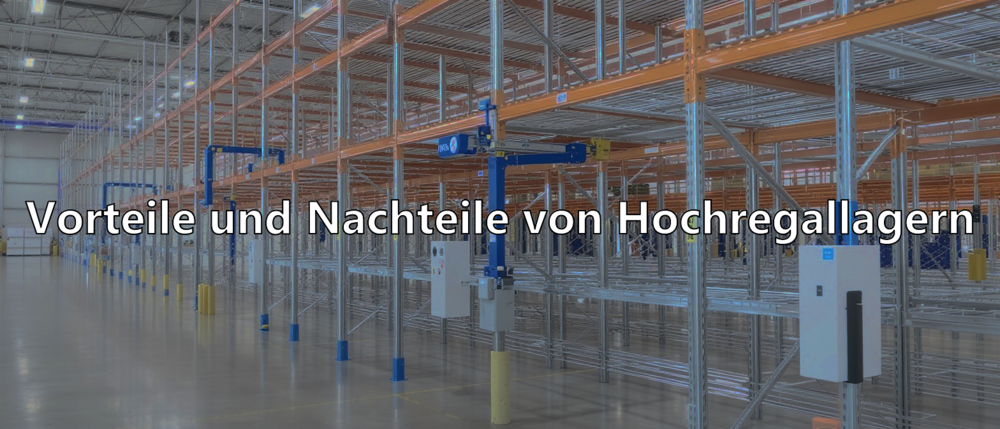
High-bay warehouses offer both significant advantages and potential disadvantages that should be carefully weighed. One of the most notable advantages is efficient use of space: Vertical storage makes optimal use of warehouse space, which is particularly crucial when space is limited. These systems also allow for the integration of automated processes, which reduce the workload and lower labor costs. High-bay warehouse structures are also capable of accommodating a wide variety of goods, from heavy materials to delicate products, making them highly versatile.
Despite their advantages, however, high-bay warehouses also present challenges. Initial investments are high, especially when automation is considered. Such systems require precise planning regarding storage capacity and technical equipment to function efficiently. Flexibility can be limited, as modifications or expansions often require considerable effort. Maintenance requirements should also not be underestimated, as these complex systems require regular inspections.
Another example of a drawback is the need for special safety precautions. High-bay warehouses must meet certain safety standards to prevent accidents. Overall, a high-rack warehouse is a solution that can demonstrate its strengths particularly when storage density and automation levels are high, but it also entails careful planning, high initial investments, and ongoing maintenance costs. Companies should therefore thoroughly weigh the pros and cons to make the best possible decision regarding their warehouse type.
More about high-bay warehouses
Table of Contents
- Advantages of High-Bay Warehouses
- High-Bay Warehouse Disadvantages
- High-Rack Warehouses: Pros and Cons
- Benefits of High-Bay Warehouses
- Cost
- Efficiency
- Investment Costs
- Optimization
- Operating Costs
- Warehouse processes
- Labor costs
- Requirements
- Warehouse Solutions
- Warehouse capacity
- Space efficiency
- Automation Potential
- Flexibility vs. Rigid Structures
- Real-World Examples
- FAQ


Advantages of High-Bay Warehouses
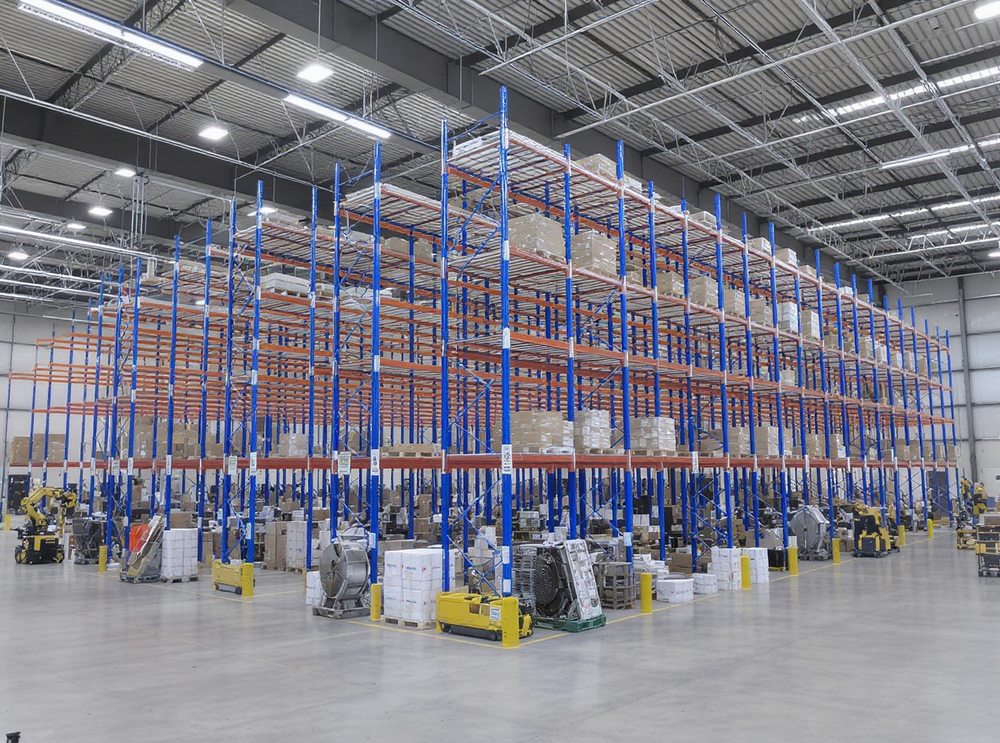
A high-bay warehouse offers numerous advantages for companies that prioritize efficient use of space and automation. Perhaps the greatest advantage is its space efficiency. High-bay warehouses make it possible to make optimal use of a warehouse building’s height by storing goods on tall, stable racks that extend nearly to the ceiling. This reduces the space required in width and maximizes the available storage space. In addition, high-bay warehouses offer automation potential that can optimize warehouse management and make labor-intensive processes—such as order picking—more efficient. Automated systems enable fast and precise storage and retrieval, which shortens turnaround times while minimizing the error rate.
Another advantage is the flexibility of the warehouse structure. Although high-bay warehouses are often perceived as inflexible, they can be tailored to a company’s specific needs through custom adjustments to rack height and layout. This makes it possible to efficiently store a wide variety of goods, ranging from heavy industrial goods to sensitive products.
In addition, high-bay warehouses promote greater safety through automated processes, as goods are less exposed to human handling, thereby reducing the risk of workplace accidents. Real-world examples demonstrate how companies in industries such as automotive and logistics have been able to significantly increase their storage capacity using this type of warehouse, while simultaneously reducing personnel and operating costs.
Automation Potential and Process Optimization
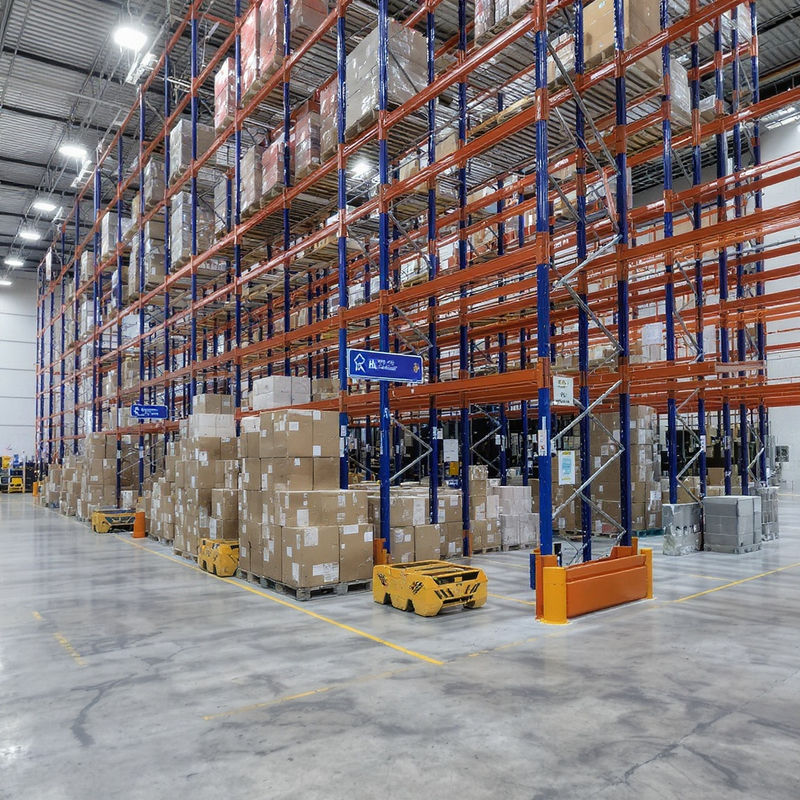
In today’s warehouse logistics, high-bay warehouses —as automated systems—play a key role in increasing efficiency and optimizing processes. Such warehouses offer extensive automation potential, particularly when handling large volumes of goods in a very limited space. The use of automated storage and retrieval machines and intelligent warehouse management systems not only maximizes space efficiency but also significantly increases the speed of putaway and retrieval processes. These systems reduce human error and enable precise control of inventory levels, leading to improved warehouse quality. Another clear advantage is the reduction in labor costs, as fewer manual interventions are required. Despite advantages such as increased efficiency, however, high-bay warehouses also present certain challenges. These include the need for comprehensive planning and the high initial investments required for the procurement and integration of automated technologies. It is also important to note that the trade-off between flexibility and rigid structures is a key consideration, as changes to the existing layout or technical systems can be costly. Therefore, it is crucial to weigh the potential benefits against these challenges in order to realize the full potential of such warehouse solutions.
Vertical Use of Space
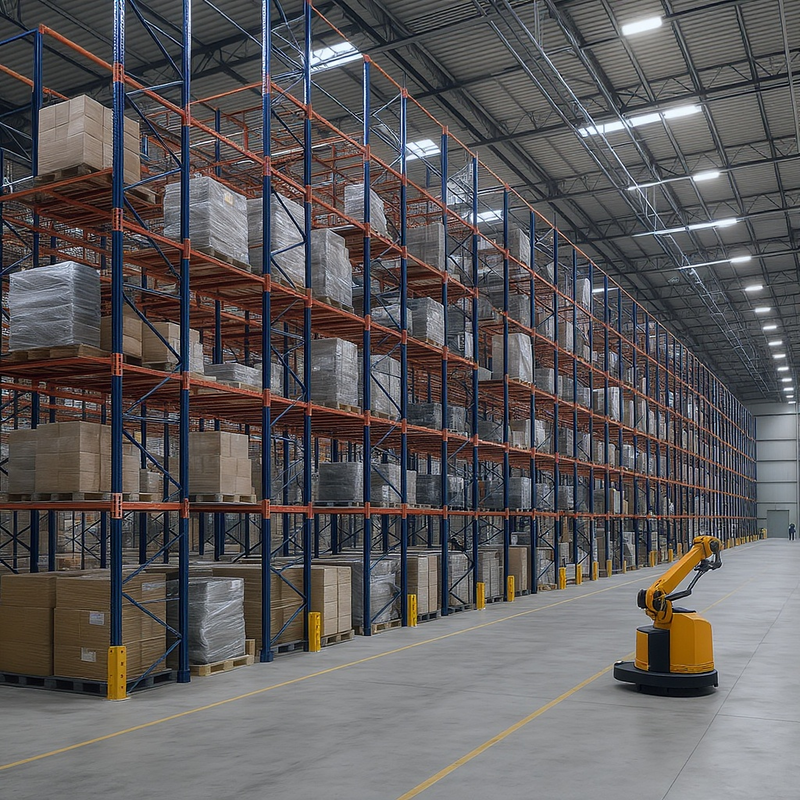
Vertical space utilization is a key feature of a high-bay warehouse, enabling companies to make efficient use of available space. By maximizing storage capacity vertically, this system achieves higher storage density without requiring additional floor space. This significantly improves space efficiency. Especially when combined with automation capabilities, a high-bay warehouse can further increase efficiency by optimizing workflows and accelerating order-picking processes. High-bay warehouses are flexible in design and can be adapted to a company’s specific requirements. This allows for customization to accommodate various types of goods and storage needs. Nevertheless, the rigidity of such a system also has drawbacks: Existing structures can often be modified only with great effort. Practical examples show, however, that the flexibility in height compensates for many of the rigid structures found in other types of warehouses by creating much more storage capacity within a limited floor area. In summary, the effective use of vertical space offers significant advantages for high-bay warehouses, both in terms of space savings and the potential for increased efficiency.
Disadvantages of High-Bay Warehouses
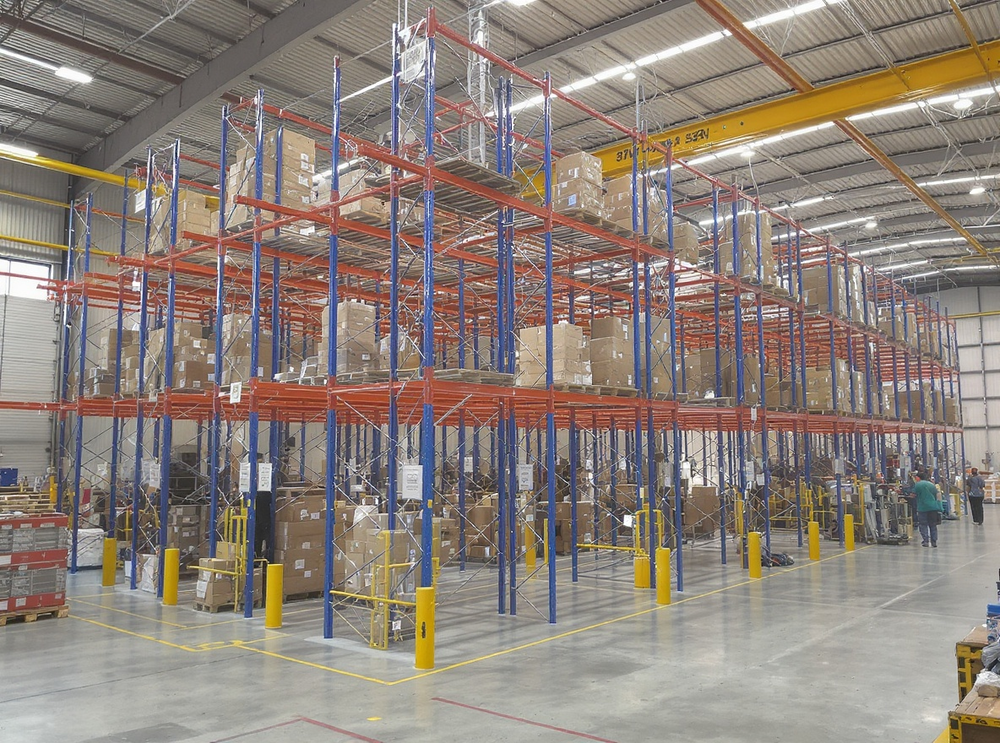
Although high-rack warehouses are considered an efficient way to make optimal use of storage space, they also come with significant drawbacks. One of the biggest drawbacks of high-rack warehouses is the high upfront investment cost. Setting up and installing such systems requires a substantial financial outlay, especially when automated systems are considered. In addition, precise planning is required to coordinate storage capacity, accessibility, and technology, which entails additional planning costs. Another drawback is limited flexibility. Once built, high-rack warehouses are difficult—and often costly—to adapt or expand. In practice, it often turns out that automation potential cannot be fully realized, which can lead to suboptimal utilization. High-bay warehouses also entail increased monitoring and maintenance requirements. Regular inspections are necessary to ensure the reliability of these complex systems. Finally, high-bay warehouses are subject to specific safety requirements, particularly when it comes to storing heavy loads, which can pose an increased risk of accidents. Nevertheless, it is possible to implement an efficient and safe warehouse solution through careful planning and consideration of these challenges. It is advisable to analyze real-world examples in advance to identify the appropriate solution and avoid potential pitfalls.
Complex Planning and Maintenance
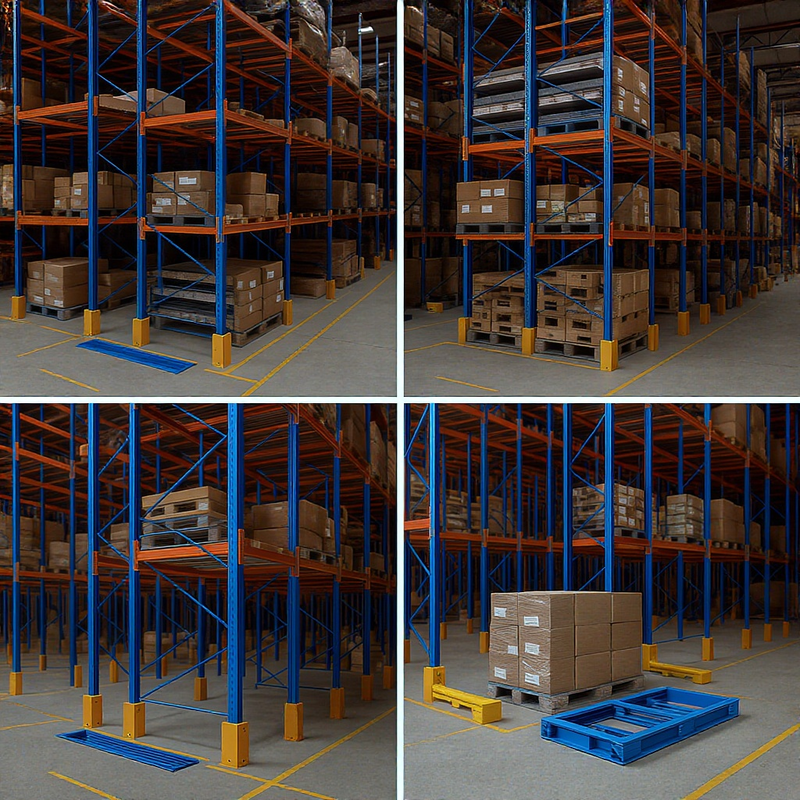
Planning and maintaining a high-bay warehouse are challenging tasks that place significant demands on a company’s resources. From the outset, designing the warehouse requires precise and forward-looking planning to ensure efficiency and safety. The decision regarding the appropriate type of automation, the layout of the racks, and the integration of conveyor systems must be carefully considered and tailored to the company’s specific needs. While such space-efficient systems offer immense potential for automation, they also require regular inspections and maintenance to ensure smooth operation. Complex control software and technical components make it necessary to employ trained specialists for continuous monitoring. Here, the flexibility of a high-bay warehouse quickly proves to be limited, as even minor adjustments often require extensive measures. Additionally, obstacles can arise from unforeseen technical malfunctions, which can have far-reaching consequences in a warehouse system. Despite these challenges, a properly maintained high-bay warehouse remains an impressive solution for companies that prioritize efficiency and optimized warehouse processes.
High investment and construction costs
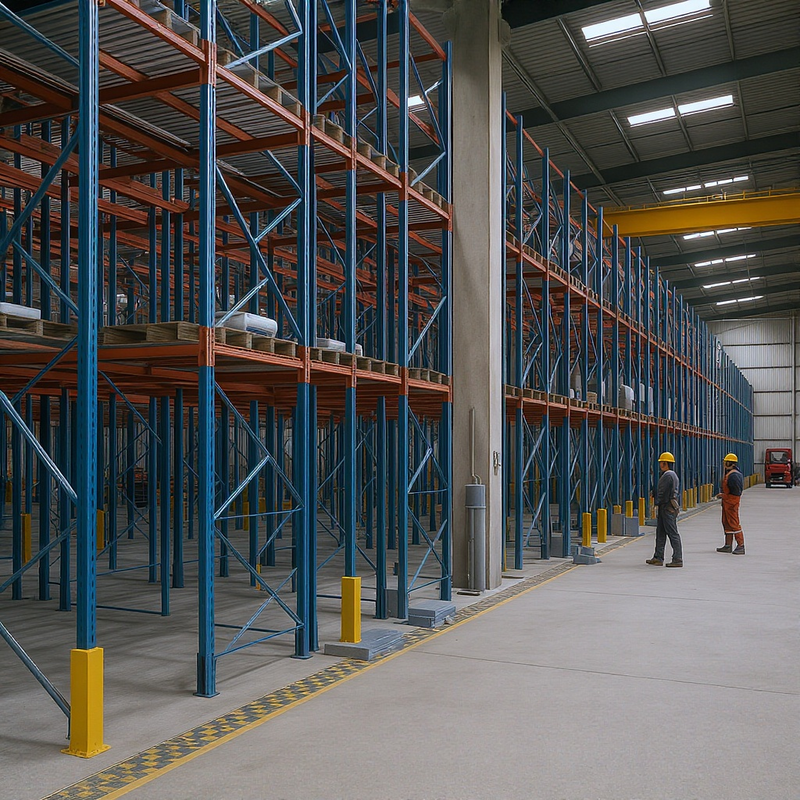
A major drawback of high-bay warehouses is the high investment and construction costs. The initial investment for such a storage system is substantial, as the construction of multi-story racking structures requires a stable and durable solution. The materials required—usually steel—are very expensive, as are the specialized conveyor systems needed to move goods to these heights. Another factor that should not be overlooked is floor preparation, as the floor must have a high load-bearing capacity to safely support the weights. In addition, there are high costs associated with implementing automation systems, which are essential for increasing efficiency and ensuring safe goods handling. These costs are compounded by the need for trained personnel required to operate and maintain the technical systems. Although the long-term benefits in terms of space efficiency and automation potential are attractive, the initial expenses represent a significant financial burden that can pose a challenge for many companies.
High-Bay Warehouses: Pros and Cons
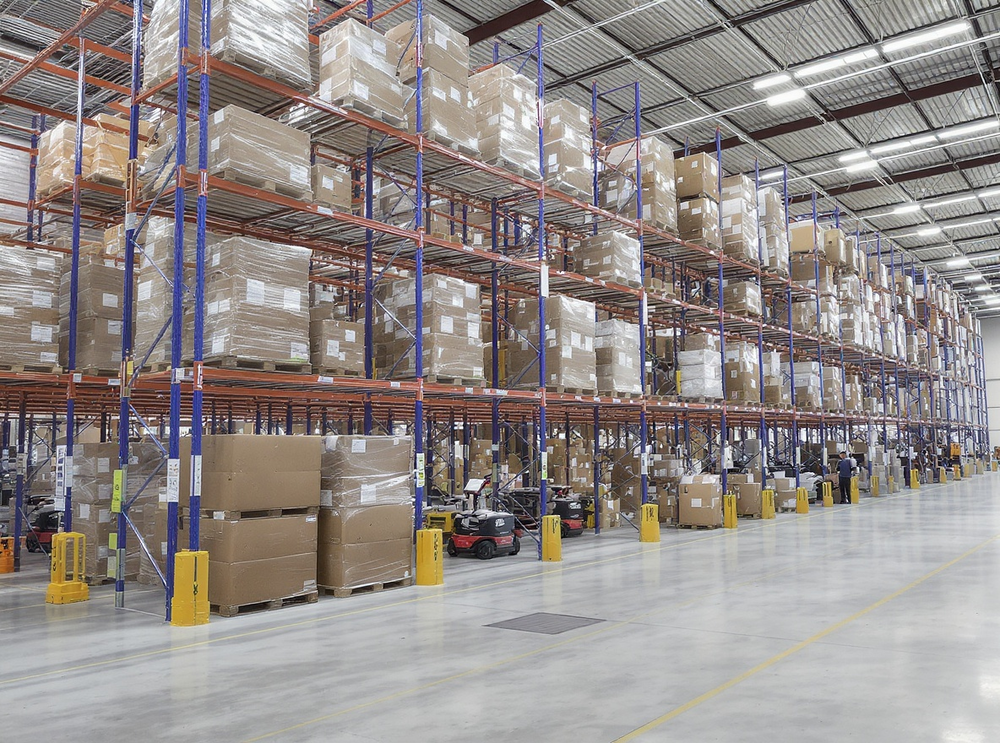
A high-bay warehouse offers significant advantages due to its efficient use of space. This type of warehouse makes optimal use of vertical space, which typically allows for a doubling of storage capacity. In addition, they offer significant potential for automation, which, through modern technology, can speed up storage and retrieval operations and reduce labor costs. Companies with limited floor space, or those that require warehouses with large capacities and high throughput, often benefit from this the most.
However, there are also some disadvantages to using high-bay warehouses. The initial investment costs are high, which can pose financial challenges, particularly for smaller businesses. Furthermore, the structural planning of such a warehouse is complex and requires very precise coordination of the technical components.
Another key consideration is flexibility compared to conventional warehouse systems. A high-bay warehouse often offers less leeway for spontaneous adjustments, which can make it difficult to adapt to rapidly changing market conditions. Finally, ongoing maintenance and inspection efforts are necessary, which incur additional costs.
Therefore, it is essential to conduct a detailed analysis of storage requirements and careful planning in advance. In particular, companies should evaluate the type of goods to be stored and the requirements for turnaround times and warehouse hygiene. Striking the right balance between the advantages and disadvantages within one’s own operational structure will be decisive in determining whether a high-bay warehouse proves to be the optimal solution.
Counterarguments
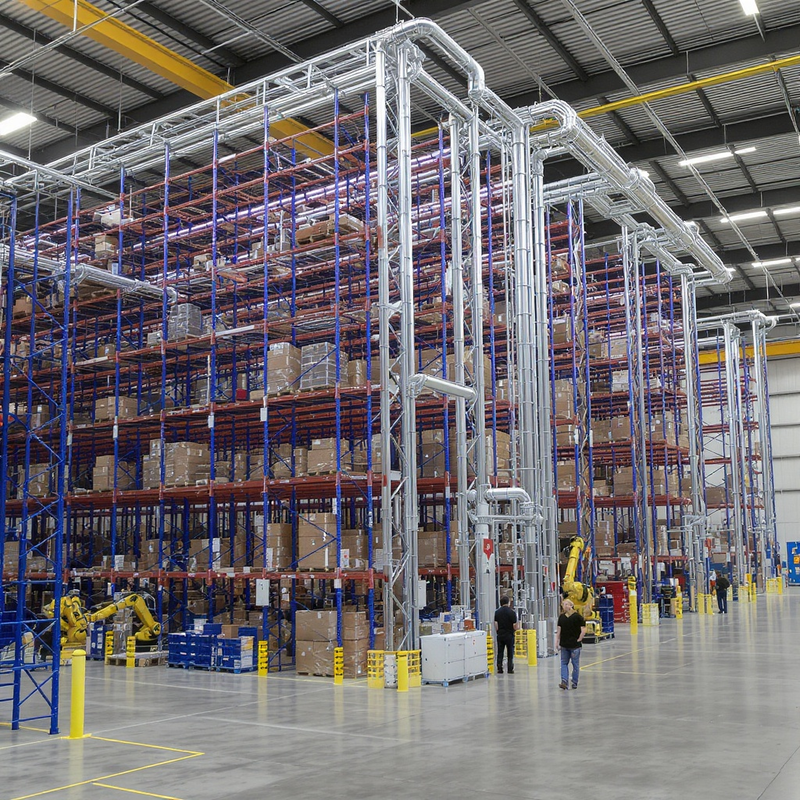
Although high-bay warehouses offer many advantages, they are not without significant drawbacks. One of the most significant drawbacks is the high investment required for construction and implementation. Due to their complex design, the initial costs are considerably higher than those of conventional warehouse solutions. In addition, automation often requires advanced systems, which entail additional financial burdens. Furthermore, the flexibility for adapting high-bay warehouses can be limited. Once structures are built, they are rigid, and their modification or expansion can be costly and time-consuming. Furthermore, a high level of maintenance is required, as the technologies need regular upgrades and inspections to ensure their efficiency and safety. In the event of a technical failure, a high-bay warehouse can come to a complete standstill, which can lead to significant operational downtime without an adequate backup strategy. Finally, high-bay warehouses require special safety precautions, as the tall structures pose an increased risk of accidents. This makes comprehensive safety measures essential, which further increases operating costs.
Arguments in Favor
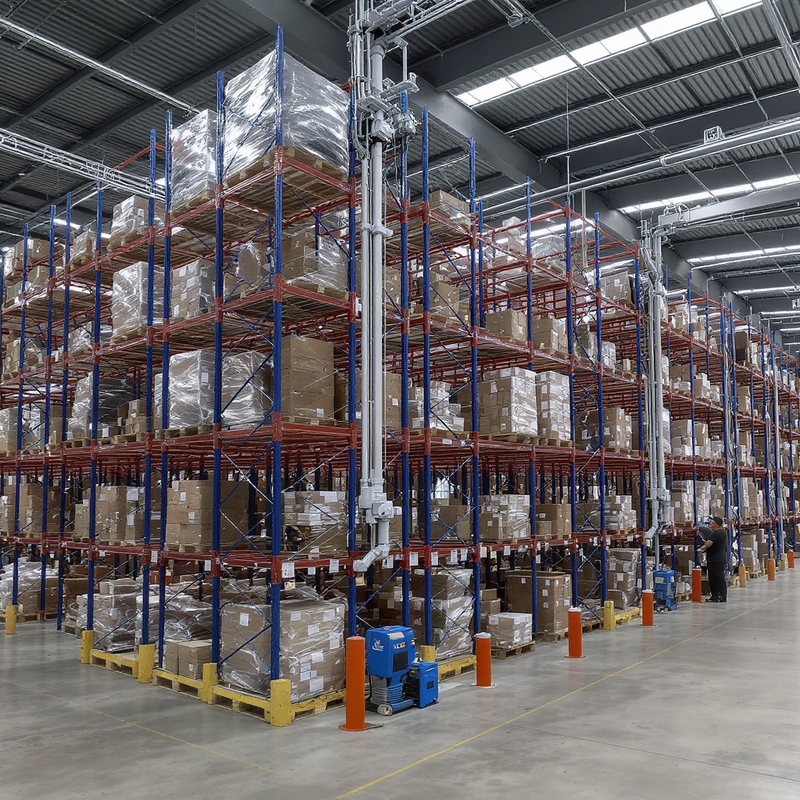
High-rack warehouses offer numerous advantages that make them an attractive option for modern warehousing solutions. One of the most notable advantages is space efficiency. These storage systems make optimal use of vertical space, allowing more goods to be stored within the same floor area. This is particularly advantageous when available space is limited. Another key advantage is the potential for automation that high-bay warehouses offer. They enable the integration of automated warehousing and management technologies that not only save time but also increase process reliability and reduce errors. In addition, due to their design, high-bay warehouses can generally be flexibly adapted to specific requirements. For many companies, the ability to customize racks and their layout to optimally suit their internal operational conditions offers an additional benefit. Real-world examples from the logistics industry show that high-bay warehouses are particularly advantageous for companies with high inventory turnover and a broad product range. They not only maximize efficiency and capacity but also sustainably improve warehouse processes.
Benefits of High-Bay Warehouses
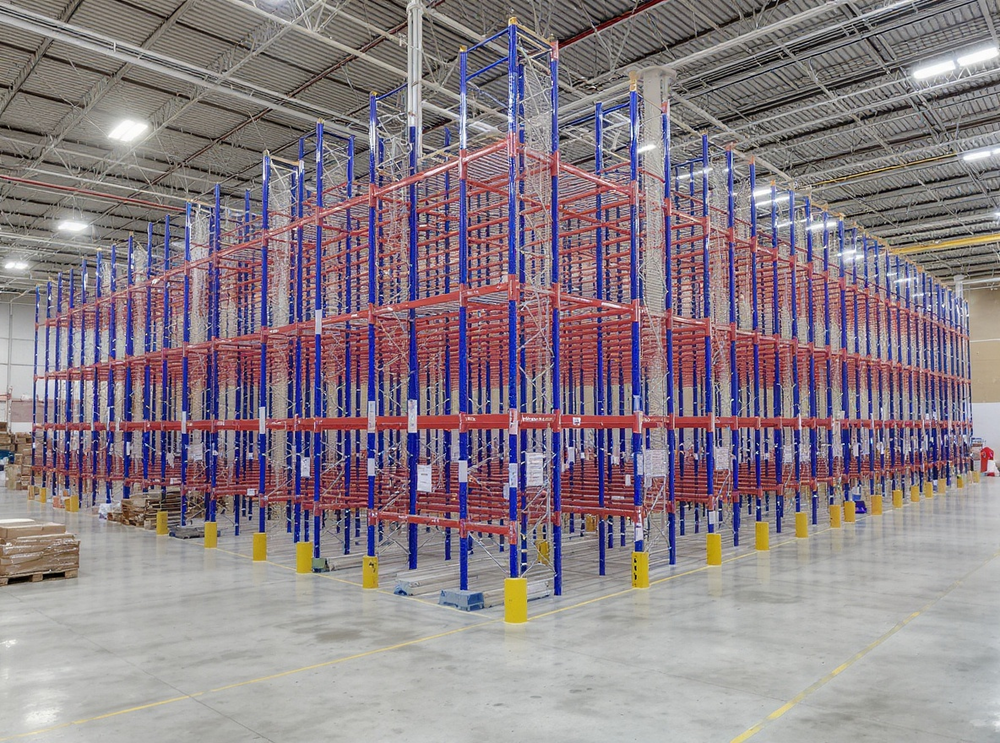
A high-rack warehouse offers companies significant advantages through its efficient use of space. By making optimal use of vertical space, it allows for the storage of large quantities of goods within the same floor area. This space efficiency helps minimize the need for additional storage space and thus saves costs. Another benefit of high-bay warehouses lies in their potential for automation. Through the use of advanced technology and warehouse management software, processes can be automated, which can lead to significant time and cost savings. Automated systems enable more precise and faster putaway and retrieval, which optimizes workflows and minimizes errors. In addition, high-bay warehouses offer a high degree of flexibility in customizing the racking to meet a company’s specific requirements, even though their structure may often appear rigid. A real-world example illustrates this: An automotive supplier uses a high-bay warehouse to efficiently organize both large inventories for just-in-time production and a wide range of smaller components. Despite the initial investment costs for construction and technology, the benefits of high-bay warehouses are evident in increased productivity and reduced labor costs resulting from optimized workflows.
Increased Efficiency and Throughput
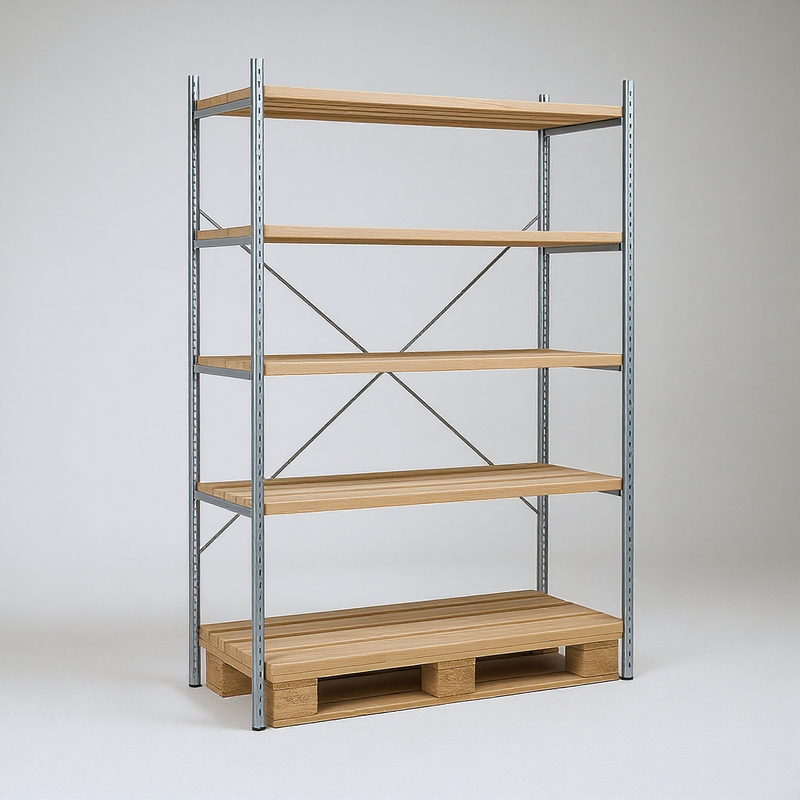
High-bay warehouses significantly increase efficiency and throughput by maximizing the use of vertical storage space. This warehouse solution enables significant space efficiency by building upward, thereby saving floor space. The integration of automation capabilities further contributes to the optimization of work processes, as automated systems significantly speed up warehouse management and order picking. The implementation of automated storage and retrieval systems reduces the need for manual labor while minimizing error rates, which contributes to the smooth flow of putaway and retrieval processes. Although high-bay warehouses rely on rigid structures during the planning phase, they still offer flexibility that makes it possible to store various types of goods efficiently. In practice, it is evident that companies with a wide variety of products or high inventory turnover benefit particularly from such systems. Ultimately, it can be concluded that high-bay warehouses represent a key pillar in the optimization of warehouse processes and can thus make a significant contribution to value creation within the company.
Warehouse Capacity Expansion
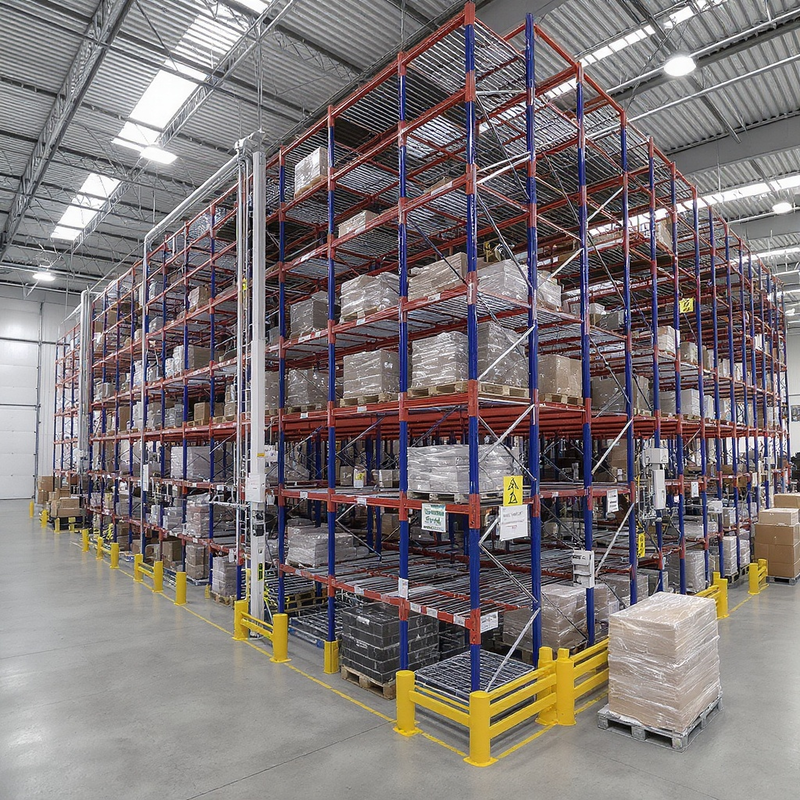
Expanding storage capacity with a high-rack warehouse offers significant advantages for companies that want to make optimal use of their available space. Thanks to the space efficiency of these storage systems, vertical space is utilized to the fullest, enabling space-saving storage within the same floor area. High-bay warehouses are ideal for increasing storage capacity, especially when demand is rising and floor space is limited. They also offer automation potential that significantly reduces not only the workload but also labor costs. Nevertheless, when deciding to implement high-bay warehouses, it is important to consider the balance between flexibility and the often rigid structures of these systems. However, real-world examples show that many companies have been able to reduce their warehousing costs while simultaneously optimizing their logistics processes by implementing high-bay warehouses. These systems offer high efficiency in warehouse management and can be adapted to a company’s specific requirements as needed, making them a valuable investment in the future of warehousing.
Costs
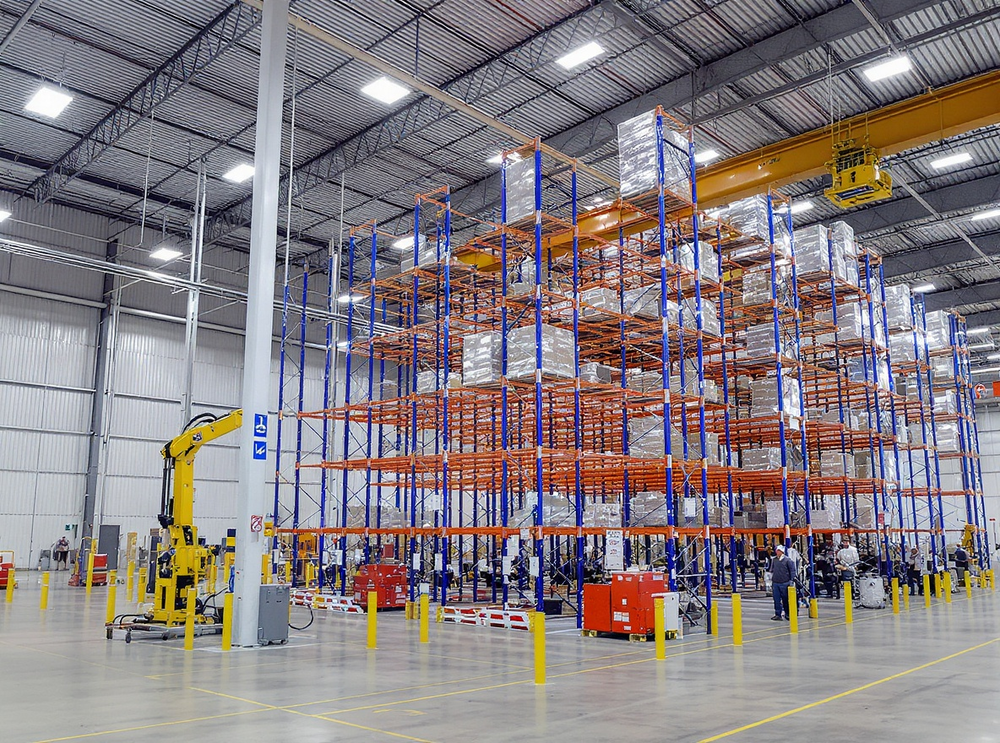
When considering the costs of high-bay warehouses, several key factors come into play. First, the capital costs for construction and implementation are remarkably high. These include not only the structural costs for the racking itself but also the technological infrastructure required to take full advantage of automation. Costs add up particularly quickly in fully automated facilities, as specialized hardware and software integrations are necessary. Despite the high initial expenses, a high-bay warehouse offers significant cost savings in terms of space utilization due to its excellent space efficiency —it enables vertical storage and thus better use of available warehouse space. Furthermore, automation reduces the need for manual labor, which ultimately lowers long-term operating costs. However, maintenance costs must also be taken into account, as modern technology requires regular inspections and updates. While this results in a significantly higher initial cost burden, these expenses are generally offset by efficiency gains and savings on labor costs. Finally, the balance between flexibility and the rigid structures of such a specialized warehouse system should be considered to ensure that the investment provides sustainable added value. High-bay warehouses can therefore be particularly cost-effective in scenarios with high throughput and limited space, where their efficient use of space and potential for automation represent a decisive advantage.
Ongoing Operating Costs
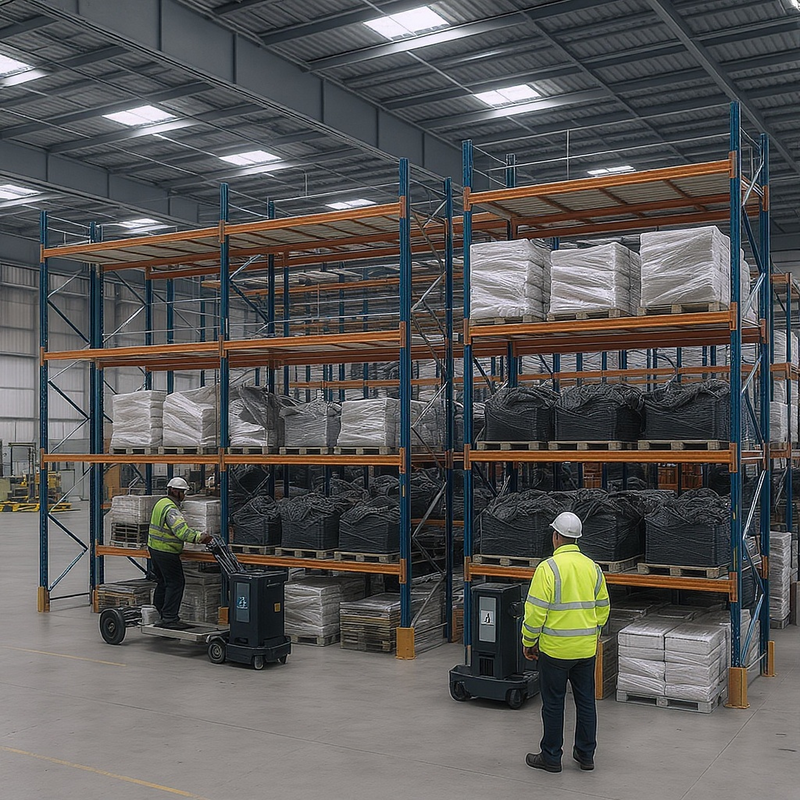
The ongoing operating costs for high-bay warehouses can pose a significant financial challenge. Despite the considerable space efficiency and automation potential that a high-bay warehouse offers, regular expenses are required to maintain operations. These include costs for maintenance and repairs of the automated systems, which are necessary to ensure smooth operations. Depending on their design, high-bay warehouses can also incur higher energy costs, particularly if climate control is required to store certain goods. In addition, skilled personnel familiar with the complex technology are required. This need contributes to the fact that, despite a reduced workforce due to automation, labor costs remain significant. In addition to basic operating costs, companies should also consider the long-term value of such investments, as flexible management and innovative adaptations are necessary to remain competitive in a constantly changing business environment.
Capital Expenditures
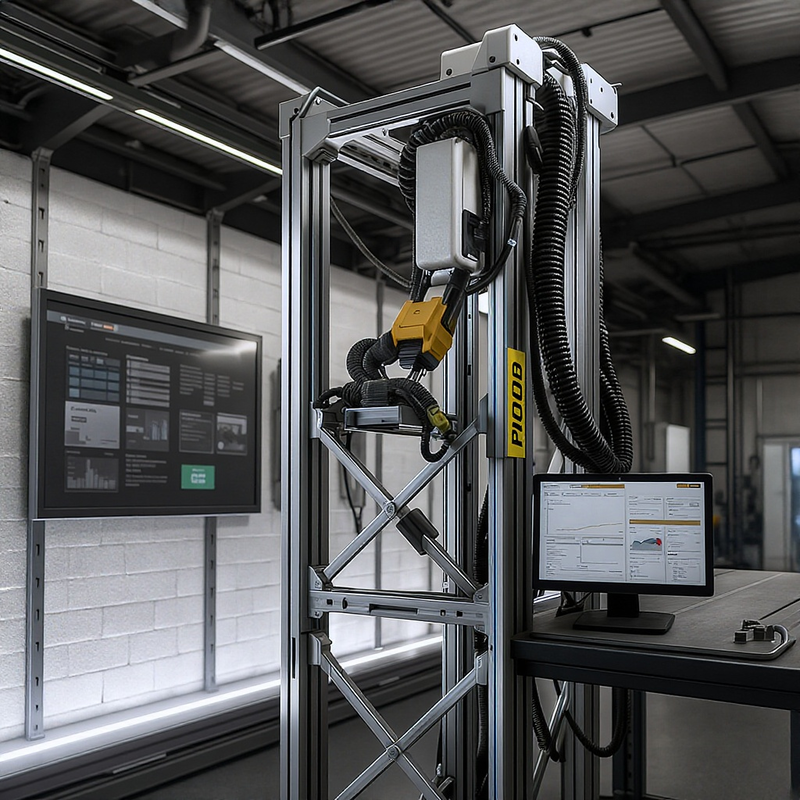
The investment costs for high-bay warehouses are a significant consideration when implementing such systems. While high-bay warehouses offer certain advantages due to their vertical use of space, the initial costs for construction and equipment can be substantial. These costs include not only the purchase of the racking infrastructure but also the integration of automated systems that enable highly efficient use of space and optimized workflows. Despite the high initial investment, the long-term savings from reduced labor costs and increased efficiency can offset these expenses. The flexibility of these warehouse systems—especially when automated components are integrated—can also significantly improve operational processes within a company. Nevertheless, a thorough assessment should be made to determine whether the benefits of such an investment outweigh the initial financial burden, particularly with regard to specific warehouse requirements and expected inventory turnover. In many cases, a detailed cost-benefit analysis is advisable to assess the viability of the investment and make the best decision for the company. Ultimately, proper planning can also maximize the benefits of a high-bay warehouse over the long term.
Efficiency
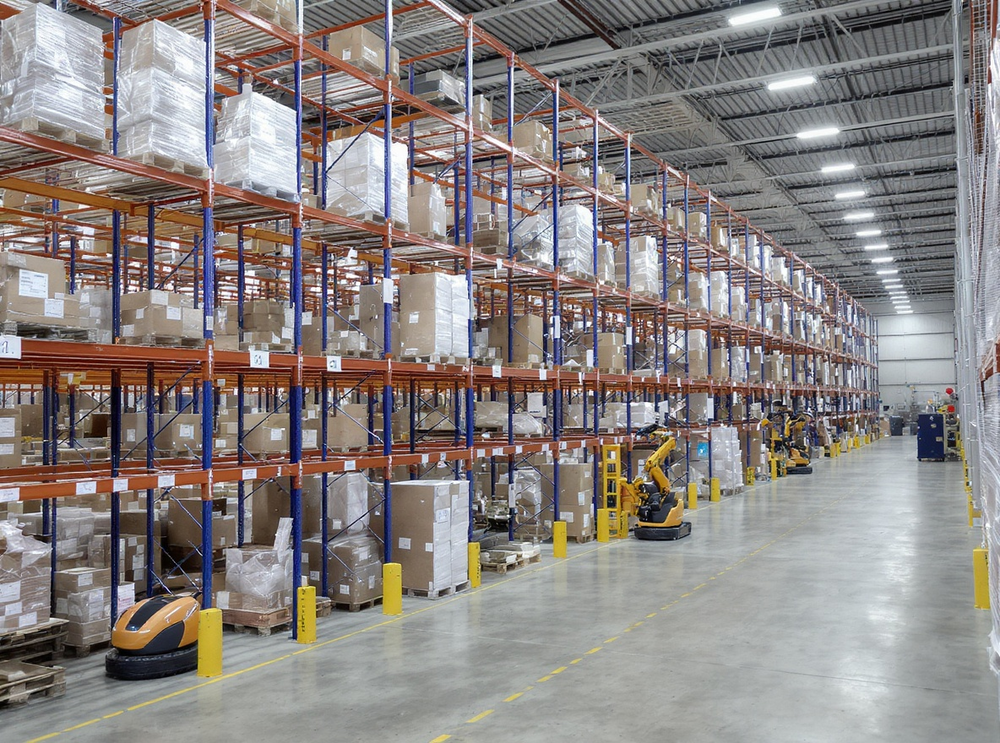
The efficiency of high-bay warehouses is evident in their ability to make optimal use of available space and speed up work processes. Vertical storage maximizes space efficiency, which is a crucial advantage, especially for companies with limited space. High-bay warehouses often incorporate automation capabilities that significantly simplify the storage and retrieval of goods and minimize turnaround times. These automation options enable precise control of order-picking processes, thereby significantly reducing labor and personnel costs. One example of this is the use of automated storage and retrieval systems, which place goods quickly and accurately at their destinations. Compared to conventional warehouse systems, high-bay warehouses thus offer greater efficiency and contribute to increased productivity. However, it is important to note that the initially rigid structures of such a warehouse require flexibility, and careful planning is necessary to ensure potential room for adjustments. Nevertheless, this efficiency is also illustrated by real-world examples in which companies have achieved significant cost savings and performance improvements by optimizing their warehouse structure and making effective use of automation. Overall, high-bay warehouses are an essential element of modern warehouse management; their efficiency helps companies optimally manage resources and gain a competitive edge.
The Role of Conveyor Systems and Storage and Retrieval Machines
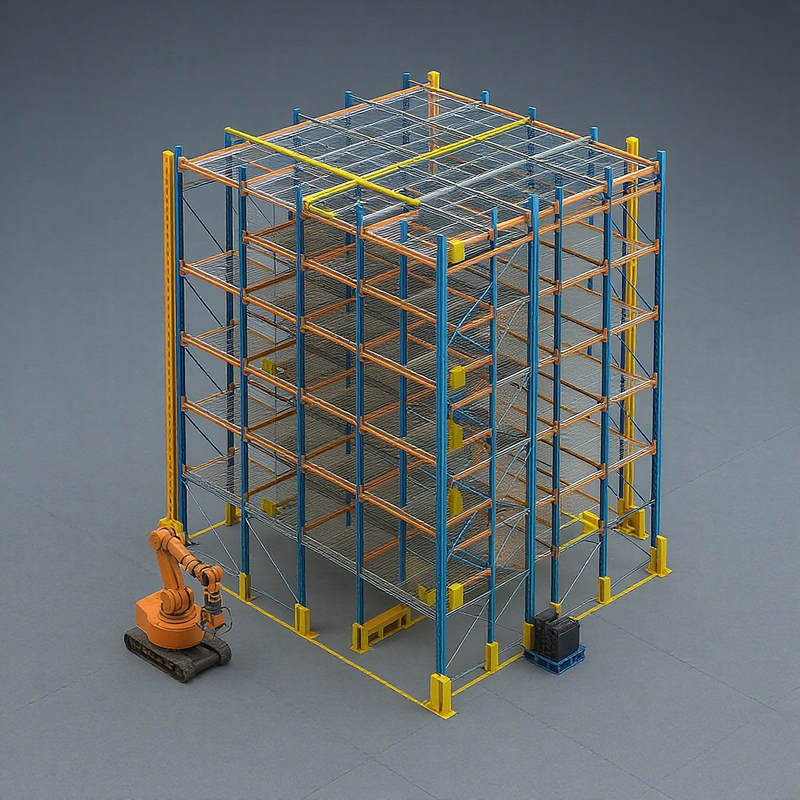
Material handling systems and storage and retrieval machines play an indispensable role in modern high-bay warehouses to maximize warehouse efficiency. The layout of the racks allows for the use of specialized conveyor systems that can quickly transport goods across different levels. This technology increases space efficiency by supporting vertical storage and making optimal use of the available space. In addition, the automation of storage and retrieval machines offers significant potential. They enable precise and fast order picking, which not only saves time but also reduces the error rate. Flexibility, however, poses a challenge, as existing structures are often rigid and require extensive modifications when adjustments are needed. In practice, these advantages are particularly evident in logistics centers that rely on a high goods turnover rate. Here, rapid storage and retrieval can significantly increase efficiency and thus reduce operating costs. Despite the high investment costs, automated systems offer long-term savings in labor and contribute to safety by reducing the risk of workplace accidents. Overall, conveyor systems and storage and retrieval machines are essential for optimal efficiency in high-bay warehouses.
Throughput and Space Optimization
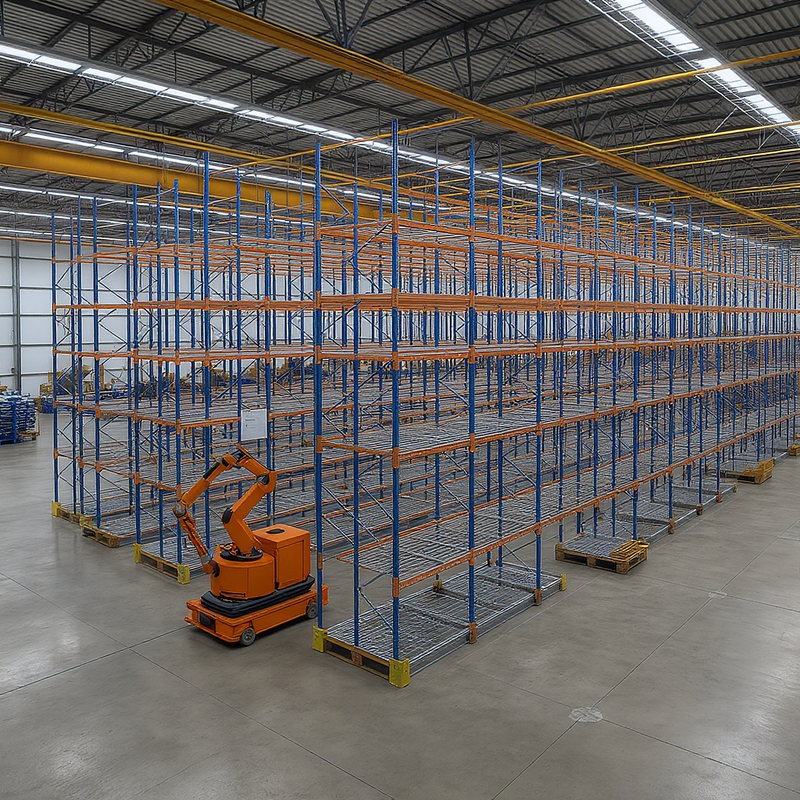
A high-rack warehouse offers significant efficiency advantages, particularly in terms of throughput and space optimization. By utilizing storage space vertically, space is maximized, allowing companies with limited floor space to significantly increase their storage capacity. Thanks to modern automation technologies, warehouse processes can also be made more time-efficient. Automated systems ensure fast and accurate storage and retrieval of goods, leading to a significant reduction in turnaround times. At the same time, these systems enable precise inventory management, thereby increasing the overall efficiency of the warehouse. Space efficiency is maximized through the use of highly advanced racking systems, which is particularly advantageous in industries with a wide variety of goods. Despite the advantages that a high-bay warehouse offers in terms of throughput and space optimization, the flexibility of such warehouse facilities is somewhat limited compared to more traditional approaches. While the automation process may involve high initial investment costs, these are offset by long-term efficiency gains and cost reductions, particularly in labor costs. For example, leading companies in the automotive industry use high-bay warehouses to optimize their just-in-time supply chains.
Capital Expenditures
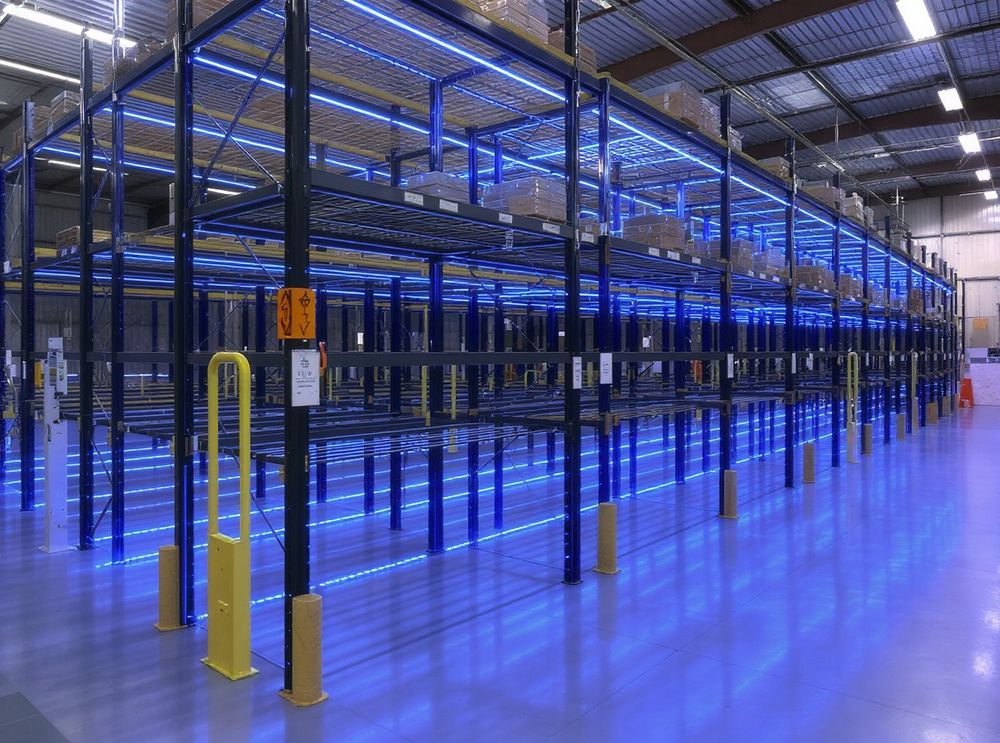
The investment costs for a high-bay warehouse are a significant factor that must be taken into account during planning. These costs can be considerably higher than those for conventional warehouse systems, as the construction of a high-bay warehouse requires specialized materials and technologies. Despite the higher initial expenses, a high-bay warehouse offers long-term economic advantages because it significantly increases space efficiency. By utilizing vertical storage space, floor space is optimized, which is particularly advantageous in areas where space is at a premium. Another aspect that must be considered in investment costs is automation. An automated high-bay warehouse can significantly increase the efficiency of warehouse processes by speeding up the storage and retrieval of goods. This can reduce labor costs in the long term. Furthermore, the flexibility of such systems is important: automated and modular high-bay warehouses can often be adapted to changing requirements more easily than rigid, manual systems. However, payback periods for these investments vary widely and depend on the individual design and use of the warehouse system. Companies should therefore conduct a comprehensive analysis of capacity utilization and specific requirements before investing in a high-bay warehouse. A successful real-world example demonstrates that investments in a well-designed, automated warehouse solution pay off in the long term by not only reducing warehouse costs but also improving service quality through lower error rates and faster inventory turnover. Overall, building a high-bay warehouse requires precise planning that takes into account both current and future storage requirements in order to fully realize the benefits and justify the investment costs.
ROI and Cost-Effectiveness
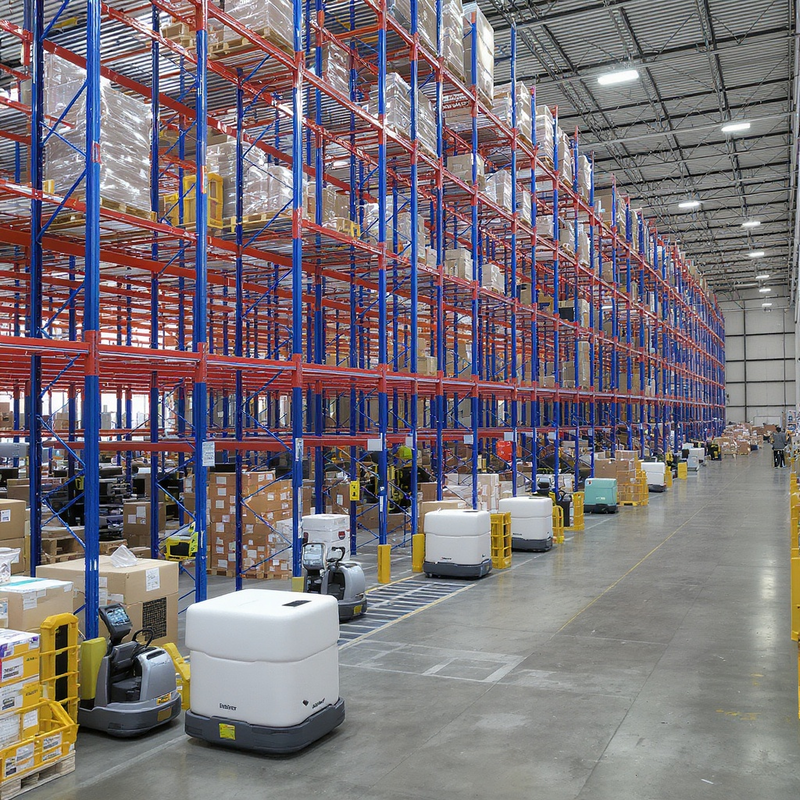
The cost-effectiveness of a high-bay warehouse is often measured by its return on investment (ROI), which reflects the efficiency of capital utilization. Thanks to their compact, vertical design, high-bay warehouses offer optimal space efficiency, which can be a significant advantage, especially in facilities with limited space. Integrating automation capabilities not only increases the efficiency of storage and retrieval processes but also significantly reduces labor costs. Despite the high initial investment costs, these can often be recouped quickly through long-term savings and increased storage capacity. The trade-off between flexibility and rigid structures remains a key consideration here; while the structure of a high-bay warehouse, once built, appears difficult to modify, it nevertheless offers long-term stability in warehouse planning. Real-world examples from industry illustrate that, with careful planning and adaptation to specific operational conditions, the economic benefits—and thus the ROI—of high-bay warehouses can be quite compelling. In the long term, the economic advantages significantly outweigh the initial expenses.
Cost Structure of High-Bay Warehouses
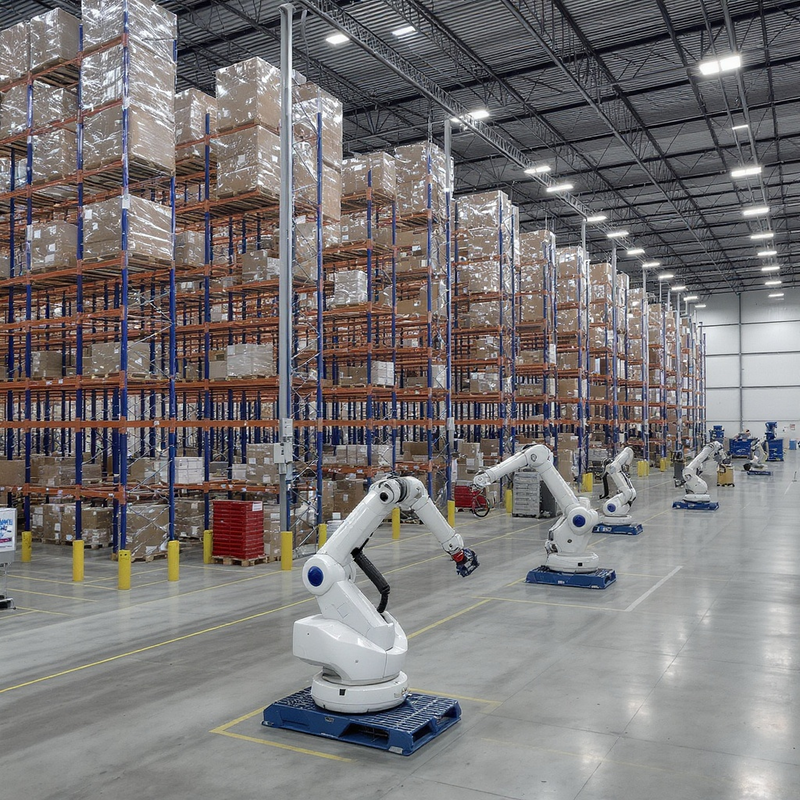
The cost structure of a high-bay warehouse is a key factor in the planning and implementation of this warehouse system. The initial investment costs are significantly higher than those of conventional warehouse solutions, as the purchase and installation of specialized racking systems, as well as the necessary technical automation, require substantial financial resources. In return, high-bay warehouses offer outstanding space efficiency and allow for the full utilization of a storage area’s vertical capacity. Furthermore, automation potential enables a reduction in ongoing operating costs, as fewer staff are required and processes can be optimized. Nevertheless, companies must consider long-term flexibility, as existing structures can usually be expanded or modified only with considerable effort. Practical examples include fully automated high-bay warehouses, which represent an attractive solution—particularly for high turnover rates—even though they are initially more costly. Despite the higher initial barrier to entry, such an approach ultimately proves economically sound due to the increased density of storage space and improved process flows. However, it is essential to always plan the total costs in detail to ensure profitability and benefit for the company.
Optimization
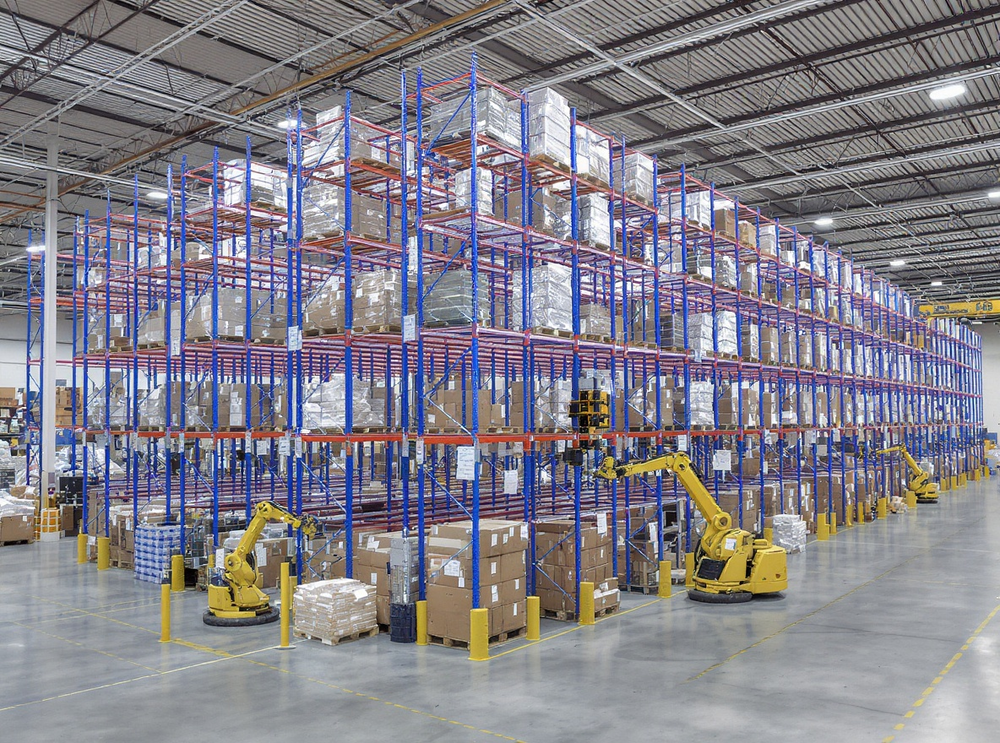
Several key factors contribute to the optimization of high-bay warehouses. A significant advantage is space efficiency. High-bay warehouses make use of vertical space, allowing companies to store a larger volume of goods on a smaller footprint. This use of space is particularly valuable in densely populated areas where land is scarce and expensive. Another important factor is the potential for automation. Automated systems in high-bay warehouses enable efficient management and order picking, which speeds up overall operations and reduces the workload. These systems minimize human error and increase safety and efficiency within the warehouse. A high-bay warehouse offers flexibility in adapting to specific storage requirements, although this comes with the potential risk of rigid structures that can make adjustments difficult when business needs change. Real-world examples show that a well-thought-out combination of automated and manual processes delivers the greatest benefits. This allows for the selection of the most cost-effective option, depending on warehouse size and inventory turnover. Although high initial investments are required, these are offset over time by reduced operating costs and increased productivity. Ultimately, planning and sustainable adaptability play a decisive role in optimizing high-bay warehouses.
Layout and Use of Space
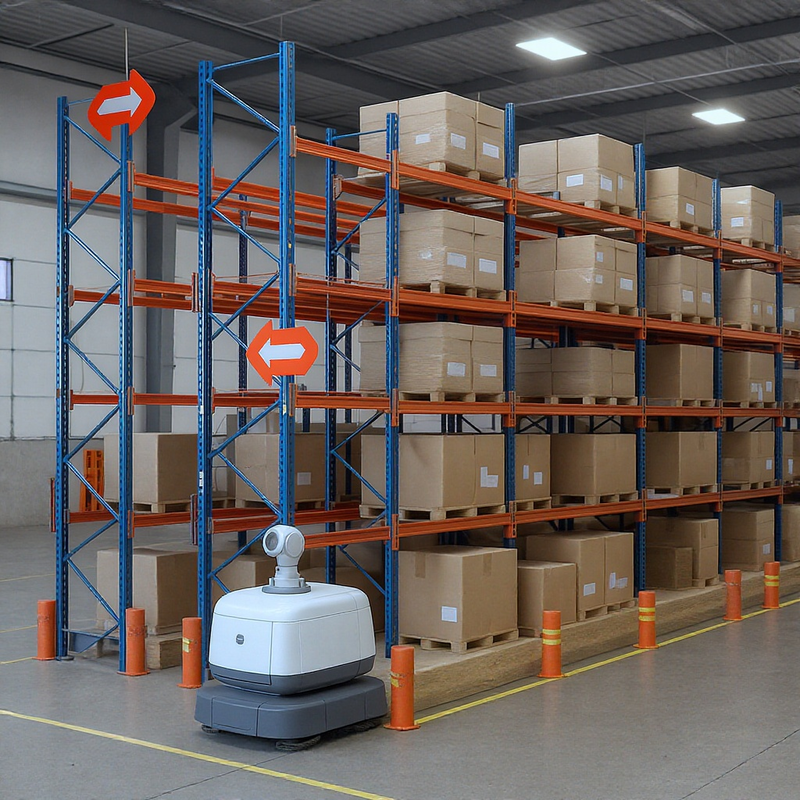
Optimizing high-bay warehouses begins with strategic layout and space utilization. These warehouses are a prime example of space efficiency, as they make the most of the available space by extending upward, thereby maximizing vertical storage capacity. This offers significant potential for automation, particularly through the use of automated storage and retrieval systems, which ensure efficient use of space. However, a key challenge in optimization remains the balancing act between flexibility and rigid structures. While high-bay warehouses offer enormous storage capacity in a compact space, changes to warehouse organization can be costly. Practical examples show, however, that with careful planning and innovative technology, the benefits outweigh the costs. Companies that already rely on automated systems report increased storage density and improved process flows. The strategic optimization of high-bay warehouses is therefore not only a matter of maximizing space utilization but also of intelligently integrating automated processes to maximize throughput and ensure operational flexibility.
Process Optimization
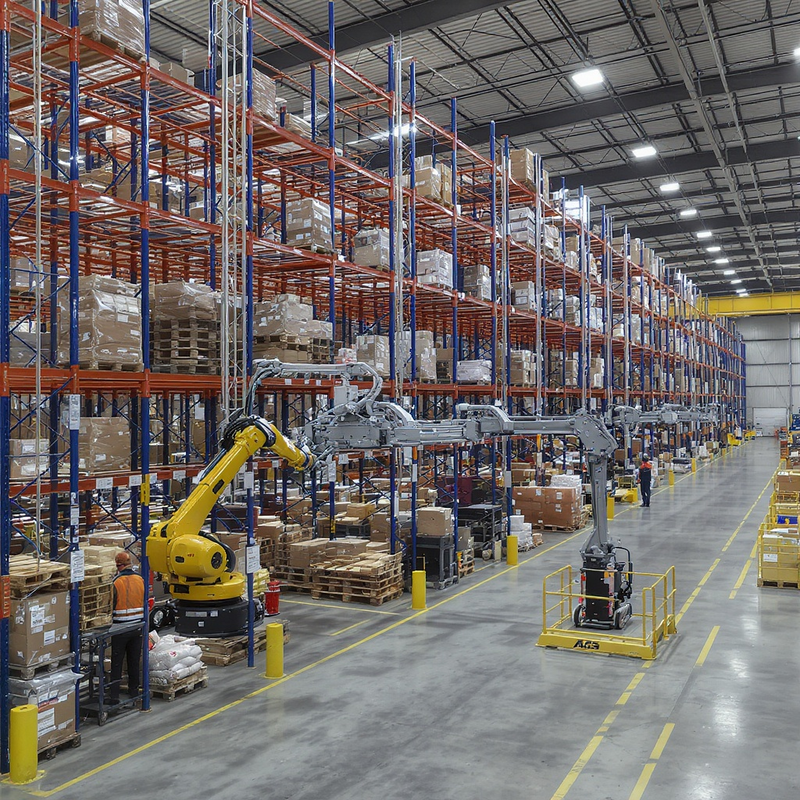
Process optimization in high-bay warehouses offers numerous opportunities to increase efficiency. By integrating automation capabilities, companies can significantly improve their warehouse processes. Automated systems not only minimize human error but also reduce the workload and lower labor costs. In addition, the vertical layout of high-bay warehouses allows for maximum space efficiency, as the available space is utilized optimally. Another advantage is the flexibility in designing warehouse structures. Companies can use automated or manual systems as needed to meet their specific requirements. Despite the rigid structures of high-bay warehouses, they offer a high degree of adaptability when it comes to storing different types of goods. Real-world examples demonstrate how companies can optimize their warehouse processes and sustainably benefit from the advantages of high-bay warehouses by utilizing modern technologies and well-designed warehouse management systems. Nevertheless, careful planning is essential to fully realize these benefits and minimize potential drawbacks, such as high investment costs.
Operating Costs
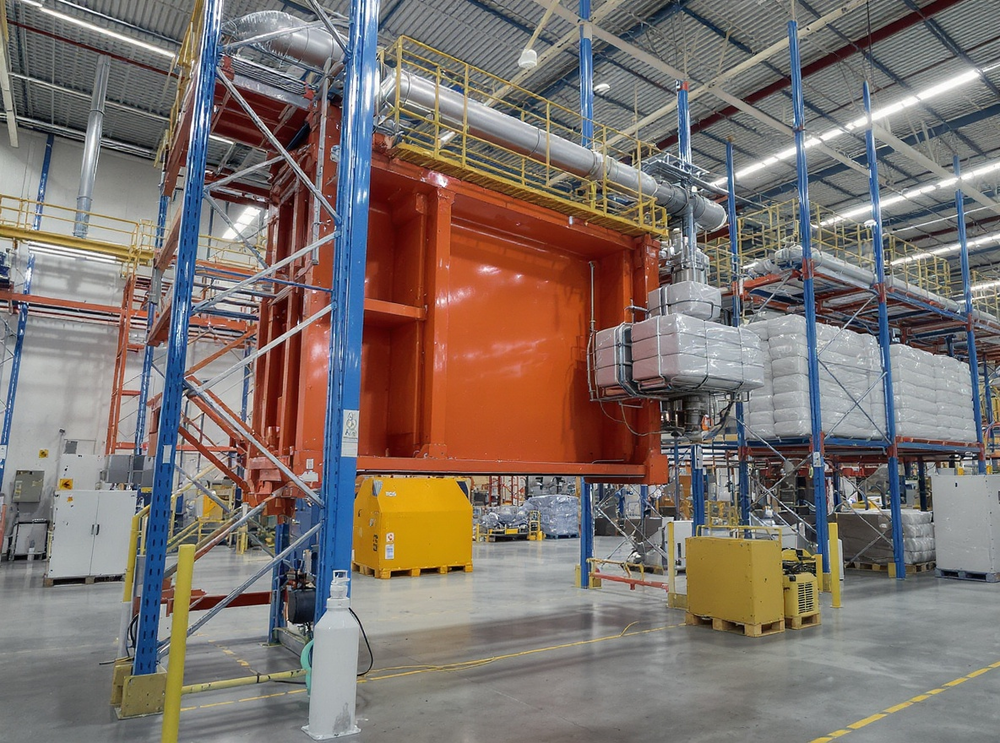
Operating costs play a crucial role in the operation of high-bay warehouses, as they significantly impact cost-effectiveness. These types of warehouses are known for making optimal use of available space, as they utilize vertical space and offer high space efficiency. As a result, fewer square meters of floor space are required, which can lead to reductions in site costs. The use of automation technologies also makes it possible to streamline operations. Automated systems reduce the need for manual labor, leading to savings in personnel expenses. This also helps minimize errors in the ordering process, which in turn lowers operating costs. Another advantage of automation is shorter processing times, as warehouse processes can be accelerated.
However, disadvantages regarding flexibility must also be considered. Compared to manual systems, automated high-bay warehouses can be more complex to adapt to operational changes. In the event of unforeseen changes to the warehouse structure or layout, automated systems often prove inflexible, and costly restructuring may be required. This requires precise planning in advance and may entail higher initial investments. In addition, maintenance requirements and costs for the automation systems can pose additional burdens. Nevertheless, once set up and properly maintained, high-bay warehouses offer long-term cost savings due to their structured and automated operation. Therefore, it is important to carefully evaluate this type of operation in light of specific warehouse needs and existing internal operational structures in order to make an informed decision.
Maintenance and Energy
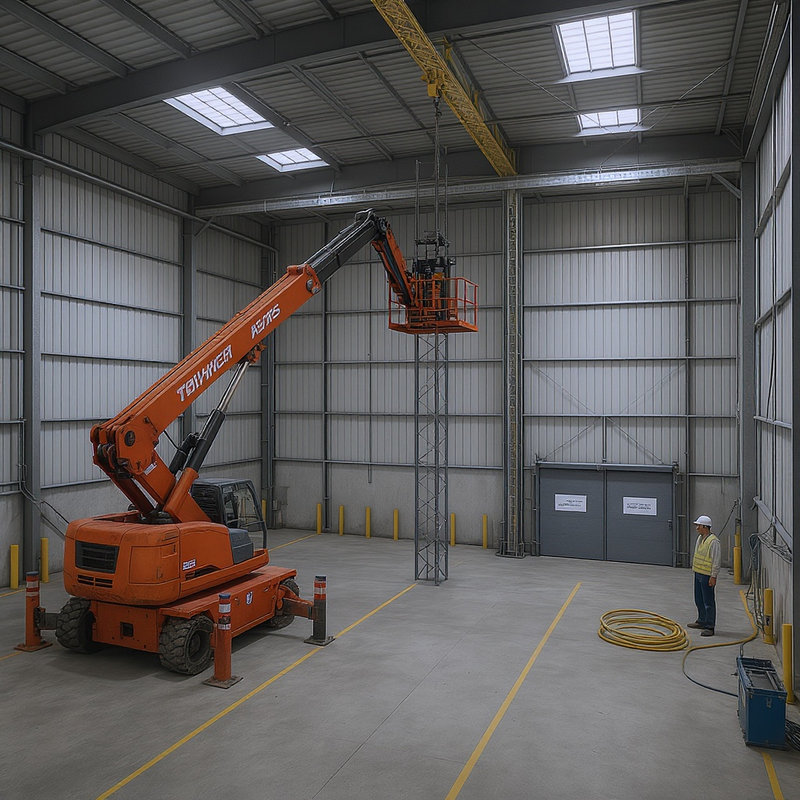
A key aspect to consider when evaluating operating costs in high-bay warehouses is maintenance and energy consumption. High-bay warehouses require regular maintenance to ensure smooth operation. These systems are complex and vary depending on the degree of automation, which in turn affects maintenance requirements. Continuous inspection and maintenance of automated equipment prevent unplanned downtime and can minimize long-term costs. Energy consumption is another significant factor that influences operating costs. Automated systems and the machinery and conveyor systems they require are energy-intensive. Companies should therefore rely on energy-efficient technologies and systems to reduce costs. Smart energy management systems can help monitor and optimize electricity consumption. Despite the high initial investment in energy-efficient technologies, these pay for themselves through long-term savings on energy costs. Ultimately, both effective maintenance strategies and energy efficiency management play a crucial role in optimizing operating costs in high-bay warehouses while maximizing performance.
Labor Costs vs. Automation
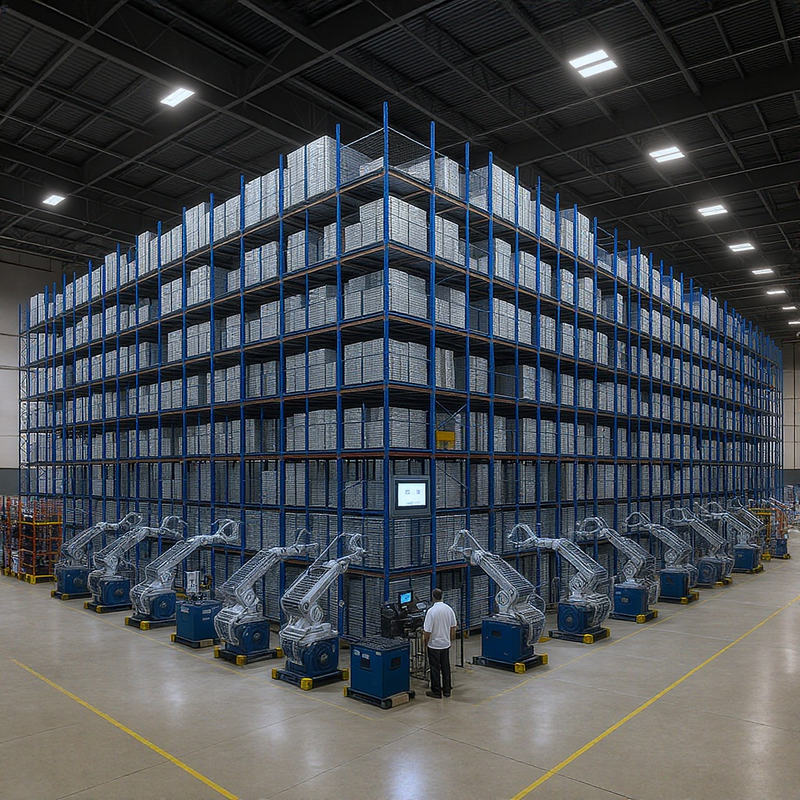
In the debate over the operating costs of high-bay warehouses, the comparison between labor costs and automation plays a central role. While conventional, manually operated warehouses rely on extensive staffing, automation offers numerous advantages. By using automated systems, companies can not only make optimal use of vertical space but also organize their floor space more efficiently. This typically leads to a reduced workload and a significant reduction in labor costs. Automated processes enable faster order-picking operations and minimize human error, which has a positive impact on overall efficiency.
However, the initial investment for a fully automated high-bay warehouse is significantly higher than for a manual system. This includes the purchase and integration of modern warehouse technologies, which can limit the system’s flexibility. Additionally, operating automated systems requires specialized personnel for maintenance and monitoring. In practice, the ideal level of automation depends heavily on the company’s individual requirements and space-efficiency goals. Ultimately, depending on the application and warehouse size, a strategic balance between automation and staffing can be found to optimize operating costs in the long term.
Warehouse Processes
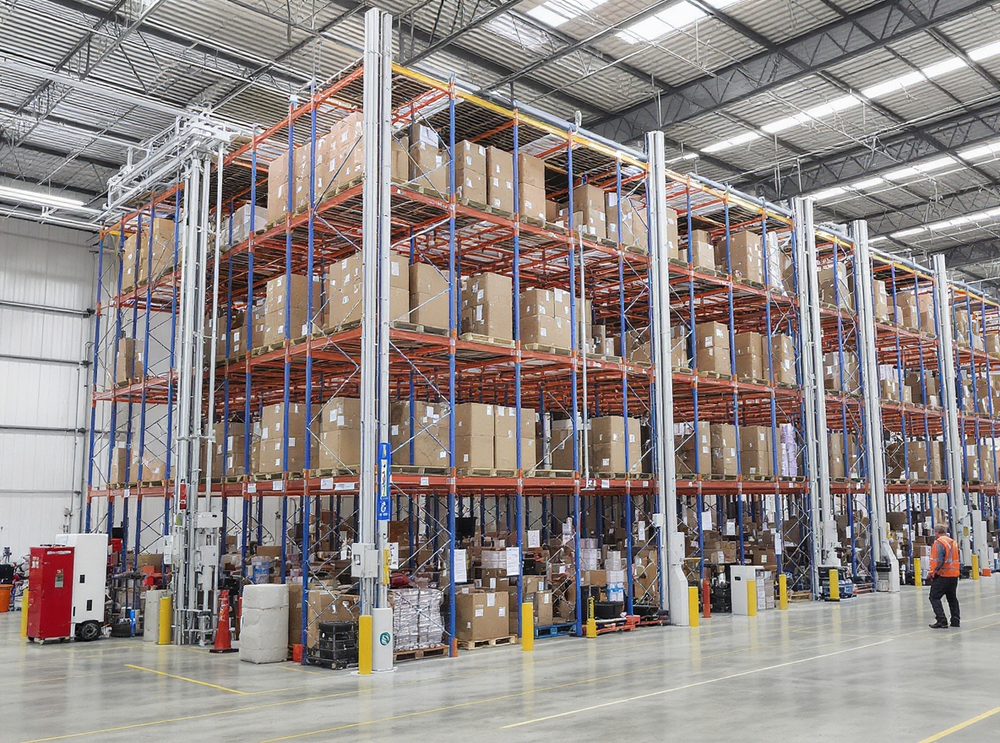
Warehouse processes in high-rack warehouses are crucial for fully leveraging the benefits of these storage systems. One of the greatest strengths of high-bay warehouses is their space efficiency. The vertical orientation of the storage system makes optimal use of the available space, which is particularly advantageous for companies with limited space. In addition, high-bay warehouses offer significant potential for automation. Automated systems can significantly speed up day-to-day warehouse activities such as putting goods into and removing them from storage, thereby minimizing turnaround times. This helps increase efficiency and reduce labor costs.
However, there are also challenges that must be considered. While high-bay warehouses can achieve high efficiency through their automated options, they are also susceptible to technical failures that can paralyze the entire warehousing process. Furthermore, flexibility in warehousing often has to be traded off for rigid structures, as high-bay warehouses require specialized equipment and trained personnel to operate efficiently. They also entail high initial investments and require regular maintenance.
However, real-world examples show that in industries with high throughput requirements and a wide variety of goods, high-bay warehouses can demonstrate their strengths. Large logistics companies that handle a diverse product range benefit from structured warehousing and efficient warehouse processes. The automotive industry is also among those that support their just-in-time production processes through the use of large high-bay warehouses. In summary, high-bay warehouses offer an excellent solution for companies that need to operate efficiently in a small space while also keeping an eye on flexibility and the potential costs of setup and maintenance.
Inventory Management and Physical Inventory
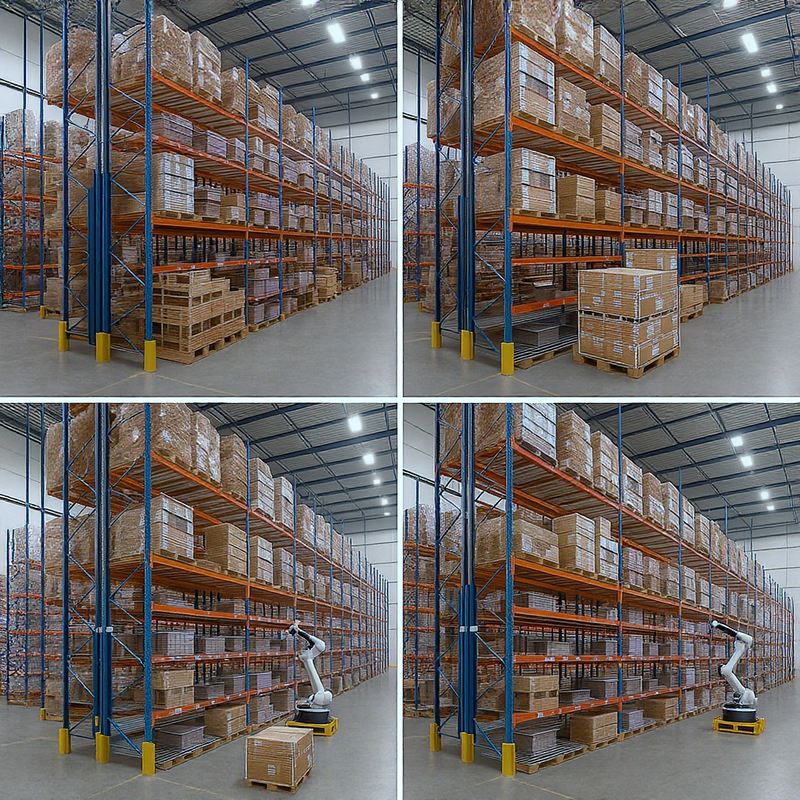
Inventory management and physical inventory counts are central elements of warehouse processes in a high-rack warehouse and present numerous advantages and challenges. High-rack warehouses enable excellent, space-efficient use of vertical space, allowing large quantities of products to be stored and managed. The integration of automated systems offers significant efficiency gains, as they ensure continuous monitoring of inventory and precise location tracking of items. This automation not only reduces the workload but also minimizes human errors that are typical of manual inventory monitoring systems. Nevertheless, implementing such technologies requires substantial investment and precise planning to create flexible warehouse structures. While automation promises greater speed and accuracy in inventory management, rigid structures in high-bay warehouses can limit adaptability in the face of changes to the product portfolio. Companies should therefore carefully balance adaptability with the potential for automation to optimize their warehouse processes. Overall, high-bay warehouses offer a valuable solution for modern inventory management and counting thanks to their combination of efficiency and advanced technology.
Putaway, Picking, Picking Out
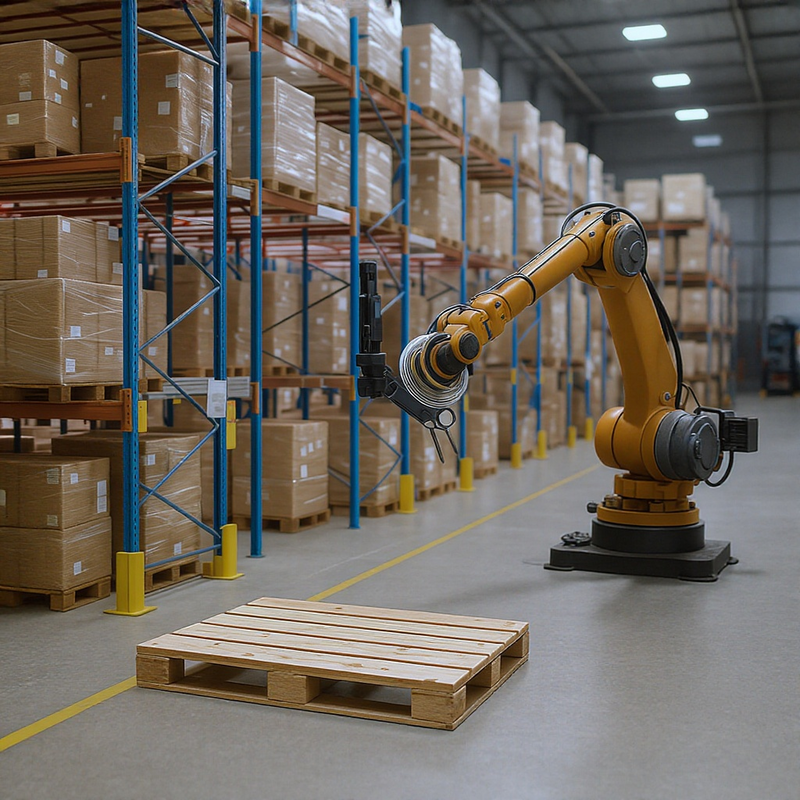
Storage in a high-bay warehouse offers numerous advantages, particularly in terms of space efficiency. By utilizing the full height of the building, companies optimize capacity and create space for large volumes of goods in a very small area. Order picking benefits from the integration of automated technologies, which can reduce the workload and significantly increase process efficiency. The use of warehouse management software enables precise control and leads to rapid order fulfillment. At the same time, however, companies that opt for a high-bay warehouse must strike a balance between flexibility and rigid structures, as changes are often costly. During order fulfillment, on the other hand, an optimally configured high-bay warehouse offers clear access routes, which leads to shorter turnaround times. Despite its advantages, such as improved automation potential and increased inventory accuracy, the high investment costs and maintenance requirements should not be underestimated. Nevertheless, many real-world examples show that the long-term savings and efficiency gains can outweigh the initial challenges related to warehouse processes.
Personnel costs
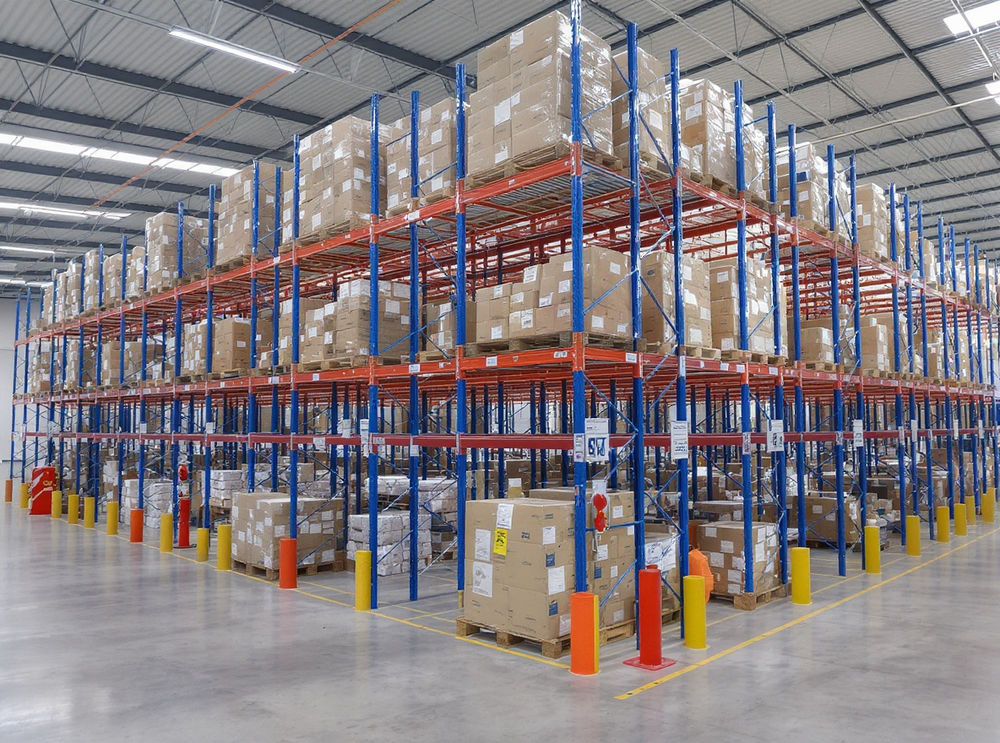
The implementation of high-bay warehouses offers companies significant advantages in terms of labor costs. Due to increasing demands for logistical efficiency, particularly in areas with high inventory turnover, high-bay warehouses are becoming an increasingly popular solution. They enable optimal use of space through vertical storage structures. This increase in efficiency is largely made possible by automation. The use of automated systems, such as automated storage and retrieval machines (AS/RM) and conveyor systems, significantly reduces the need for human resources. Automation not only enables faster and more precise order fulfillment but also reduces the workload associated with manual tasks. This leads to a significant reduction in ongoing labor costs. Another advantage is that the personnel resources saved can be deployed for more complex tasks that require human judgment. In addition, high-bay warehouses help reduce the workload, as clear access routes and efficiently designed warehouse layouts speed up putaway and order picking. However, it should also be noted that the transition from manual to automated warehouse solutions initially involves higher investments, including training for remaining staff to use the new systems efficiently. Overall, however, high-bay warehouses offer a compelling way to significantly reduce labor costs in the long term by increasing efficiency and productivity within warehouse logistics.
Training Costs
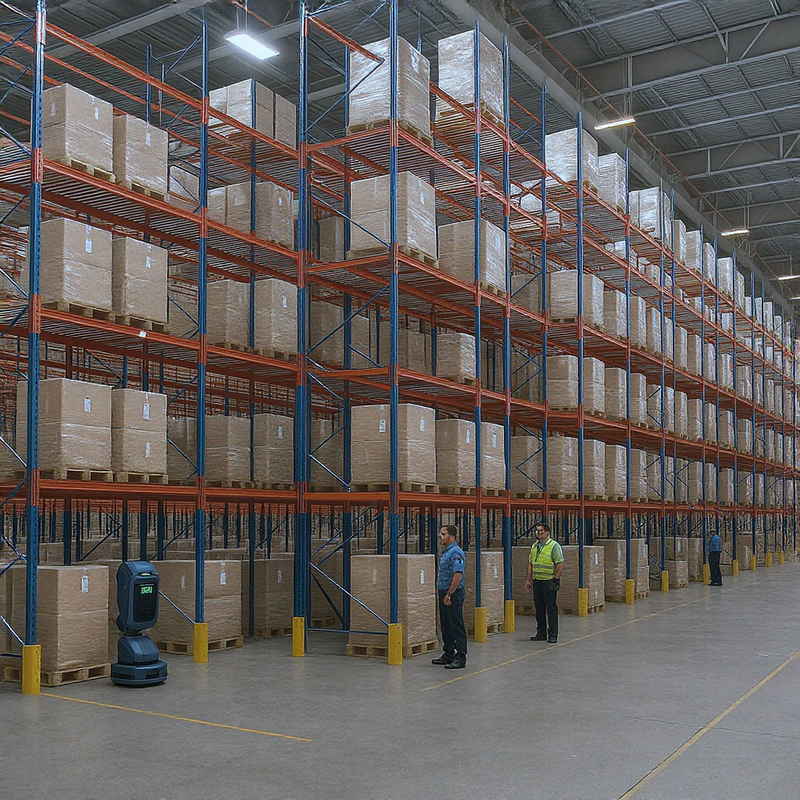
In today’s warehouse logistics, high-bay warehouses are becoming increasingly important. In addition to their space efficiency and ability to maximize the potential of automation, they help reduce labor costs. This is achieved by reducing the need for manual tasks, as many processes can be automated. However, training costs are a key factor when it comes to labor costs. Due to the complex technologies and specific processes involved, it is necessary to provide staff with intensive training. While this may result in higher costs initially, it pays off in the long run through more efficient utilization and fewer operating errors. The specialized knowledge required to operate automated systems is crucial in this regard. A well-designed training program ensures that employees are able to optimize internal workflows. Investing in training costs can therefore be viewed as a strategic measure to minimize labor costs while simultaneously increasing the flexibility and adaptability of the workforce. The benefits of such investments are reflected in increased productivity and a reduced risk of disruptions in day-to-day operations.
Reduction Through Automation
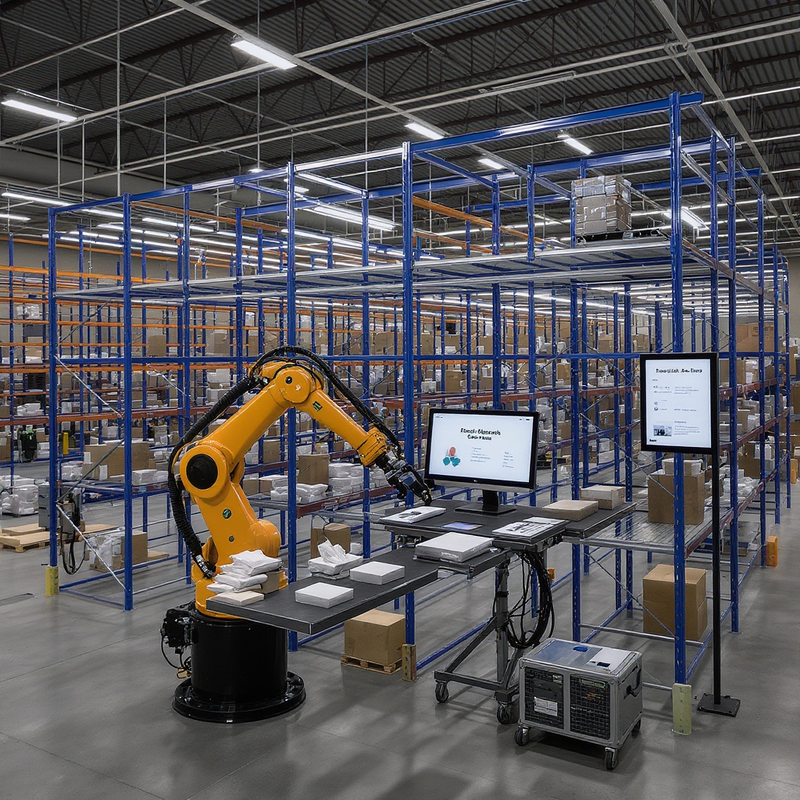
Automation in high-bay warehouses is a significant advancement that is revolutionizing space efficiency in warehousing. By using automated storage and retrieval systems and warehouse management software, companies can make optimal use of their existing infrastructure and deploy personnel resources in a targeted manner. This automation potential offers significant advantages in reducing labor costs, as fewer manual interventions are required and the warehousing process is streamlined through precise control. The clear structure and optimized use of space make it possible to store more goods in the same area, which increases productivity and reduces operating costs. However, this level of flexibility requires comprehensive planning, as automated systems are largely unable to adapt to short-term changes in warehouse logistics. Real-world examples show that by implementing such systems, companies can not only increase efficiency but also significantly reduce the workload for staff. Despite the investment costs and technical requirements, automation remains key to reducing labor costs and improving warehousing efficiency in modern high-bay warehouses.
Requirements
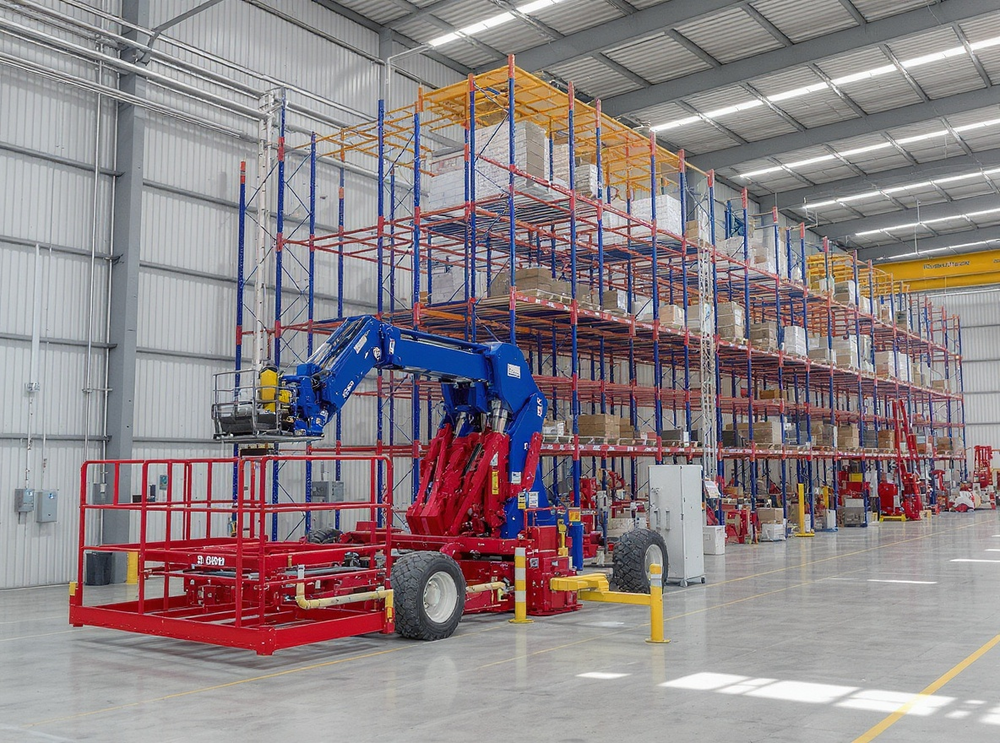
High-bay warehouses are complex systems that must meet specific requirements in order to fully leverage the benefits of space efficiency and automation potential. One of the key requirements is efficient use of space, as high-bay warehouses allow for vertical expansion, thereby maximizing the use of available floor space. This feature makes high-bay warehouses particularly useful for companies with limited space that still need to store large quantities of goods.
A key factor is the integration of automation, which streamlines operations and reduces manual labor. Specialized storage and retrieval machines and warehouse management systems play a vital role in ensuring a smooth and rapid flow of goods. However, these automated solutions require significant investment and careful planning to operate error-free.
Although high-bay warehouses enable major efficiency gains through automation, there is a tension between flexibility and rigid structures. While the fixed structure of high-bay warehouses makes it difficult to adapt to short-term operational changes, it is still possible to implement well-designed systems that can accommodate certain adaptation needs.
Real-world examples from the logistics sector show that high-bay warehouses offer particular advantages during seasonal fluctuations by providing temporary storage for large inventories of goods that are not needed for extended periods. However, these warehouses must also comply with safety regulations —particularly when storing sensitive or hazardous goods—to ensure operational safety. Overall, high-bay warehouses represent a solution that pays off especially in well-planned environments with high inventory turnover.
Standards and Certifications
Standards and certifications for high-bay warehouses are essential factors in ensuring safety and efficiency in warehouse operations. High-bay warehouses, which reach a considerable height of at least 12 meters, require specific safety and construction regulations to ensure the structural stability and load-bearing capacity of the structures. These standards also regulate the maximum permissible height, which is 50 meters in Germany. In addition, high-bay warehouses are required to implement strictly controlled work procedures and regular maintenance to minimize potential risks. Certifications ensure that all installed systems comply with applicable safety and quality standards. A highly standardized high-bay warehouse not only optimizes space efficiency but also integrates innovative automation capabilities. This is crucial for maximizing a warehouse’s flexibility while ensuring safe and reliable operation. Compliance with these standards is essential for fully leveraging the capabilities of high-bay warehouses and fully meeting the demands of modern warehouse logistics.
Safety Regulations
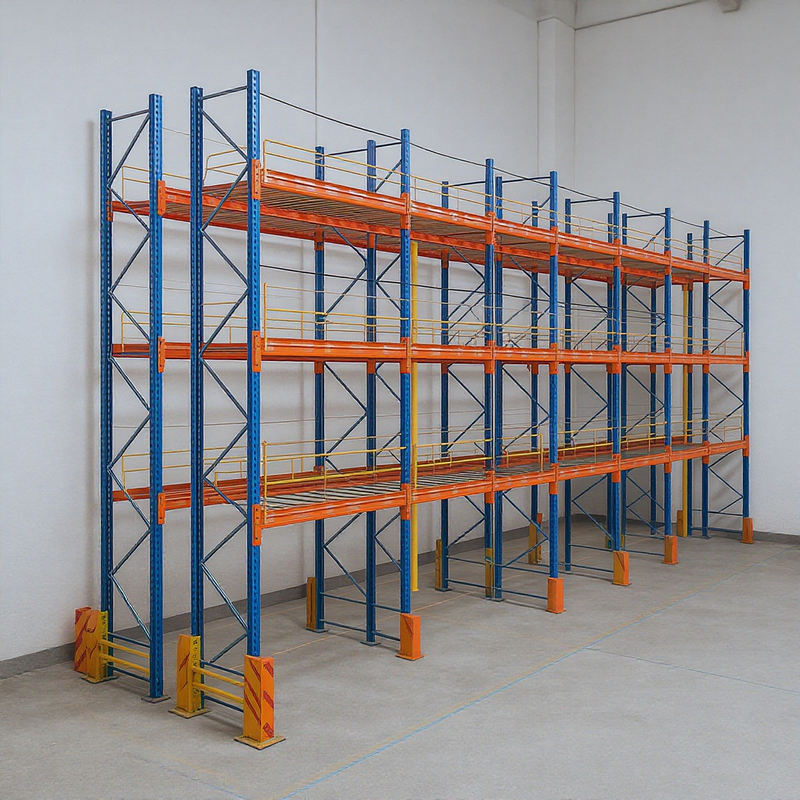
In a high-bay warehouse, certain safety regulations are essential to ensure smooth operations and the protection of personnel and goods. Key requirements include adhering to the maximum height limit and ensuring the stability of the racking structures, especially when handling heavy loads. Furthermore, specialized fire suppression systems are mandatory, as the increased fire risk in multi-level racking must be controlled at all times. Access to stored goods is ensured by separate aisles for industrial trucks, which also helps minimize hazards. Particular emphasis is placed on the regular inspection and maintenance of technical systems, including automated material-handling equipment, to prevent breakdowns and accidents. In addition, it is not only important to provide comprehensive safety training for employees but also to clearly define floor markings to guide the safe flow of traffic within the warehouse. Proper implementation of these safety measures is crucial for ensuring smooth operations and compliance with legal regulations in high-bay warehouses.
Warehouse Solutions
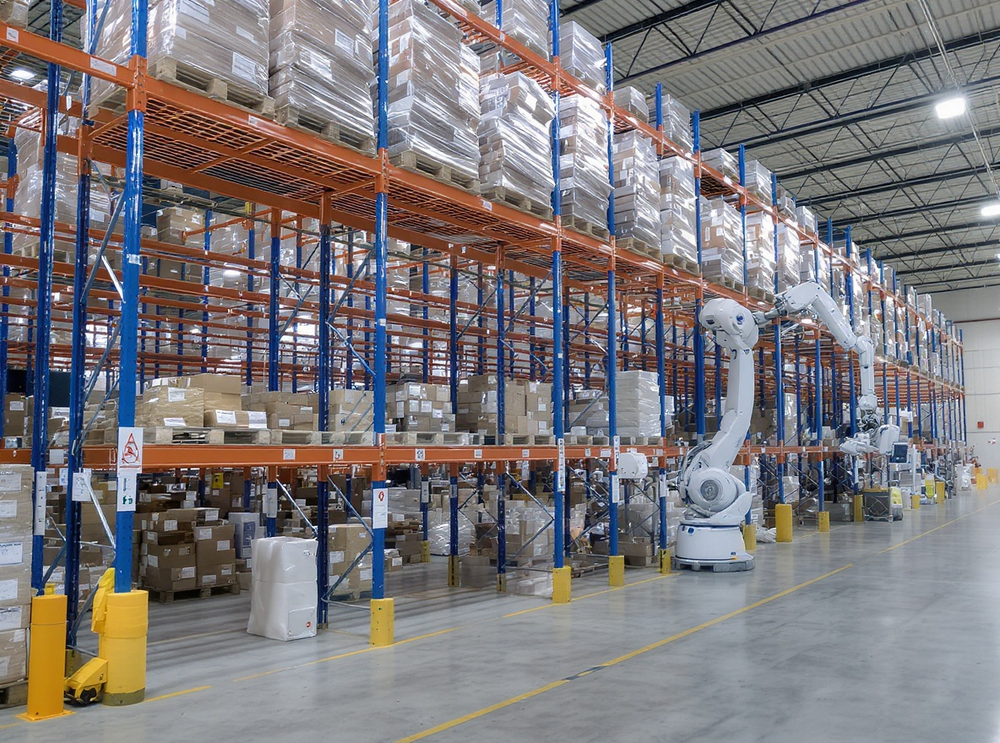
Modern warehousing solutions are crucial for companies looking to increase their efficiency and productivity. One key option is the high-bay warehouse, which offers numerous advantages. By utilizing vertical storage space, optimal space efficiency is achieved, allowing companies to store more products within the same floor area. This is particularly valuable in industries with limited space. In addition, high-bay warehouses offer automation potential that speeds up workflows and reduces labor costs. Automated storage and retrieval machines, for example, can greatly optimize the flow of goods. However, despite this flexibility, these advantages are accompanied by certain challenges. Rigid structures can limit adaptability, which can be problematic for companies that need to react quickly to market changes. Practical examples show, however, that implementing a high-bay warehouse can lead to improved efficiency in the long term by enabling companies to make their warehouse processes leaner and more cost-effective. Despite higher initial investments, this is a worthwhile warehousing solution for many companies, as it can ultimately support long-term business success.
Custom Solutions
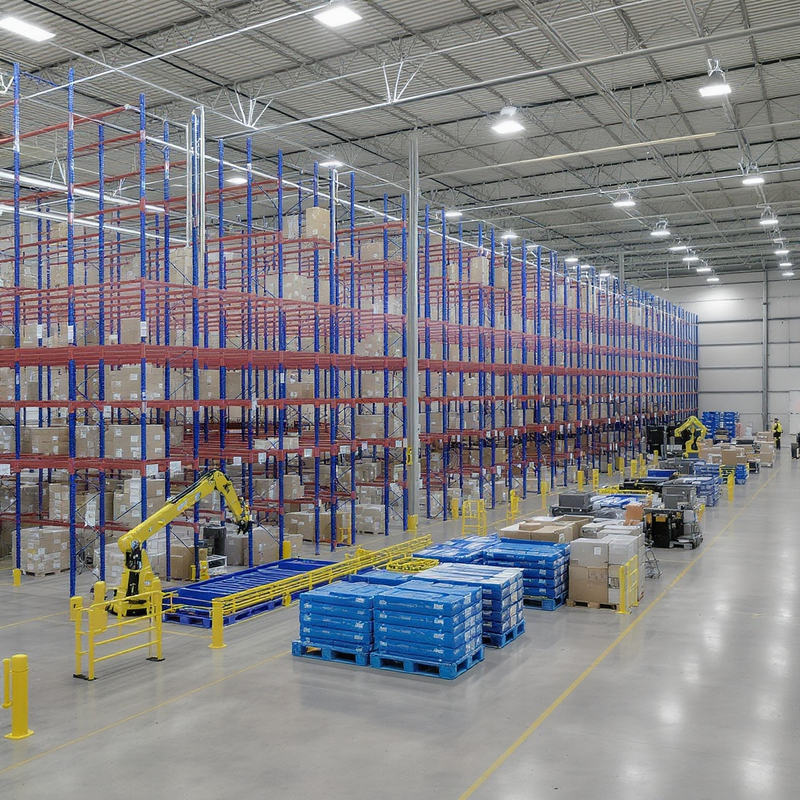
Companies that focus on custom solutions develop warehouse solutions specifically tailored to their individual requirements and environmental conditions. These customized systems enable the optimization of space efficiency by maximizing the vertical and horizontal use of storage space. In addition, the potential for automation in high-bay warehouses can be harnessed to optimize processes, reduce costs, and increase operational efficiency. Another advantage of custom solutions is their flexibility, which allows for a rapid response to changing business needs, in contrast to rigid, standardized structures. Real-world examples are used to illustrate the versatility of these solutions and facilitate understanding. Despite the promising advantages, however, it is important to recognize that the development and implementation of such specific solutions involve significant planning and investment costs, as well as ongoing maintenance requirements. The individual benefits of such a system must therefore be carefully weighed against the initial challenges to ensure a sustainable and strategically sound decision regarding the warehouse architecture.
Manual vs. Automated
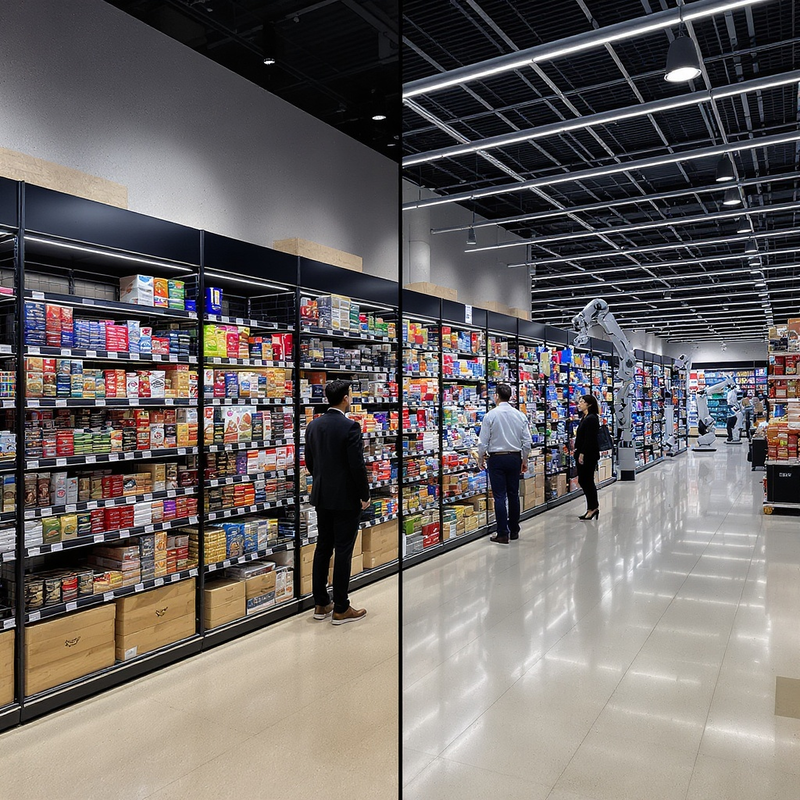
In the field of warehousing solutions, both manual and automated high-bay warehouses offer specific advantages. While manual systems offer flexibility and lower initial investment costs, automation proves to be more efficient for large-scale operations. Automated systems can significantly increase space efficiency through better utilization of vertical space and optimized material flow. They are particularly well-suited for companies with high inventory turnover and enable shorter lead times and reduced labor costs. On the other hand, manual warehouses offer greater adaptability to changing storage requirements but require more staff and result in longer picking times. The choice between the two often depends on the specific needs of the organization in question: If your operation requires a high degree of flexibility, manual warehouses might be the better choice. For large-scale operational efficiency and continuous process optimization, however, automated warehouses are hard to beat.
Storage capacity
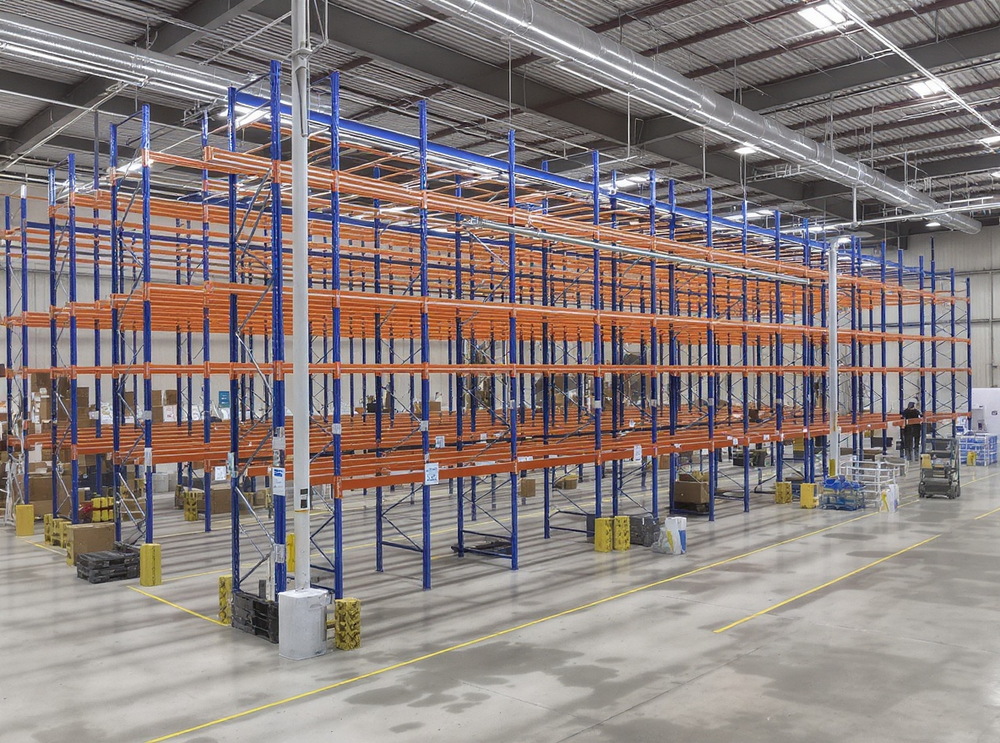
Storage capacity in high-bay warehouses plays a crucial role for companies that want to use their warehouse space efficiently. Thanks to the vertical orientation of these storage systems, the available space is utilized to the fullest. Compared to conventional storage methods, high-rack warehouses offer significant space efficiency because the warehouse expands upward rather than outward. This space efficiency is particularly useful in urban areas where space is scarce and expensive. The ability to store a large volume of goods within the same floor area also significantly reduces costs per cubic meter.
Another advantage of high-bay warehouses is their potential for automation. Automated systems can be seamlessly integrated into this type of warehouse, which speeds up processes such as putaway and retrieval and increases productivity. Automation not only reduces the need for labor but also minimizes human error and enhances operational safety. For example, automated racking systems can enable faster inventory turnover through precise control, leading to greater efficiency.
Nevertheless, the implementation of a high-bay warehouse also presents challenges, particularly in balancing flexibility with rigid structures. Once built, high-bay warehouses are often difficult to reconfigure because their structural design and layout are fixed. These rigid structures can limit adaptability in the face of rapid market changes. Therefore, high initial investments and careful planning are essential to ensure long-term profitability.
Real-world examples show that companies using high-bay warehouses often benefit from the ability to successfully store a wide variety of products and manage them efficiently, which ultimately improves customer service and reduces operating costs. High-rack warehouses thus remain a preferred choice for companies aiming to make optimal use of their storage capacity.
Scalability
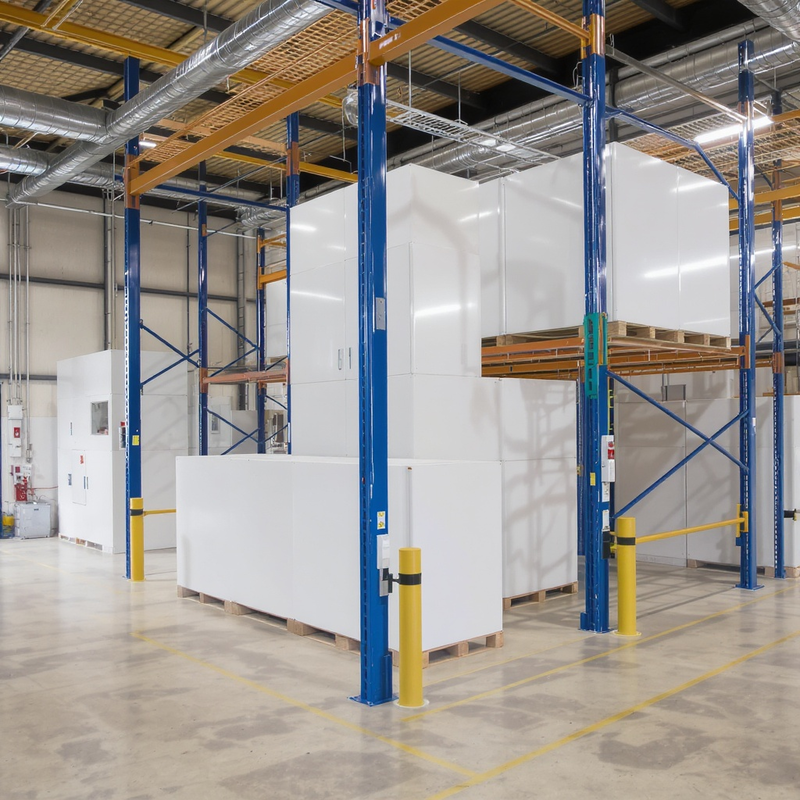
The scalability of a high-rack warehouse offers significant advantages in optimizing storage capacity. Thanks to its vertical design, the available storage space is maximized by utilizing the building’s height, which is particularly beneficial when limited space must be used efficiently. This design allows for vertical expansion without occupying additional floor space, resulting in optimal space efficiency. Additionally, the integration of automation capabilities opens up opportunities to optimize work processes and further increase efficiency. High-bay warehouses are capable of meeting diverse needs by flexibly adapting their structure, whether in warehouse management or when handling different types of goods. Despite this flexibility, however, rigid structures can also pose a challenge, as modifications involve significant effort. Practical examples show, however, that companies can successfully adapt their processes and reap benefits by planning carefully and investing in a future-proof infrastructure. Therefore, scalability is a key factor that makes high-rack warehouses an attractive solution for growing companies looking to expand their storage capacity.
Capacity Calculation
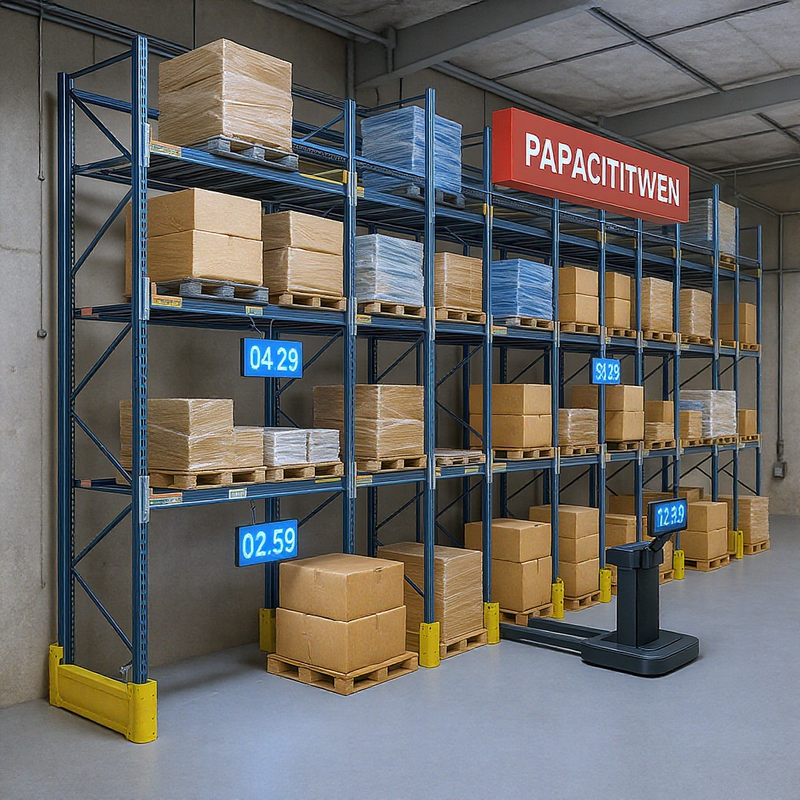
Calculating capacity in a high-bay warehouse is an essential step in making optimal use of storage capacity. Space efficiency plays a crucial role in this process. High-bay warehouses are known for utilizing the entire height of the warehouse building, thereby achieving significantly higher storage density. The ability to integrate automated systems allows processes to be designed more efficiently, saving time and costs. This potential for automation helps optimize workflows and reduce the need for manual labor. Nevertheless, a trade-off between flexibility and rigid structures can arise during the planning phase. While automated systems increase efficiency, their adaptability is often limited, which can lead to challenges when warehouse requirements change. In practice, the precise calculation and planning of capacities prove to be particularly important for ensuring smooth operations. Real-world examples illustrate how companies can gain a competitive advantage and sustainably optimize their warehouse processes through well-thought-out capacity strategies.
Space Efficiency
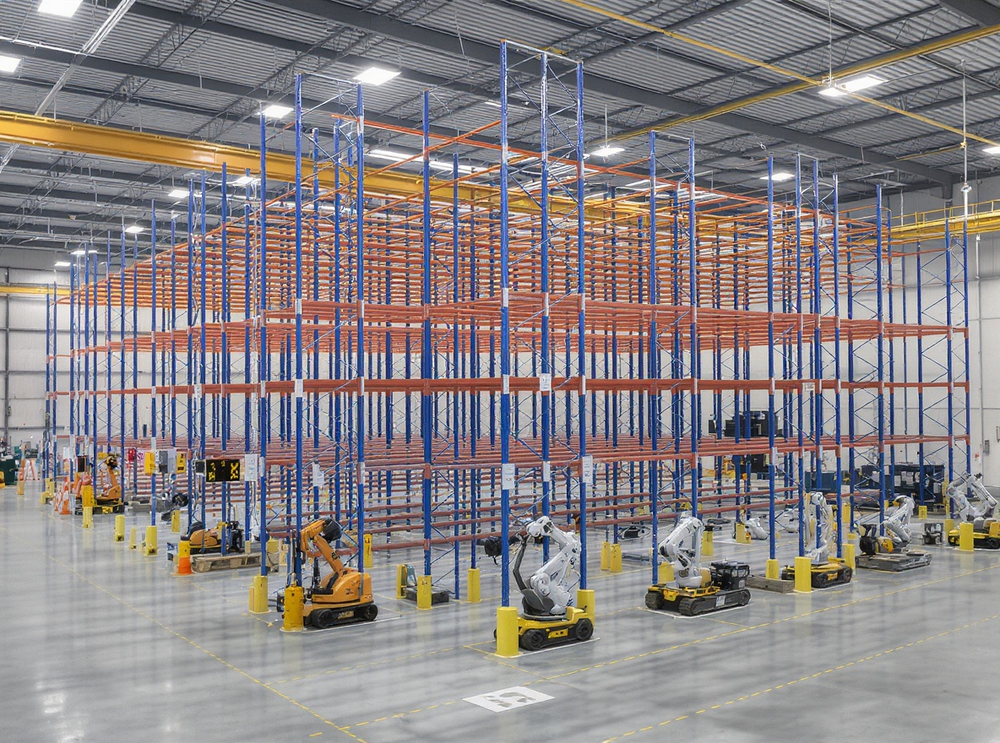
High-rack warehouses offer significant space efficiency compared to conventional warehouse solutions. By utilizing the vertical dimension of a warehouse, companies can make optimal use of the available space. Unlike ground-level warehouse structures, high-rack warehouses allow for the storage of more products within the same floor area. This efficient use of space is particularly valuable in industries where space is limited and high storage capacity is required. A practical example is massive logistics centers, which can significantly increase their inventory levels thanks to such racking systems without needing additional land.
The potential space savings allow companies to reduce their warehousing costs, as less floor space is required—a decisive advantage in urban areas with high land prices. In addition, the implementation of high-bay warehouses is often linked to opportunities for technological automation. Automated systems within the racking create additional efficiency gains, as they enable fast and precise access to goods.
Nevertheless, the use of high-bay warehouses also presents challenges. The flexibility of such systems can be limited, as they are difficult to adapt to changing business needs, such as when a rapid restructuring of the warehouse layout is required. Their structure is usually rigid, which means that any reorganization can be costly and time-consuming.
Overall, high-rack warehouses are an attractive option for companies that want to efficiently manage large quantities of goods. They offer an ideal combination of maximum space utilization and integrated solutions for modern warehouse management, provided that operational requirements are clearly defined and potential limitations are taken into account in advance.
Real-world examples
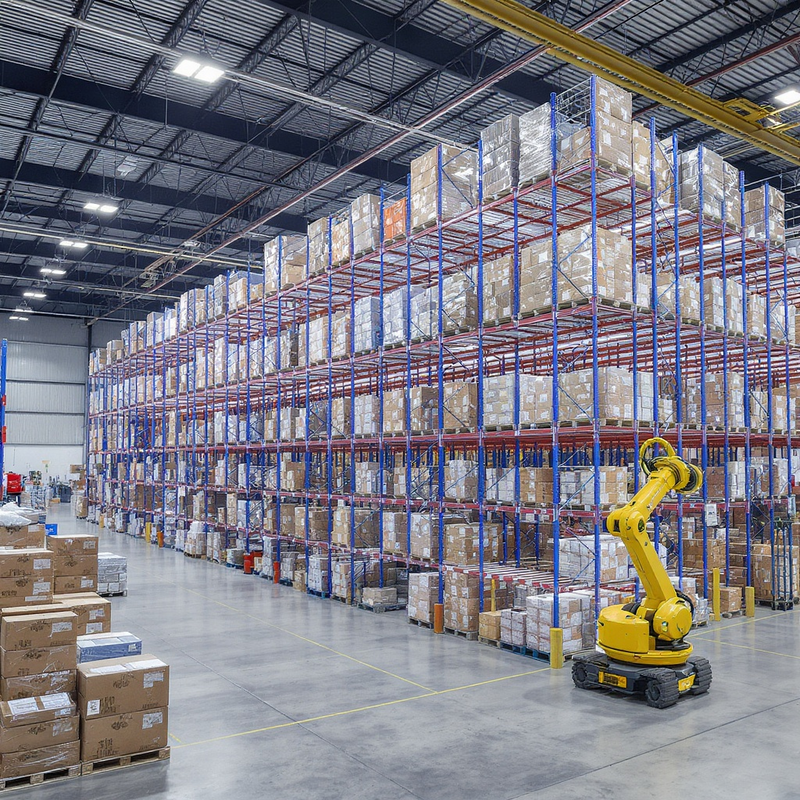
Modern high-bay warehouses are a prime example of space efficiency, as they make optimal use of available space through vertical storage. A practical example of this is their use in the automotive industry, where just-in-time deliveries are of essential importance. Companies often rely on automated systems to optimize their warehouse processes, which not only enables them to precisely manage large volumes of goods but also reduces the workload. Real-world examples also show that high-bay warehouses are used in climate-controlled areas to store sensitive goods under optimal conditions. In major cities, where floor space is scarce and expensive, companies can save significant costs with such warehouses. Another example is logistics centers, where efficient automation technologies speed up the handling of goods and minimize sources of error. The integrity of warehouse management is maintained through well-planned structures and technological support, meeting high standards for security and accuracy. In this way, high-bay warehouses impressively reflect the fusion of technology, flexibility, and efficiency required to meet today’s challenges in inventory management.
Height vs. Floor Area
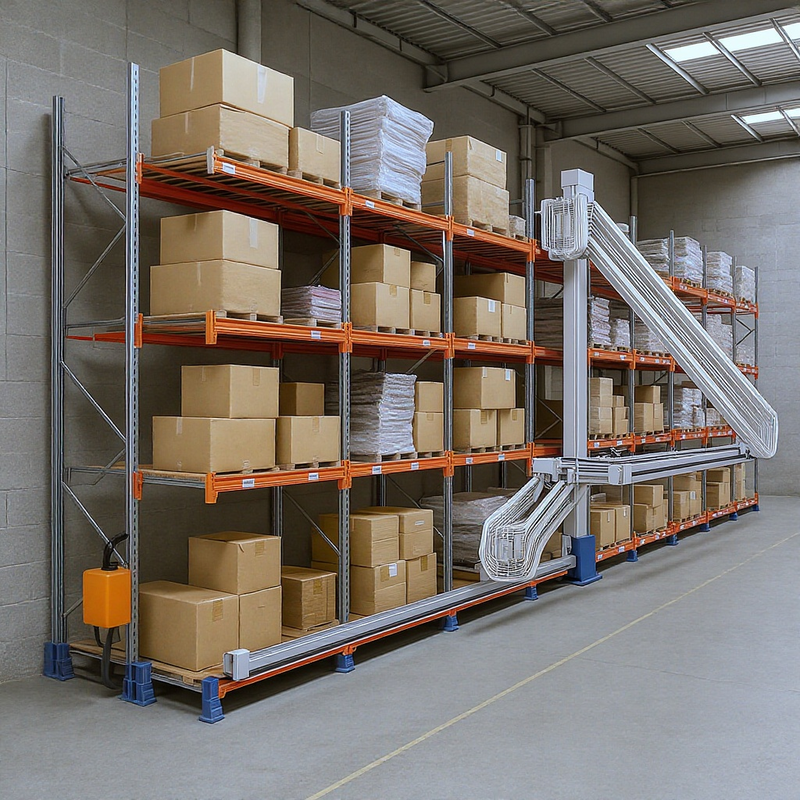
A comparison of height and floor space in high-rack warehouses clearly illustrates how important space efficiency is in modern warehouse systems. While traditional storage areas are often limited by their floor space, high-rack warehouses offer the ability to make optimal use of the available headroom. These warehouses are designed to store goods at great heights, which significantly increases storage capacity without requiring additional floor space. This vertical storage ensures maximum utilization of the available volume and opens up opportunities for automation, which can make workflows considerably more efficient. In addition, taller warehouse structures reduce the physical footprint and help mitigate the high costs of commercial real estate by converting expensive floor space into valuable storage height. Real-world examples show that high-bay warehouses are used in both industrial settings and logistics centers to manage large inventories without compromising the flexibility of the warehouse structure. Ultimately, they are a prime example of flexible, space-saving solutions that, despite their size, are compact in their spatial requirements and highly efficient in their use of space.
Opportunities for Automation
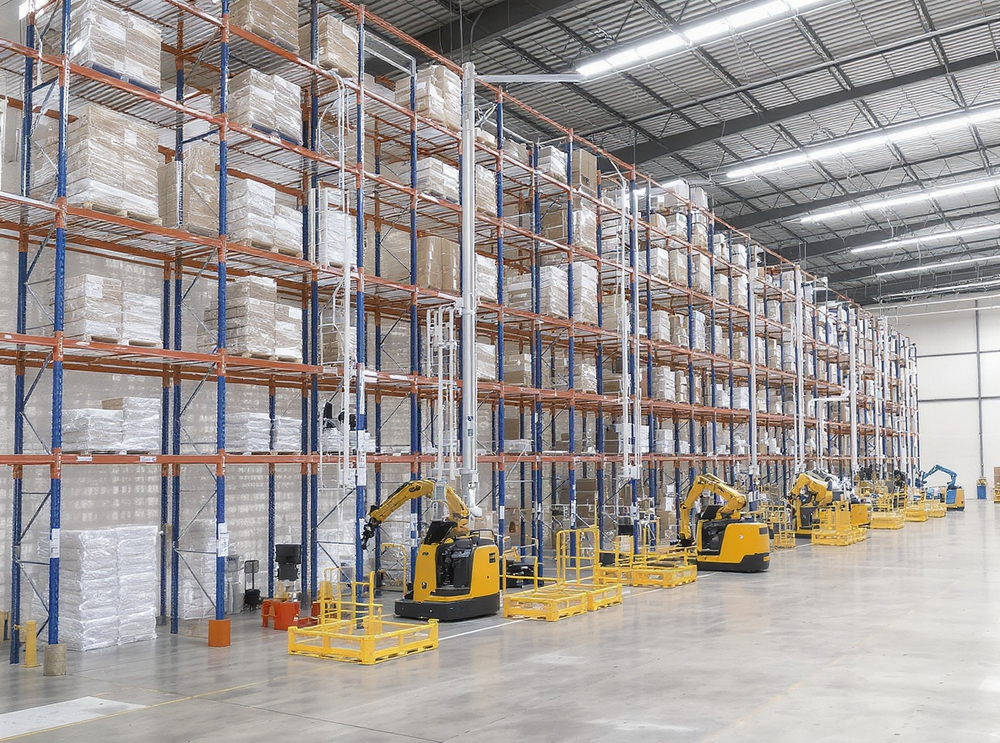
A key aspect of high-bay warehouses is their enormous potential for automation, which enables companies to significantly optimize their work processes. Thanks to advanced technologies, high-bay warehouses can be automated in various ways, which not only increases efficiency but also reduces the need for personnel. Modern systems enable precise and rapid storage, retrieval, and management of items. The use of automated storage and retrieval machines and conveyor chains maximizes space utilization by making optimal use of vertical space. This not only reduces the physical effort required for warehouse management but also significantly lowers the error rate by minimizing sources of human error.
In addition, automation can extend operating hours, as these systems can typically operate independently of human working hours, leading to greater flexibility. Nevertheless, it is important to find the right balance between automation and human interaction. While the integration of robotics and IT systems in high-bay warehouses offers numerous advantages, there are also challenges, such as high initial investment costs and the effort required for maintenance and upkeep. Last but not least, the technology’s adaptability to changing market demands is a key factor that companies must consider in order to respond flexibly to changes.
In practice, the potential of automation is particularly evident in applications such as just-in-time production, where the rapid and precise provision of materials and products is essential. Thus, automation in high-bay warehouses not only offers financial and operational advantages but is increasingly becoming a strategic advantage in inventory and logistics management.
Challenges and Requirements
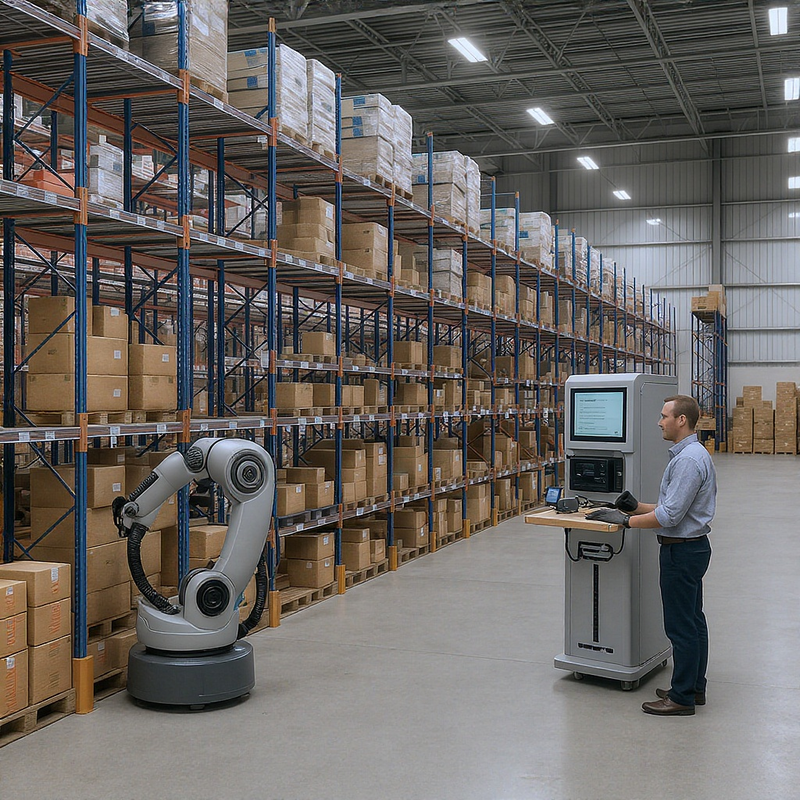
The challenges and requirements in the field of high-bay warehouses are multifaceted and reflect the complexity of modern logistics. A key challenge is the efficient use of available space to achieve maximum space efficiency. This requires well-thought-out planning and architecture of the warehouse structures. Furthermore, integrating automation capabilities is crucial for meeting the demands for speed and precision in logistics processes. Striking a balance between flexibility and rigid structures in warehouse layouts requires careful consideration to allow for adjustments in response to fluctuating cargo volumes. Real-world examples show that automated systems can offer significant efficiency gains, but they also require substantial investments in technology and staff training. Managing directors must ensure that the system implemented is equipped not only for current needs but also for future changes. Finally, legal and technical safety requirements must be strictly adhered to in order to ensure the safe operation of high-bay warehouses. Each of these aspects contributes to the complexity of this warehouse concept and demands well-coordinated, strategic decisions.
Benefits of Automation
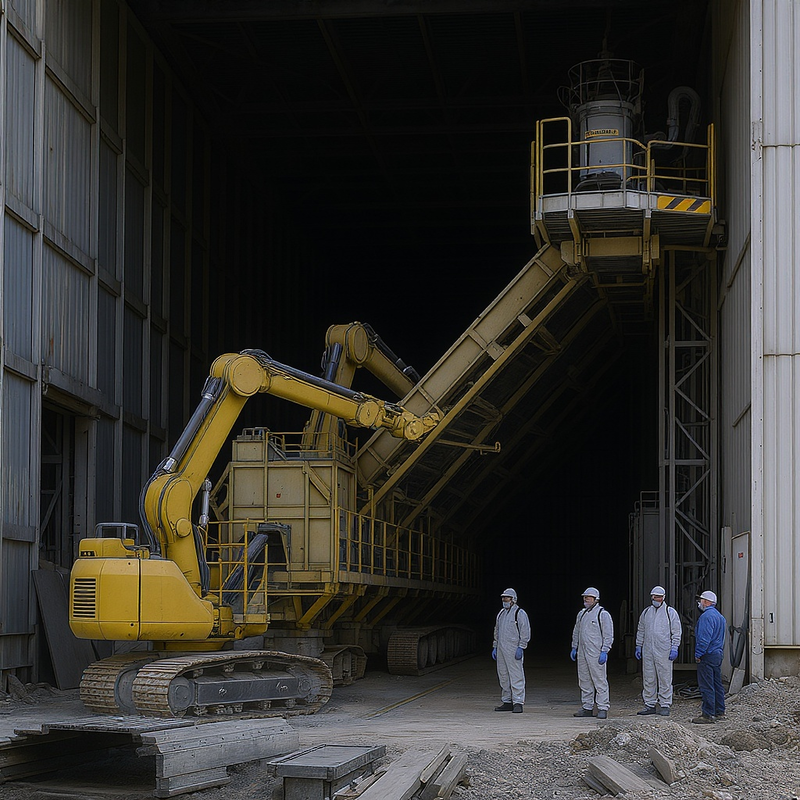
The automation of high-bay warehouses offers numerous advantages that significantly improve not only the efficiency but also the cost-effectiveness of logistics processes. A key aspect is space efficiency, as high-bay warehouses make optimal use of the vertical dimension and can thus maximize storage capacity without requiring additional horizontal space. These highly compact systems make it possible to make the best possible use of existing space. In addition, automated high-bay warehouses offer enormous potential for automation, which is realized through the use of automated storage and retrieval systems and conveyor technologies. This leads to a significant increase in warehouse performance and speed. The flexibility of automated high-tech warehouses is another advantage over rigid, traditional structures, as it allows for rapid adaptation to changing requirements. In practice, examples such as fully automated cold storage facilities or logistics centers that rely on modern software solutions demonstrate just how much processes can be optimized and errors minimized. The integration of state-of-the-art technology not only reduces the workload on employees but also enhances safety, making high-bay warehouses an attractive solution for forward-thinking companies.
Flexibility vs. Rigid Structures
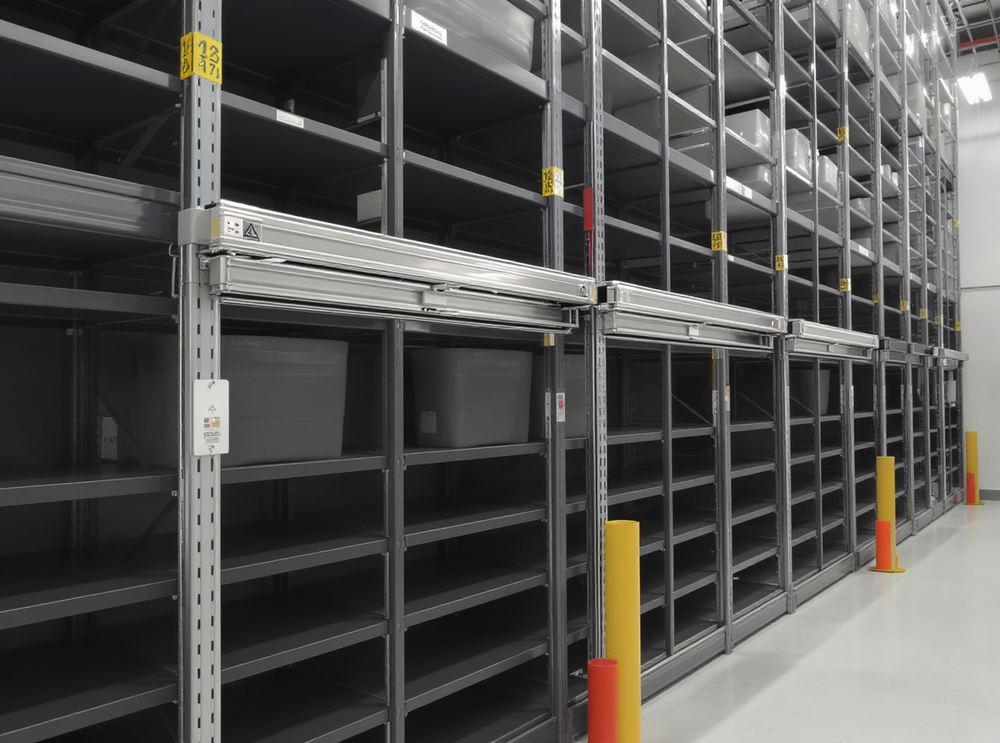
In modern warehousing, high-bay warehouses exemplify the tension between flexibility and rigid structures. With their automated approach, high-bay warehouses offer the potential to maximize space efficiency by utilizing the full height of the building. This system allows for the compact and efficient storage of large quantities of goods in a limited space, which is essential in many industries. The use of automated processes in high-bay warehouses can increase picking efficiency, reduce labor, and lower costs—an invaluable advantage in today’s economic climate.
However, this automation also has its downsides. Investing in a fully automated high-bay warehouse requires significant financial resources and careful planning. A major drawback is the often limited flexibility when it comes to making subsequent adjustments to the warehouse structure, which can pose challenges for companies as business conditions change. The implementation of rigid structures means that even the smallest changes to the layout or automation are a complicated process that incurs additional costs.
Another example: The conditions and safety regulations for high-bay warehouses are specific and strict, which can further complicate operations. While automation in high-bay warehouses can minimize potential operational disruptions, there is always the risk of system failures, which—without quick manual alternatives—can lead to significant downtime.
The pursuit of efficiency through high-bay warehouses therefore involves striking a balance between the increased efficiency offered by automation and the rigid structures that could limit adaptability. Consequently, companies should carefully evaluate their needs and capacities before implementing these systems and always consider long-term sustainability.
Renovation and Expansion Costs
The effort involved in remodeling and expanding a high-bay warehouse poses a significant challenge, especially when considering the balance between flexibility and rigid structures. Such warehouse systems are ideally suited for maximum space efficiency, make optimal use of existing vertical space, and offer extensive automation potential that boosts efficiency. However, expanding an existing high-bay warehouse proves to be complex and costly. The structure of a high-bay warehouse, which is usually tailored to specific requirements, often allows for only limited adjustments. This rigid structure makes it difficult to adapt to changing business needs. In addition, technical hurdles such as floor conditions or the load-bearing capacity for additional height can severely limit expansion options. Nevertheless, high-bay warehouses are able to offer unparalleled space utilization through their vertical integration—a level of efficiency that is difficult for other warehouse solutions to match. However, this efficiency can be compromised by flexibility constraints during modifications and modernizations, making careful and forward-looking planning essential.
Flexible Customization
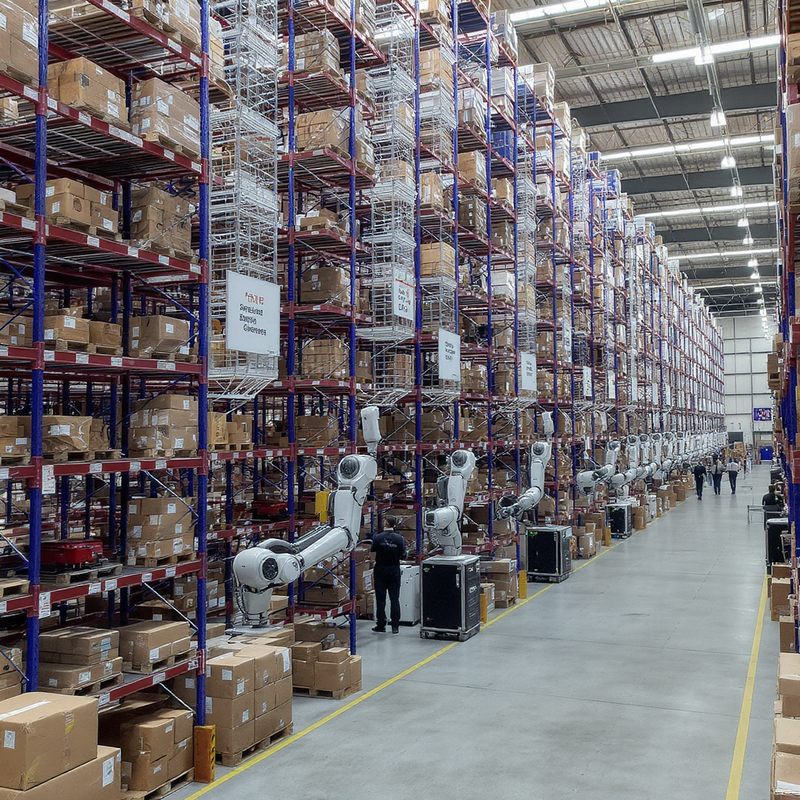
Flexible adaptation is a key advantage of high-bay warehouses, which are often the subject of debate in the context of the tension between flexibility and rigid structures. High-bay warehouses maximize space efficiency by utilizing vertical space and can be adapted to specific business requirements. Thanks to the ability to integrate automation capabilities, these warehouse structures can respond dynamically to changes in demand or product assortment. As a result, they offer a high degree of adaptability when changes occur in the stored goods or the scope of the warehouse. In practice, a targeted combination of manual and automated processes makes all the difference when it comes to overcoming both short-term and long-term logistical challenges. This flexibility enables companies to respond to seasonal peaks and manage capacity effectively, which is particularly advantageous in industries with a wide variety of products or varying turnover rates. Ultimately, the success of the implementation depends on well-thought-out planning that takes individual requirements and structural conditions into account in order to fully leverage the benefits of a high-bay warehouse.
Real-world examples
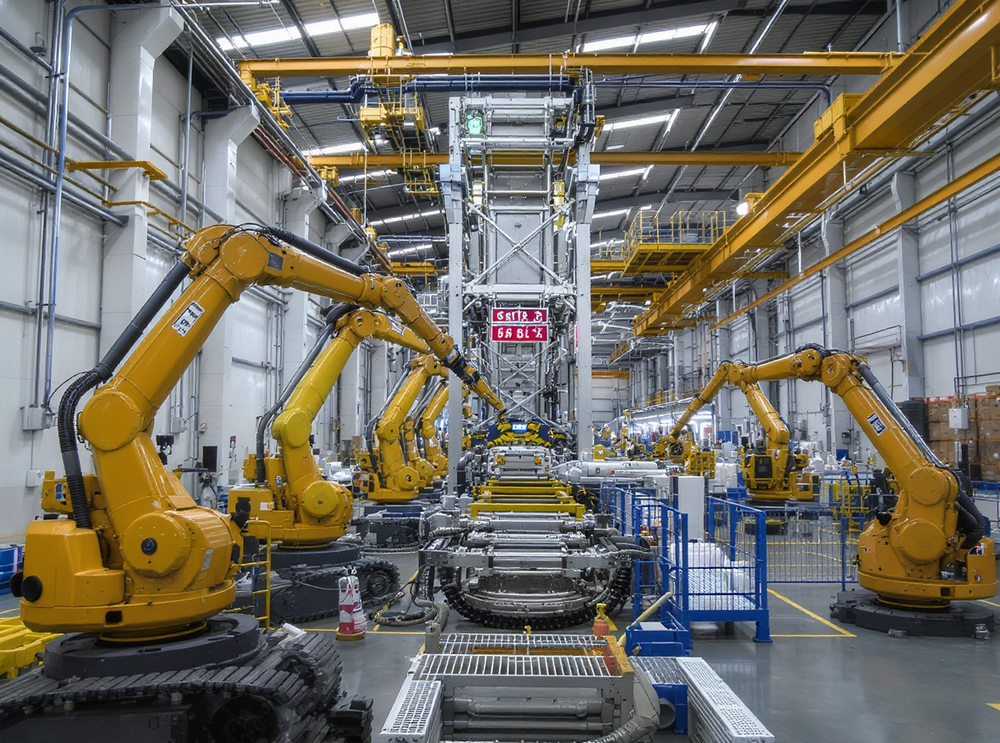
In the field of logistics, high-bay warehouses offer numerous real-world examples that illustrate the advantages and challenges of these storage systems. They are synonymous with space efficiency, as they make optimal use of the available space and maximize vertical storage capacity. One example of a successful high-bay warehouse is the fully automated system of a major retailer, which was able to significantly speed up warehouse management by integrating automation-supported processes. This automation potential makes it possible to carry out stock receipts and shipments efficiently, which can significantly reduce operating costs. In the automotive industry, a high-bay warehouse demonstrates how logistical challenges can be overcome: Here, just-in-time production is supported by suppliers storing large inventories in a confined space without losing access to individual components. However, it should be noted that such systems trade flexibility for rigid structures, as once installed, racking systems are costly and time-consuming to restructure. Despite the immense costs and long implementation times, high-bay warehouses offer considerable benefits in many areas of application and are an integral part of modern logistics concepts.
Practical Example: Manual/Semi-Automated Operation
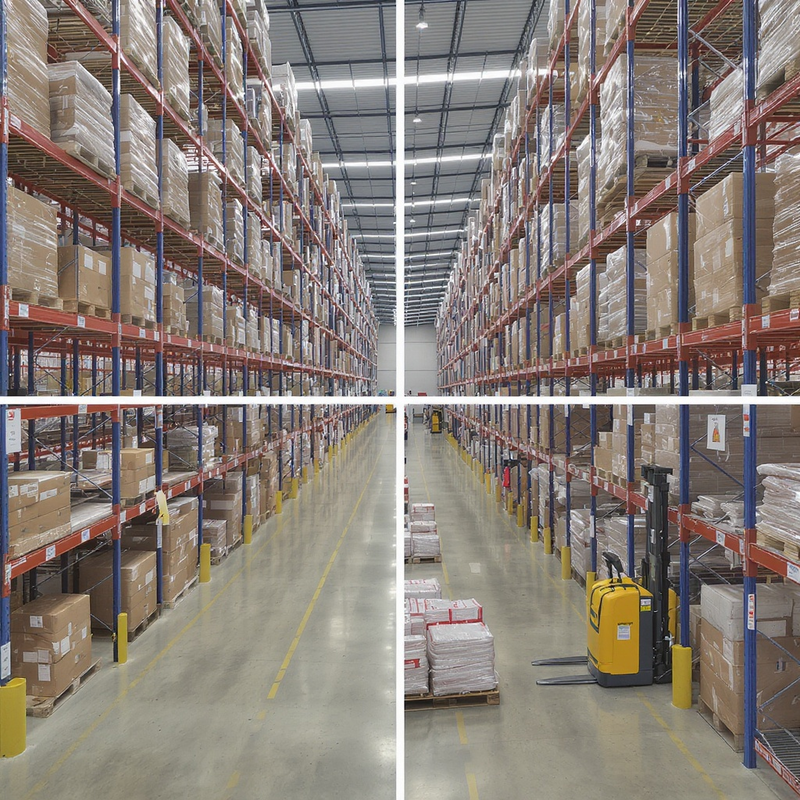
In practice, manual or semi-automated operation of a high-bay warehouse demonstrates how efficiently such a solution can be designed to optimize both space efficiency and flexibility. While manual operation relies on the use of personnel, the semi-automated approach combines manual interventions with automated processes, particularly to simplify transport between storage areas. Despite the advantages that automation brings—such as improved efficiency and optimized space utilization—costs are significantly reduced compared to fully automated systems. A real advantage becomes apparent when handling variable orders, as these systems retain a certain degree of flexibility compared to rigid, fully automated systems. Thus, solutions that combine efficient processes with high adaptability can be extremely effective, particularly in medium-sized warehouses with moderate inventory turnover. This combination of manual and automated techniques ensures that, despite the complexity of a high-bay warehouse, processes run optimally without having to bear the high investment costs of a fully automated system.
Case Study: Automated High-Bay Warehouse
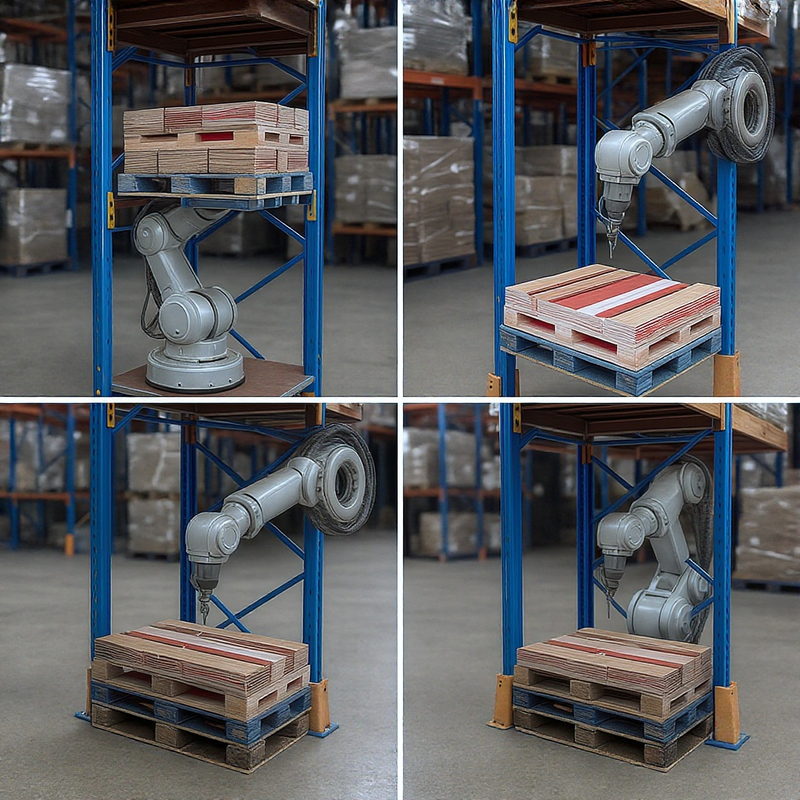
An automated high-bay warehouse provides an excellent real-world example of the efficient use of storage space. This type of warehouse is known for its space efficiency, as it allows for optimal utilization of vertical space. Companies benefit from the potential for automation, which not only reduces the workload but also improves the accuracy and speed of order picking. This type of warehouse design demonstrates how automated systems can accelerate work processes and minimize errors. This reduces the risk of accidents and enhances overall work quality as well as customer satisfaction. However, these advantages are accompanied by challenges. For instance, implementing an automated high-bay warehouse requires significant investment and precise planning with regard to logistics processes and technical requirements. The flexibility of an automated system is often lower compared to manual alternatives, as restructuring or expansions can be complex. Nevertheless, the integration of intelligent warehouse management software sets new standards in warehousing and ensures that the benefits of such a system usually outweigh the initial challenges and investment costs.
What role does stacker crane technology play in space utilization?
Stacker cranes are key components for space utilization in high-bay warehouses. They provide direct access to every storage location, eliminate the need for manual movement, and increase the density of the racking systems. Stacker cranes utilize conveyor technology, sensors, and WMS integration, which increases picking speed and reduces errors. However, the technology also determines costs, maintenance requirements, and structural specifications. Modern systems offer multi-stack capabilities, fast cycle times, and redundant safety concepts. Overall, RTS contribute significantly to efficiency, provide reliable availability, and support automation potential without compromising warehouse stability—provided that planning, training, and operational safety are ensured. They also enable just-in-time processes, reduce turnaround times, and improve inventory management transparency across diverse product lines worldwide.
What real-world examples demonstrate successful implementation?
Examples of successful implementations demonstrate how high-bay warehouses optimize space utilization and increase throughput. An electronics manufacturer implemented a semi-automated system with stacker cranes that doubled inventory per square meter. A fashion warehouse transitioned from manual to automated order picking, which sped up order fulfillment and reduced error rates. In the beverage industry, climate-controlled high-bay warehouse architecture helped ensure product shelf life. A logistics service provider used WMS integration to plan forecasts with precision. Real-world examples also demonstrate how training, maintenance, and safety protocols create stable operating conditions that improve space utilization and boost employee satisfaction. Such cases also illustrate that investment and organizational culture are crucial for ensuring that new processes are seamlessly integrated into existing workflows and that flexibility is maintained over the years.
How does flexibility versus rigid structures influence the choice of a high-bay warehouse?
Flexibility versus rigid structures is a key consideration in planning. With modular racking, multiple levels, and flexible conveyor routes, high-bay warehouses offer the potential to adapt to changing product assortments. At the same time, a high degree of automation, standardized processes, and clear interfaces require disciplined operations; otherwise, inefficiency is a risk. The choice depends on the product mix, throughput, and customer requirements. In situations with a highly fluctuating product range, modular, expandable systems are preferred. Stability and safety must not be compromised; therefore, thorough documentation, regular maintenance, and phased modernization are essential to maintain the balance between flexibility and performance. This necessitates a targeted selection of suitable automation components, compatible interfaces, and training programs for employees and management.
What does "potential for automation" mean in terms of costs?
Automation has the potential to reduce long-term operating costs through lower staffing requirements, lower error rates, and faster throughput. Initial investments remain high, but the payback occurs over several years through savings in labor costs, night shift premiums, and error prevention. Systems with scalable performance that can grow as demands increase are particularly relevant. With careful planning, automation pays off even at moderate turnover rates, whereas manual warehousing loses efficiency when handling high volumes. The ROI depends on the type of goods, turnover, downtime risks, and maintenance costs. Overall, the potential for automation represents an investment in space and process stability, reduced staff workload, and improved service quality. Key drivers remain reliability, maintainability, employee training, clear interfaces, and a suitable information system to support these efforts.
What real-world examples illustrate the benefits?
Real-world examples demonstrate how space efficiency and automation enable significant efficiency gains. At a large automotive supplier’s warehouse, pallet turnover increased significantly through vertical stacking and the use of automated storage and retrieval systems, while the floor space remained the same. An e-commerce company achieved higher storage density and faster order picking for varying order sizes with a semi-automated high-bay warehouse. In the food industry, a climate-controlled high-bay warehouse reduced waste through precise temperature control. Real-world evidence also demonstrates how integrated WMS and ERP systems create transparency, reduce errors, and flexibly adjust staffing levels to handle peak throughput. These examples illustrate that space utilization and automation go hand in hand. They also demonstrate how training, maintenance, and safety protocols create stable operating conditions that improve space utilization and increase employee satisfaction. Furthermore, they show how data-driven monitoring supports day-to-day decision-making.
How flexible are high-bay warehouses when it comes to product changes?
Flexibility is achieved primarily through modular racking systems, varying rack heights, and adaptable layouts. High-bay warehouses allow for the creation of new storage areas, the relocation of loads, or the restructuring of aisles even when utilization is low—all without having to replace the entire system. Automated systems support these adjustments through configurable stations, elevators, and flexible conveyor routes. However, complexity and planning efforts increase when product types change frequently or sizes vary significantly. A well-documented warehouse layout, clear guidelines, and timely software adjustments help maintain a balance between stability and adaptability, thereby optimizing space utilization and throughput. The costs of reconfigurations are lower when preceded by training and operating plans. This leads to a targeted selection of suitable automation components, compatible interfaces, and training programs for employees and management.
What automation opportunities do high-bay warehouses offer?
Automation potential in high-bay warehouses ranges from "pallet-to-person" systems to full-scale rack-handling machines (RBG) and automated conveyor systems. Conveyor technology, sorting, and warehouse management software enable precise inventory control, FIFO verification, and error prevention. With integrated WMS or ERP systems, throughput rates can be increased and personnel resources deployed more flexibly. Automated zones minimize walking distances and enable 24/7 operation, typically with a reduced error rate. At the same time, they open up opportunities for real-time transparency, maintenance and outage management, crisis resilience, and better scalability as throughput increases. However, these options require significant investment, qualified personnel, and robust IT security. Planning, testing phases, and phased implementation help prevent operational downtime and ensure a return on investment. Transparent key performance indicators provide crucial support from the very beginning.
How do high-rack warehouses improve space efficiency?
Thanks to their vertical design, high-bay warehouses make full use of the building’s entire volume, significantly reducing the footprint. Large rows of racks create narrow aisles where industrial trucks can access pallets without taking up valuable floor space. This structure increases storage density and reduces empty travel, as each rack is assigned a specific location. At the same time, the single-depth layout enables clear sorting by product type, batch, or FIFO strategy. Space efficiency is further improved by standardized designs, robust load capacities, and fewer scattered storage zones. Overall, capacity per square meter increases, while cycle and search times decrease. This allows for increased delivery capacity while keeping staffing levels stable and costs under control.
What trends can we expect to see for high-bay warehouses in the future?
Future trends will focus on further automation, artificial intelligence, edge computing, predictive maintenance, and connected systems. Taller towers, more levels, and modular construction methods enable even denser warehouse layouts. Robotics, autonomous vehicles, robotic arms, and collaborative robots increase throughput and safety. Cloud-based WMS and ERP solutions support global supply chains, while digital twins improve planning, simulations, and risk management. Sustainability drives energy management, cooling, and recycling programs. Overall, high-bay warehouse architecture is becoming more deeply integrated into IT infrastructure to increase transparency, scalability, and resilience. Investments are becoming smarter, employees are continuously upgrading their skills, and standardized interfaces facilitate data exchange. Fine-tuning of processes, safety, and quality follows to ensure companies remain globally competitive.
How does maintenance affect the operation of a high-bay warehouse?
Maintenance affects the system’s availability, safety, and service life. Regular inspections of stacker cranes, conveyor systems, and safety devices prevent breakdowns. Proactive maintenance reduces unplanned downtime, minimizes follow-up costs, and improves predictability. In high-bay warehouses, complex systems are particularly susceptible to wear and tear, which is why condition monitoring, spare parts inventory, and service partner strategies are essential. Maintenance contracts ensure predictable costs and a rapid response to malfunctions. Investing in maintenance pays off through stable throughput times, a high level of service, and improved overall system performance—especially when automation, maximum rack height, and tightly integrated processes are combined. Additional measures include training in fault diagnosis, backup systems, and clear escalation procedures to ensure that operations remain stable and continue even in the event of partial malfunctions.
What are the typical costs associated with high-rack warehouses?
Costs are incurred in construction, material handling systems, shelving, building cabling, security systems, and the integration of WMS/ERP systems. Initial investments are high, especially with full automation. Ongoing costs include maintenance, energy, TÜV inspections, and maintenance of conveyor systems. Additional costs may arise for training, software licenses, and upgrades. Calculations should take TCO (Total Cost of Ownership) into account, including the risk of failure and potential downtime. Although high initial expenses may seem daunting at first, modern systems improve overall profitability through efficiency, error reduction, and better capacity utilization. Thorough planning links operating costs to sales performance and service levels. Consider financing options, leasing instead of purchasing, residual value, and depreciation to facilitate the investment decision. Maintenance contracts, energy-efficiency savings, and training budgets also collectively enhance the cost-benefit ratio and profitability.
How can warehouse management software (WMS/ERP) affect efficiency?
A powerful WMS/ERP interface converts raw data into actionable information. It manages inventory control, reorder points, picking processes, and transport routes, thereby reducing wait times. Digital representations of warehouse logistics enable smooth operations, transparency, and better planning. Automated notifications, variance analyses, and warehouse metrics support proactive corrections. Integration with ERP simplifies order and delivery planning, reduces bottlenecks, and improves customer satisfaction. In high-bay warehouses, software-specific optimization of access times, routes, and batch sizes ensures stable capacity utilization, even with growing throughput volumes or seasonal fluctuations. In addition, updates should be implemented promptly, interface maintenance should be predictable, and data integrity should be guaranteed at all times to prevent poor decision-making. Employee training facilitates acceptance, while redundancies minimize risks in day-to-day operations.
What types of high-rack warehouses are there?
There are manual, semi-automated, and fully automated high-bay warehouses, each with different order-picking and conveyor systems. Manual systems rely on human operators and forklifts, making them ideal for small- to medium-volume operations. Semi-automated warehouses combine manual processes with automated transport routes, increasing efficiency while remaining cost-effective. Fully automated high-bay warehouses use stacker cranes, sensor technology, WMS, and ERP integration, and offer the highest throughput rates for large volumes. Other variants include silo-style designs, heavy-duty warehouses, and cold storage and hazardous materials warehouses. The choice depends on the type of goods, throughput, available space, and investment budget. Additional options include elevator solutions, multi-level systems, modular construction, and specialized conveyor technology. Consultations help define the appropriate size, budget, and operational concepts. Thorough planning ensures a return on investment and flexibility for years to come.
How effective is an air-conditioned high-bay warehouse for meeting temperature requirements?
For temperature-sensitive goods, climate-controlled high-bay warehouses offer advantages by ensuring a consistent environment. The vertical storage layout is maintained while temperature zones are controlled. Automated systems regulate cooling or heating, reduce temperature shocks, and improve product quality. However, climate and energy management increase operating costs. The decision depends on the product category, shelf-life requirements, and turnover rate. In many cases, the investment is worthwhile when frost or heat resistance is critical and high storage costs per square meter are a concern. Overall, targeted climate control allows for a better balance between space efficiency, automation potential, and quality. Additional benefits include fewer temperature fluctuations, a lower scrap rate, and a more stable supply chain. These effects significantly improve customer satisfaction in the long term.
How do safety regulations affect the design of high-bay warehouses?
Safety regulations play a key role in the construction, operation, and maintenance of high-rack warehouses. Taller racks require comprehensive fall protection, safety glass, and emergency response plans, as well as certified fire protection and suppression systems. In many cases, sensor technology and redundant emergency power supplies ensure continued operation even in the event of a failure. Legal requirements also influence work routes, escape routes, and lighting. Training, clear safety instructions, regular maintenance, and regular audits ensure compliance with regulations. Although safety measures incur costs, a well-implemented safety concept has a positive impact on reliability, employee protection, and thus, indirectly, on efficiency. In addition, preventive measures minimize downtime, reduce insurance costs, and mitigate legal risks. A clear division of roles, checklists, and regular drills strengthen safety awareness and promote long-term process stability.
What role does stacker crane technology play in space utilization?
Stacker cranes are key components for space utilization in high-bay warehouses. They provide direct access to every storage location, eliminate the need for manual movement, and increase the density of the racking systems. Stacker cranes utilize conveyor technology, sensors, and WMS integration, which increases picking speed and reduces errors. However, the technology also determines costs, maintenance requirements, and structural specifications. Modern systems offer multi-stack capabilities, fast cycle times, and redundant safety concepts. Overall, RTS significantly contribute to efficiency, provide reliable availability, and support automation potential without compromising warehouse stability—provided that planning, training, and operational safety are ensured. They also enable just-in-time processes, reduce turnaround times, and improve inventory management transparency across diverse product lines worldwide.